

 By Zobia Zulfqar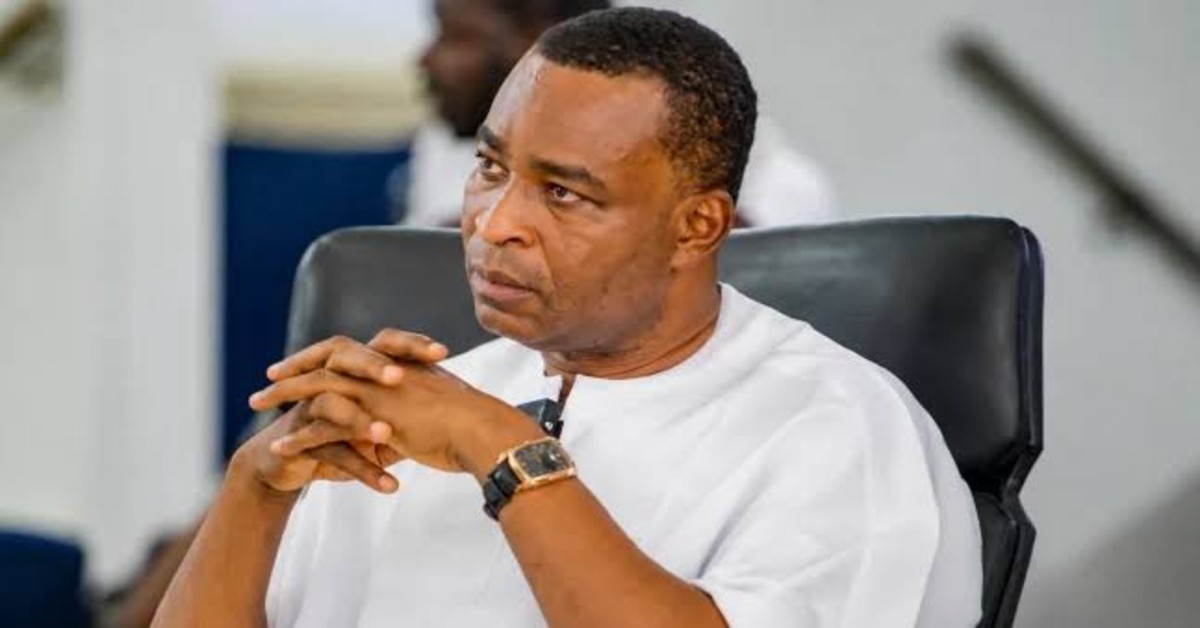
The conviction of Bernard Antwi Boasiako, widely known as Chairman Wontumi, has been welcomed by environmental advocates as a major step in Ghana’s fight against illegal mining, also known as galamsey. Activists say the High Court’s decision shows that no one is above the law and could strengthen efforts to protect the country’s forests and rivers from illegal mining activities. I’m
Chairman Wontumi, the Ashanti Regional Chairman of the New Patriotic Party (NPP), was sentenced to 20 years in prison after the High Court found him guilty of illegally assigning mineral rights and facilitating an unlicensed mining operation on the Samreboi mining concession.
The case attracted nationwide attention throughout its year long trial because of Wontumi’s political influence and the growing national concern over the destruction caused by illegal mining.
The court found that Wontumi allowed two individuals, Michael Gyedu Ayisi and Henry Okum, to carry out mining activities on land belonging to his company, Akonta Mining Limited, without obtaining approval from the Minister for Lands and Natural Resources as required by law.
Justice Audrey Kocuvie Tay ruled that the prosecution had successfully proved the charges beyond reasonable doubt after reviewing evidence presented during the trial.
In addition to the prison sentence, Wontumi was fined GH¢120,000 for each offence. If he fails to pay the fines, he will serve an additional three years in prison. However, the prison terms and fines will run concurrently, meaning he will serve a total of 20 years behind bars.
Akonta Mining Limited was also found guilty and fined GH¢180,000 on each count relating to the unlawful assignment of mining rights and facilitating illegal mining activities.
Another accused person, Kwame Antwi, a director of Akonta Mining Limited, remains on the run. He faces similar charges connected to the mining operation and is being sought by authorities.
The prosecution was led by Deputy Attorney General Dr Justice Srem Sai, while Wontumi was initially represented during the trial by lawyer Andy Appiah Kubi.
Environmental campaigners described the judgment as an important victory for Ghana’s natural resources. They believe the ruling demonstrates that environmental laws can be enforced regardless of a person’s political position or social influence.
For years, illegal mining has caused severe environmental damage across Ghana. Forest reserves have been destroyed, rivers polluted, and farmland left unsuitable for agriculture because of uncontrolled mining activities.
Many environmental groups have repeatedly called on the government to prosecute influential individuals involved in illegal mining rather than focusing only on small scale operators.
They argue that successful prosecutions against powerful figures could discourage others from breaking mining laws and help restore public confidence in the country’s justice system.
The conviction comes at a time when the government continues to strengthen efforts to reduce illegal mining through stricter enforcement, improved monitoring, and legal reforms.
Authorities have increased operations against illegal miners while introducing new policies aimed at protecting forest reserves and water bodies from further destruction.
Environmental organisations believe stronger enforcement of mining regulations is essential to preserving Ghana’s natural resources for future generations.
Many communities across the country have experienced the effects of illegal mining, including polluted rivers that once supplied drinking water, damaged farmlands, and declining fish populations.
The destruction has also increased the cost of treating water for public consumption, placing additional pressure on state resources.
Legal experts say the Wontumi case highlights the importance of following the Minerals and Mining Act, which requires companies to obtain ministerial approval before transferring mining rights or allowing other parties to operate on licensed concessions.
The court found that these legal requirements were not followed in the Samreboi mining operation.
Observers believe the case may influence future mining enforcement actions and encourage mining companies to comply more closely with Ghana’s mining laws.
The judgment also sends a clear message that violations of environmental and mining regulations can result in severe legal consequences.
As Ghana continues its campaign against illegal mining, environmental advocates hope the conviction will mark a turning point in protecting the country’s forests, rivers, and communities from the long term effects of unlawful mining activities.
They say consistent enforcement of the law, regardless of political status or financial influence, will be necessary if Ghana is to achieve lasting success in its fight against galamsey and safeguard its natural environment for future generations.