

 By Aaron Hammond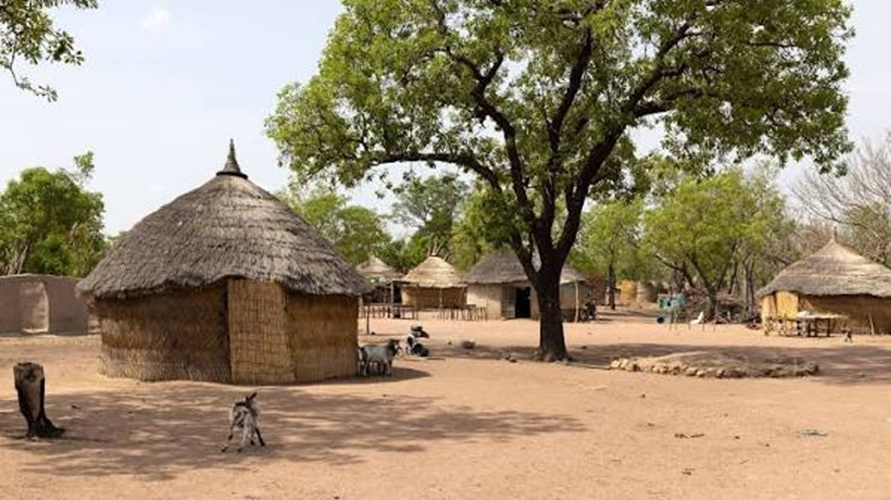
When people talk about the history of Ghana, many forget that the current regional imbalances did not happen by mistake.
Historical records show that British colonial masters intentionally designed policies to keep northern Ghana underdeveloped.
Historians call this calculated strategy the labour reserve policy, which treated human beings like tools for extraction.
The grand plan was simple and wicked, meaning they kept the North uneducated and deprived of major industries.
By doing this, able-bodied men had no choice but to pack their bags and travel south for survival.
They needed cheap labor to dig gold mines and clear heavy cocoa farms without spending money on local development.
Governance back then was never about bringing prosperity to the people of the Northern Territories.
It was strictly about administrative stability and squeezing out maximum economic value for overseas masters.
Schools were restricted because an educated population would start asking difficult questions about freedom and fair wages.
Roads and railways were built only to haul raw materials down to the coast, completely bypassing northern towns.
Every single action taken by the administration ensured that the North remained a perpetual backyard supplier of muscle power.
When agricultural potential was shut down
Many citizens do not know that northern Ghana actually showed massive potential for commercial cotton farming during the early era.
The soil and climate were ready to produce massive wealth, which could have transformed local communities into vibrant commercial hubs.
However, colonial administrators quickly shut down those agricultural projects after running them for only a few short years.
The shutdown happened not because the empire lacked use for cotton, but because they needed those strong hands elsewhere.
If northern men became successful farmers on their own soil, who would go down south to work the mines?
This economic sabotage ensured that local enterprise was suffocated before it even had a chance to breathe.
Families were forced into subsistence farming that barely survived seasonal dry spells, creating cycles of poverty.
When you choke a region’s ability to generate independent wealth, you create a dependency that lasts for generations.
That was the exact blueprint handed over to local politicians when the Gold Coast finally transformed into independent Ghana.
The system was rigged from day one, leaving deep scars that ordinary citizens can still feel in their daily struggles today.
Ghana at seventy years of independence
Fast forward to modern times, and Ghana has proudly celebrated over six decades of throwing away colonial rule.
Yet, scholars, youth activists, and concerned citizens are asking a very painful question across radio stations and social media.
People want to know whether the current governance structure is still operating on colonial autopilot or if it is a choice.
Even though native leaders took over the seat of power, the central planning models have barely changed for the better.
Budgets still favor urban centralization, leaving northern regions struggling with basic infrastructure, quality healthcare, and modern jobs.
Whenever youth from the Savannah, Upper East, and Upper West regions migrate down south for head porterage, it hurts.
It reminds everyone that the old migration patterns engineered by white administrators are still active in a free republic.
We cannot keep blaming white colonial masters forever when local leaders now hold the national budget and pen.
True independence means dismantling systems that treat certain parts of the country as mere reservoirs of cheap labor.
Until leaders prioritize equal regional industrialization, the ghost of colonial economic planning will continue to haunt our democracy.
Moving past the ghosts of yesterday
Breaking away from this historical trap requires bold leadership, massive infrastructural investment, and deliberate economic decentralization.
Government policies must stop treating the northern sector as an afterthought that only matters during political election campaigns.
Factories, irrigation dams, and tech hubs must rise in Tamale, Bolgatanga, Wa, and beyond to create sustainable local employment.
When young people find well-paying jobs right at home, nobody will risk their lives crossing hazardous routes for survival.
Ghana has enough brains and resources to rewrite this painful narrative and build a truly balanced national economy for all.
The choice is now clearly before our current crop of leaders to either maintain the status quo or innovate.
Seventy years of self-governance is enough time to fix structural inequalities and honor the resilience of our forebears.
Let us demand accountability from authority figures and ensure that development reaches every corner of our dear motherland.
Ghana can only rise to its full potential when every region contributes from a position of strength and dignity.
History may have planted the seeds of inequality, but contemporary Ghanaians possess the power to uproot them completely.
Also Read: The Rise and Fall of J.K. Siaw: How Ghana’s Industrial Pioneer Lost Everything
Source: Ghana News Page