

 By Aaron Hammond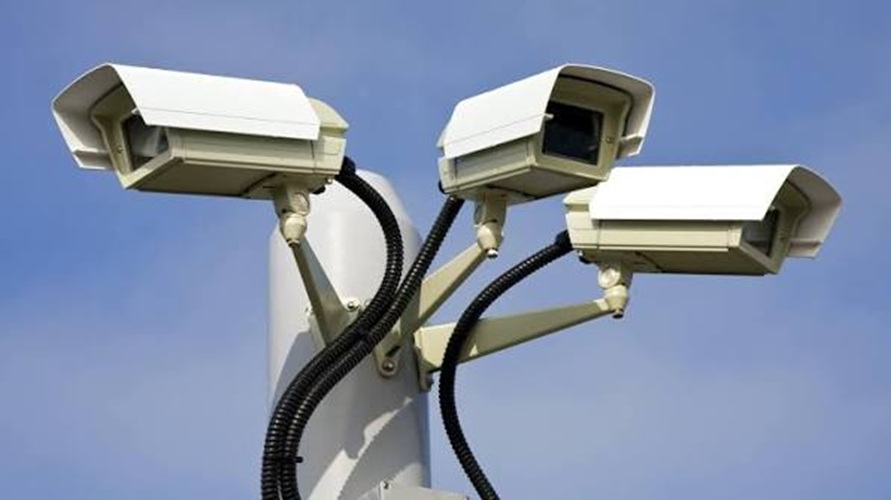
Ghanaian drivers have a new reason to take road rules seriously. TRAFFITECH GH will begin full implementation on October 1, 2026. The Ghana Police Service will use cameras and other technology to detect traffic offences on selected roads and intersections.
The system will support the Motor Traffic and Transport Department in enforcing Ghana’s new road traffic rules. It comes under the Road Traffic Regulations, 2026 (L.I. 2519) and the Road Traffic Amendment Act, 2025 (Act 1153). The Ministry of Transport says the new rules aim to improve road safety and strengthen traffic law enforcement.
23 traffic offences drivers should know
The new rules cover several offences involving drivers, passengers, pedestrians and commercial transport operators. Here are 23 offences motorists should take seriously.
- Using a mobile phone while driving: Up to GH¢600 and possible imprisonment of up to three months.
- Drink or drug driving: Between GH¢600 and GH¢2,400, with possible imprisonment of up to 40 months.
- Jumping a red light: Between GH¢120 and GH¢360, with possible imprisonment of up to 30 days.
- Failing to stop or yield: Between GH¢120 and GH¢360, with possible imprisonment of up to 30 days.
- Street or drag racing: Between GH¢120 and GH¢300, with possible imprisonment of up to 30 days.
- Speeding: Between GH¢120 and GH¢300, with possible imprisonment of up to 30 days.
- Railway crossing violations: Between GH¢60 and GH¢300, with possible imprisonment of up to 30 days.
- Overtaking at a pedestrian crossing: Between GH¢120 and GH¢300, with possible imprisonment of up to 30 days.
- Disobeying a traffic officer or traffic device: Between GH¢120 and GH¢300, with possible imprisonment of up to 30 days.
- Unauthorised use of a bus stop or taxi rank: Between GH¢120 and GH¢300, with possible imprisonment of up to 30 days.
- Parking in a disability bay: Up to GH¢300, with possible imprisonment of up to eight months.
- Traffic offences involving processions or funerals: Between GH¢120 and GH¢300, with possible imprisonment of up to 30 days.
- Bus or taxi parking in the wrong place: Between GH¢120 and GH¢300, with possible imprisonment of up to 30 days.
- Failure to provide required disability facilities on public transport: Between GH¢120 and GH¢300, with possible imprisonment of up to 30 days.
- Improper or double parking: Between GH¢120 and GH¢300, with possible imprisonment of up to 30 days.
- Operating a television monitor while driving: Up to GH¢300, with possible imprisonment of up to 30 days.
- Unauthorised Okada or Aboboyaa operation: Penalties can apply to both operators and riders, depending on the offence.
- Overcharging passengers: Between GH¢120 and GH¢300, with possible imprisonment of up to 30 days.
- Boarding or alighting at the wrong place: Up to GH¢60, with possible imprisonment of up to seven days.
- Jaywalking or refusing to use a footbridge where required: Up to GH¢60, with possible imprisonment of up to seven days.
- Preaching or hawking in a moving trotro or bus: Between GH¢120 and GH¢600, with possible imprisonment.
- Selling goods on a road or walkway: Up to GH¢600, with possible imprisonment of up to three months.
- Washing or repairing a vehicle on the road: Up to GH¢300, with possible imprisonment of up to 30 days.
The penalties depend on the specific offence and the applicable provisions of the new regulations. The Ministry of Transport says the 2026 regulations introduce stronger enforcement measures, including automated traffic enforcement, a demerit point system and tougher penalties for serious offences.
How TRAFFITECH GH cameras will work
This is where things get more serious for motorists.
TRAFFITECH GH uses cameras and sensors to capture vehicles that break traffic laws. The Ghana Police Service says the system can detect offences such as speeding and running a red light.
However, the camera does not simply issue a fine without checks. The detected offence goes through a review process before an Electronic Notice of Violation, or ENV, is issued.
The notice will contain important information about the offence. This includes the vehicle registration number, location, date, time, offence description, payment amount and payment deadline.
The Police Service says the ENV will be sent by SMS through the official GPS MTTD sender ID. Drivers should therefore be careful with suspicious messages pretending to be traffic notices.
What happens after repeated offences?
The automated enforcement system also has a graduated penalty structure.
The first, second and third automated offences attract GH¢120 each. The fourth offence attracts GH¢180, while the fifth offence attracts GH¢240.
A sixth offence within 24 months can have more serious consequences. The matter can go to court, and the driver’s licence may be suspended or revoked for at least 12 months. Retraining and retesting may also apply.
This means repeated traffic offences could become more costly than a single fine. Drivers who regularly ignore traffic rules may therefore face additional consequences under the new system.
The car owner may receive the notice
There is another part of TRAFFITECH GH that vehicle owners should understand.
If somebody else is driving your vehicle when a camera records an offence, the Electronic Notice of Violation can still go to the registered owner of the vehicle.
The Ghana Police Service says the registered owner remains liable regardless of who was driving. This also means that people who sell vehicles should make sure the ownership information is properly updated with the DVLA.
So, when your friend says, “Boss, lend me the car small,” remember that the camera does not know your friend. It identifies the vehicle.
How to check or challenge a traffic fine
Motorists who receive an Electronic Notice of Violation should first review the information before making any payment.
The Ghana Police Service says motorists can review the evidence using the ticket number through the official government platform. A person who disagrees with the notice can also contest it online within 14 days of the date the notice was issued.
Drivers can also check outstanding traffic fines by dialling *220#. The Police Service says fines can be paid through the official government payment platform or the approved mobile money and card options.
There is also a financial reason not to ignore a traffic notice. According to the Ghana Police Service, a 1% late payment penalty is added to the original fine for each day of default after the 14 day payment period.
With full TRAFFITECH GH enforcement starting on October 1, Ghanaian motorists have a short window to understand the new rules. The Ghana Police Service completed nationwide training ahead of the rollout, including training on automated offences, fines and the process for contesting violations.
The simple message is this: drive carefully, obey traffic signs and keep your vehicle records updated. From October 1, 2026, technology will play a much bigger role in traffic enforcement across Ghana.
Also Read: DVLA Unveils Smart RFID Plates To Stop Car Theft
Source: Ghana News Page
Source: Ghana Polic