

 By Emmanuel Bamfo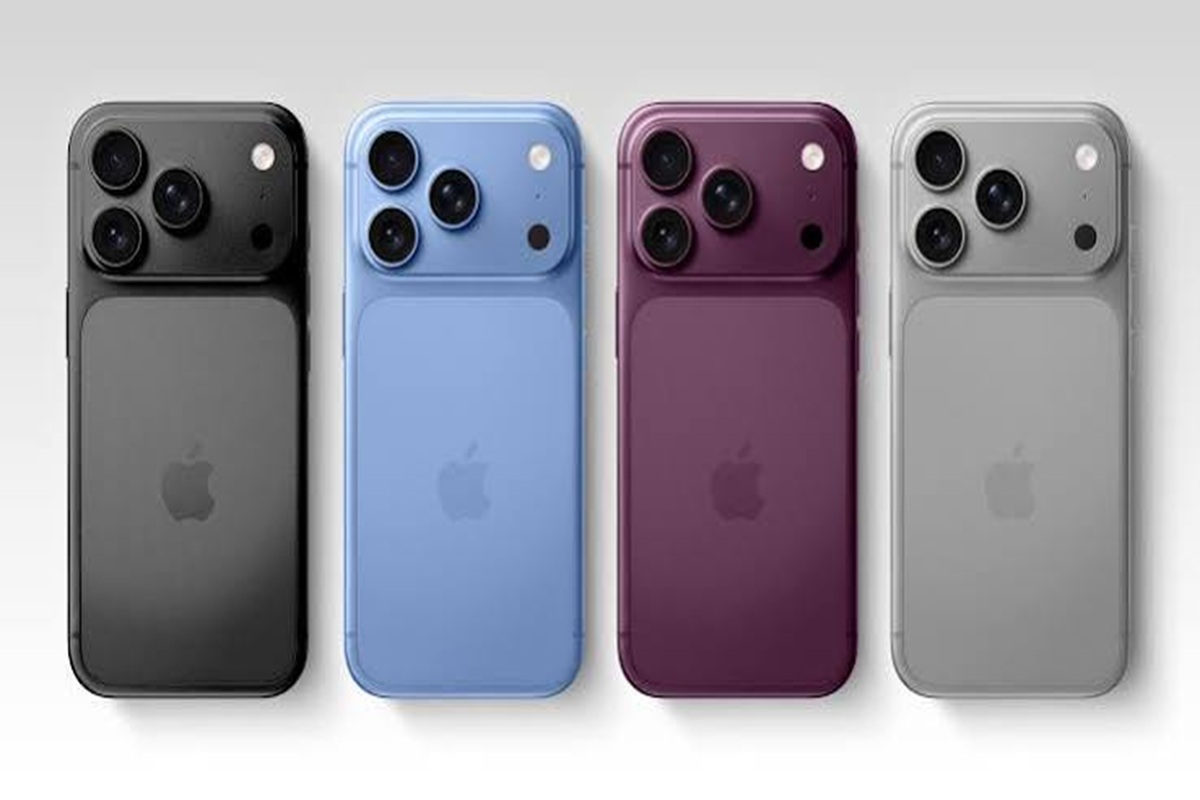
Apple is shifting its release calendar to manage component supply chains and highlight its most expensive hardware. Global chip shortages and higher memory prices have forced tech companies to rethink how they manufacture and launch new products. Spreading out the timeline gives suppliers breathing room to produce advanced processors without hitting major bottlenecks.
The decision allows Apple to give undivided attention to its high-end innovations during the competitive holiday season. In previous years, base models sometimes overshadowed the minor upgrades on Pro versions. By putting months between the launches, each smartphone tier gets its own dedicated marketing window.
Mobile market analysts from Statista note that premium smartphones now account for over 55% of global flagship revenues, making high-end prioritization a smart business move. Consumers who want the latest tech are generally willing to spend more when a device launches. Meanwhile, budget-conscious buyers get time to plan their purchases for early next year.
Which models are coming in Fall 2026?
The iPhone 18 Pro, iPhone 18 Pro Max, and the highly anticipated foldable iPhone are scheduled to arrive in September 2026. These three premium devices will showcase Apple’s absolute best engineering and newest internal hardware.
The Pro series is expected to feature TSMC’s 2-nanometer A20 Pro chip, offering massive gains in processing power and battery efficiency. Camera upgrades include a variable-aperture 48-megapixel main camera sensor, allowing photographers to control depth of field naturally. The Pro Max model may also receive a slightly thicker build to house a larger battery pack.
Apple’s first foldable device, tentatively called the iPhone Fold or iPhone Ultra, will share the September stage. Reports show it features a 5.5-inch outer cover screen and opens up into a massive 7.8-inch inner display. To maintain an ultra-slim profile when closed, Apple is replacing Face ID on the fold with a side-mounted Touch ID sensor built right into the power button.
Why do standard iPhone fans have to wait until 2027?
Buyers who prefer the standard iPhone 18, the entry-level iPhone 18e, or the sleek iPhone Air 2 will have to wait until Spring 2027. Apple wants to reserve its base lineup for a March or April release window.
Holding back the standard editions allows Apple to cut down on initial component costs and manage factory capacity better. The standard iPhone 18 and 18e are rumored to run on 9GB of RAM and the standard A20 chip. This split keeps manufacturing lines focused purely on the complicated Pro and Fold hardware during the summer peak.
Waiting until spring also creates a secondary sales wave for Apple midway through its fiscal year. It gives the company a fresh product push right when competitor Android brands usually reveal their spring flagships. For buyers in Ghana and around the world, this means your reliable current phone will need to hold on for a few extra months.
Will the new iPhone 18 series cost more money?
Rising production costs and hardware upgrades mean higher retail prices across the entire iPhone 18 family. Supply chain reports confirm that memory chip prices have jumped significantly due to global artificial intelligence demand.
The iPhone 18 Pro is estimated to start between $1,299 and $1,399, representing a noticeable price bump over older generations. The larger iPhone 18 Pro Max could easily hit $1,449 to $1,499 for base storage options. The new book-style foldable model is projected to sit in luxury territory, with estimates stretching up to $2,000.
Standard models coming in 2027 will remain the most affordable route into the new generation. The base iPhone 18 is expected to hover around $799, making it a solid target for practical upgrade seekers. However, local import taxes and regional currency shifts will likely push final retail prices higher in international markets.
What major internal upgrades are coming to the Pro models?
The Pro lineup is getting serious internal performance upgrades centered around speed, connectivity, and camera technology. These improvements target power users who depend on their mobile devices for heavy workloads and creative tasks.
Here are the key technical upgrades expected in the Pro series:
- Next-Gen A20 Pro Chip: Built using TSMC’s cutting-edge 2-nanometer architecture for maximum speed and energy savings.
- Increased System Memory: Equipped with 12GB of RAM to handle advanced AI tasks and complex background processing seamlessly.
- In-House C2 Cellular Modem: Replaces third-party modems with Apple’s custom silicon for faster 5G speeds and improved power management.
- Variable Aperture Camera: Main 48-megapixel camera adjusts aperture size dynamically for better low-light photography and natural background blur.
- Brighter LTPO+ Display: Provides improved outdoor visibility while consuming less battery during active screen time.
Is Apple Intelligence driving these structural changes?
On-device artificial intelligence requires substantial system memory and processor capability to run smoothly. Apple is aligning its hardware releases with software updates in iOS 27 to support heavy local AI models.
Advanced features like custom expressive Siri voices and real-time voice dictation require at least 12GB of RAM to function without lag. Because standard models may only feature 9GB of RAM, certain complex AI tools will remain exclusive to the Pro and Fold devices. This hardware boundary gives Apple another strong reason to separate the release dates and target audiences.
Data from tech research firm Gartner shows that AI-capable smartphones will make up over 70% of total mobile shipments by the end of 2027. Apple is building its entire hardware strategy around this transition. Pushing standard models to spring gives developers time to refine lighter AI algorithms for devices with lower memory capacity.
Should you buy an iPhone 17 or wait for the 18?
Deciding whether to buy now or wait comes down to your budget and how urgently you need a phone. If your current phone is broken or struggling to hold a charge, waiting until early 2027 for a standard model might be impractical.
The current iPhone 17 lineup remains a powerful choice that handles daily tasks, high-quality video, and modern apps with ease. Buying an existing model means getting immediate access to proven performance without paying elevated launch prices. You also avoid the early adoption bugs that sometimes affect brand-new hardware designs.
However, if you want groundbreaking features like the foldable display, variable aperture cameras, or the A20 Pro chip, waiting for the fall release is the right move. Holding onto your cash now gives you time to plan for the higher price tags arriving later this year.
What does the full iPhone 18 release schedule look like?
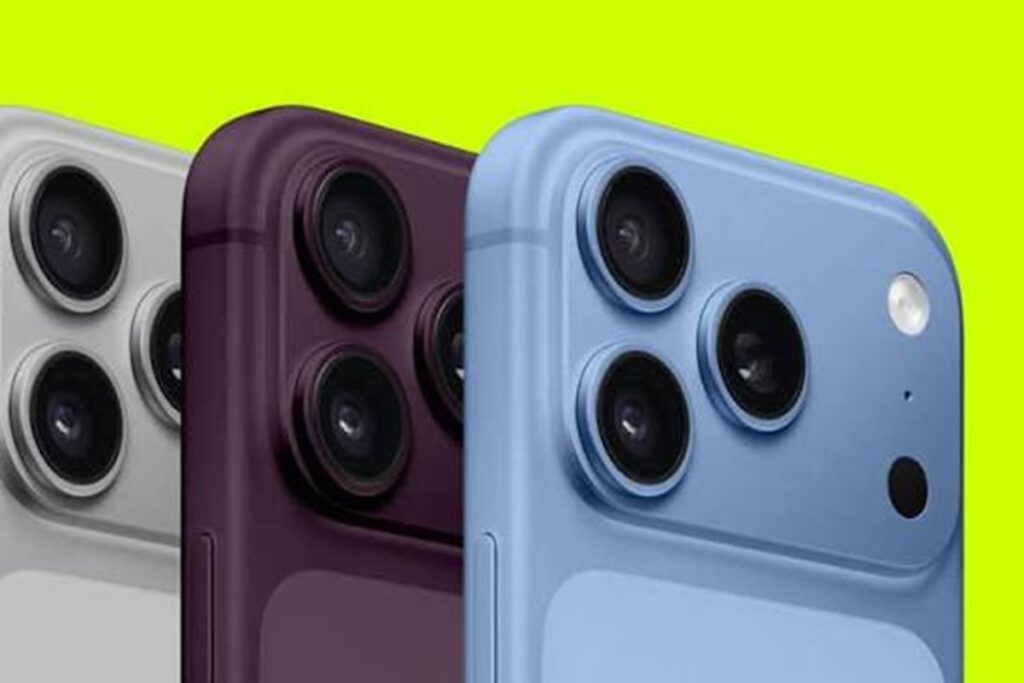
To help you track the rollout easily, here is a breakdown of the expected model releases and their projected launch windows:
| Model Tier | Expected Release Window | Key Highlight Features | Estimated Starting Price |
| iPhone 18 Pro | September 2026 | A20 Pro Chip, 12GB RAM, Variable Aperture | $1,299 – $1,399 |
| iPhone 18 Pro Max | September 2026 | Larger Battery, LTPO+ Screen, A20 Pro | $1,449 – $1,499 |
| iPhone Fold / Ultra | September 2026 | 7.8-inch Inner Screen, Side Touch ID | $1,800 – $2,000 |
| iPhone 18 (Standard) | Spring 2027 | Base A20 Chip, 9GB RAM, 6.3-inch Display | ~$799 |
| iPhone 18e | Spring 2027 | Compact Design, Budget Entry Point | TBD |
| iPhone Air 2 | Spring 2027 | Ultra-thin Chassis, Dual Rear Cameras | ~$999 |
How should tech lovers plan their next phone upgrade?
Navigating a split tech rollout requires a bit of smart planning so you do not get caught off guard by sudden price tags or unexpected delay rumors.
Start by evaluating your actual daily usage habits. If you only use your smartphone for social media, mobile banking, and taking casual photos, paying premium prices for Pro camera hardware is unnecessary. Setting aside money each month toward the Spring 2027 base launch will make the eventual purchase much easier on your wallet.
For tech enthusiasts who insist on having the newest features first, prepare for the September window early. Keep an eye out for trade-in deals from authorized local retailers to help soften the blow of price hikes. Staying informed on verified production updates ensures you make the right upgrade decision when Apple officially opens pre-orders.
Also Read: iphone 18 pro rumours apples biggest camera upgrade