

 By Emmanuel Bamfo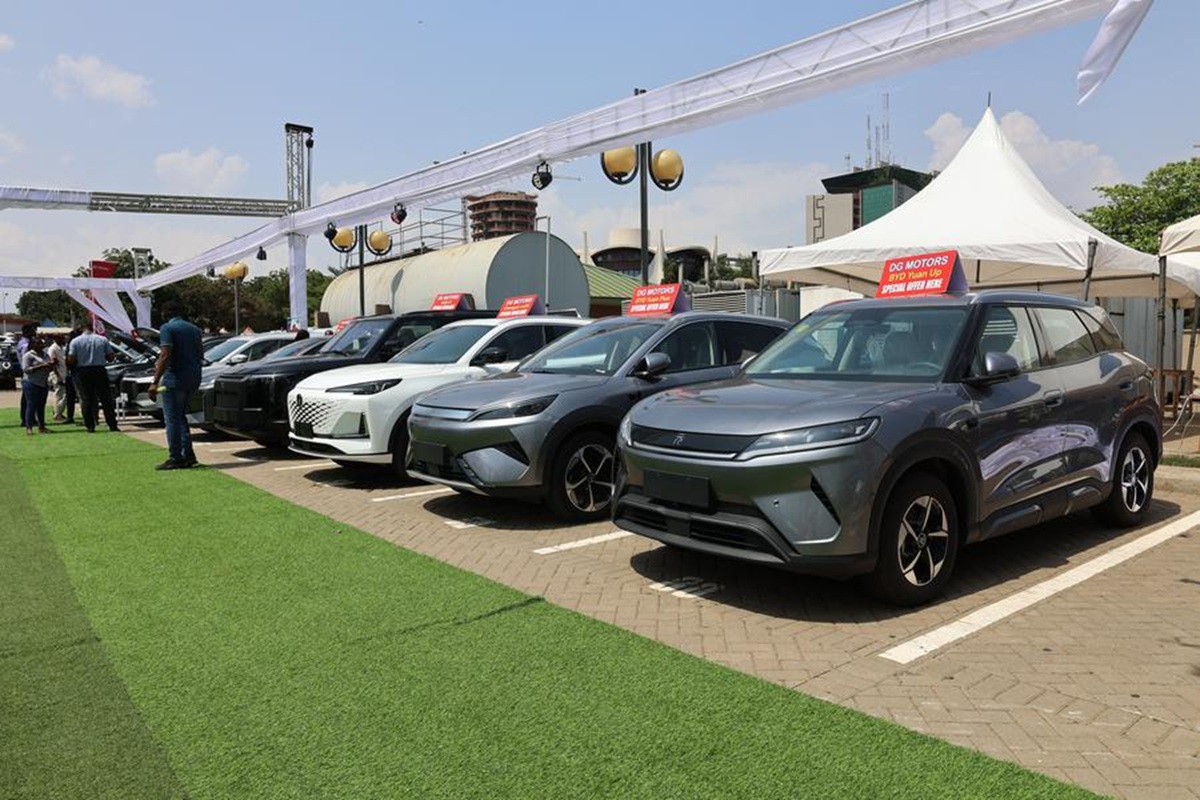
Chinese electric vehicles provide a practical escape from unpredictable pump prices in Ghana. Drivers are actively switching to these cars to bypass heavy fuel expenses and maintain their monthly budgets.
The current economic climate makes buying petrol a daily headache for most commuters. With fuel prices constantly dancing around 15 to 18 Cedis per litre, ordinary workers feel the pinch. You park your car at the filling station and watch your hard earned money vanish into the tank.
Chinese electric cars in Ghana offer a refreshing alternative to this financial drain. Automobile giants from Asia are flooding the market with vehicles that do not need a single drop of petrol. They give you the freedom to charge at home and drive past the fuel stations with a massive smile on your face.
Official numbers back up this massive shift on our roads today. Data from the Ghana Statistical Service reveals that China secured 22.1 percent of our vehicle import market in 2025. They overtook traditional giants like Japan and Germany because Ghanaians are realizing the incredible financial benefits of electric mobility.
Why are Ghanaian drivers abandoning petrol cars today?
Ghanaian car owners are ditching petrol engines because the daily operational costs are simply too high. Switching to battery power guarantees massive savings and protects drivers from global oil price shocks.
If you drive a standard petrol vehicle around Accra, you already know the heavy burden. A typical driver easily burns through 1,500 Cedis every month just commuting to work and back. That kind of expenditure eats directly into savings and restricts your financial freedom immensely.
The maintenance demands of traditional engines push people further away from petrol. You have to buy expensive engine oil, replace worn out spark plugs, and pray your mechanic does not find a new transmission problem. These frequent garage visits create a constant source of stress and unexpected expenses for car owners.
Electric alternatives eliminate all those messy and expensive mechanical issues. Battery powered cars have fewer moving parts, which means your mechanic gets to see you much less frequently. Industry experts calculate that yearly maintenance for an electric model maxes out around 2,000 Cedis compared to 7,000 Cedis for petrol cars.
How much money can you save driving a BYD or Leapmotor?
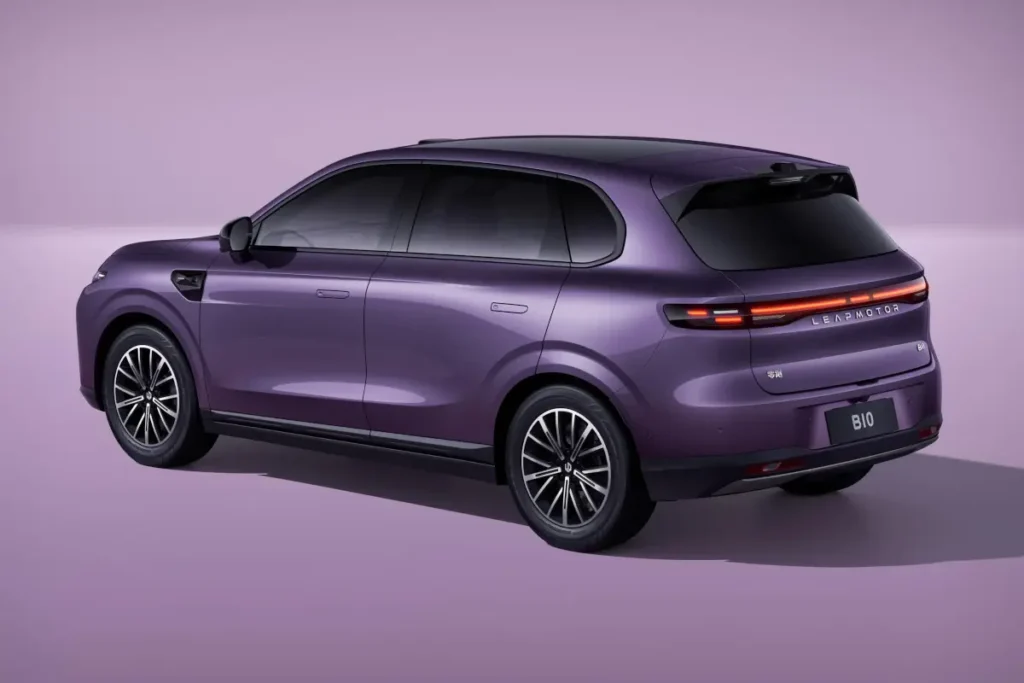
You can slash your monthly transportation budget by up to 70 percent when you switch to electric power. Owners regularly save thousands of Cedis annually simply by charging their vehicles with domestic electricity.
Let us break down the real numbers for a standard driver navigating city traffic. Running a petrol vehicle might cost you almost 1,700 Cedis monthly if you travel roughly 1,200 kilometers. Driving that exact same distance in a modern electric car uses just about 400 Cedis of electricity.
Those monthly savings multiply very quickly over a full calendar year. Keeping that extra 1,200 Cedis in your pocket every month translates to over 14,000 Cedis in annual savings. You could use that retained cash to pay school fees, invest in a business, or finally take that well deserved vacation.
Commercial drivers and ride hailing operators are leading this adoption for good reason. For them, every Cedi saved on fuel increases their direct daily profit margins significantly. The return on investment becomes glaringly obvious when you realize you no longer share your earnings with the local fuel station.
What makes Chinese electric vehicles so affordable right now?
Chinese electric cars dominate the market because their manufacturers have mastered mass production and battery technology. They build high quality vehicles at a fraction of the cost of their Western competitors.
You do not need to be a millionaire to own a reliable zero emission vehicle anymore. Entry level models from brands like Leapmotor or BAW start around 18,000 US Dollars locally. This aggressive pricing strategy makes electric mobility accessible to the growing middle class and small business owners alike.
Chinese automakers faced steep tariffs in Western markets, so they smartly shifted their focus toward Africa. This pivot means Ghanaians now enjoy direct access to world class automotive innovations without the inflated luxury price tags. They deliver premium features like digital dashboards and smart connectivity at very sensible price points.
Local partnerships also play a huge role in driving down the final purchase costs. Companies like SolarTaxi and Kofa import components directly and assemble smaller vehicles right here in the country. This local assembly process completely bypasses heavy shipping fees and creates valuable technical jobs for the youth.
Is the government helping buyers switch to electric cars?
The government is actively encouraging the switch by removing heavy import taxes on electric vehicles. These progressive policies dramatically reduce the final purchase price for both private and commercial buyers.
Buying a car usually involves paying crippling duties at the Tema port, but the rules have changed. The National Electric Vehicle Policy introduced a massive eight year zero duty incentive for imported electric vehicles. This brilliant tax holiday lowers the total acquisition cost by up to 40 percent compared to petrol cars.
Authorities are also using penalties to discourage the importation of dirty traditional engines. In 2023, they introduced a carbon levy ranging from 75 to 300 Cedis on high emission vehicles. This financial push heavily persuades fleet managers and individual buyers to look toward cleaner battery powered alternatives instead.
The Drive Electric Initiative spearheaded by the Energy Commission further supports this green transition perfectly. Their mandate promotes productive utilization of our excess electricity generation through increased vehicle charging. Aligning with global climate goals ensures that our roads will gradually become free of toxic exhaust fumes.
Can the electricity grid handle the new electric vehicles?
Our national grid has enough excess generation capacity to easily support thousands of electric cars. Charging at night actually helps utility companies balance their power distribution and monetize unutilized energy.
Many skeptics worry that adding thousands of cars to the grid will cause sudden power outages. However, the Energy Commission confirms that we currently produce more electricity than we consume during off peak hours. Promoting vehicle charging actually resolves this generation overcapacity and brings extra revenue to the utility providers.
The secret to smooth grid operation lies in smart charging habits. Most owners plug their vehicles into their home wall sockets late at night when general household consumption drops drastically. This overnight routine ensures your battery gets full without straining the neighborhood transformer or causing any localized power dips.
You do not even need specialized heavy duty equipment to start charging your car at home. A standard domestic setup requires a simple one time investment of about 3,000 to 7,000 Cedis for installation. Once installed, it works just like charging a very large mobile phone while you sleep peacefully.
Are public charging stations easy to find in Accra and beyond?
Public charging infrastructure is expanding steadily across major cities to support longer travel distances. While home charging remains the primary method, commercial stations are popping up at malls and highways.
Early adopters faced serious challenges when looking for places to plug in outside their homes. A UNDP study noted that early 2024 saw only seven public stations available nationwide and strictly concentrated in Accra. That initial scarcity made long distance travel slightly intimidating for people driving battery powered vehicles.
The landscape is changing rapidly today as private investors realize the profit potential of charging hubs. New fast charging spots are growing across Tema, Kumasi, and major transit corridors to ease driver anxiety. Hotels and shopping malls now install these ports to attract wealthy customers who drive modern green vehicles.
Despite this commercial growth, the smartest financial strategy remains charging in your own garage. Commercial stations bill at a premium rate to cover their heavy installation and maintenance costs. Relying primarily on your residential electricity meter guarantees you get the absolute lowest price per kilometer driven.
Which Chinese car brands are winning the market today?
BYD and Leapmotor are capturing the biggest market share by offering incredible reliability and solid warranties. Their vehicles combine modern aesthetics with rugged durability suitable for our unique road conditions.
BYD easily stands out as the most preferred choice among private buyers and corporate fleets alike. Models like the BYD Seagull offer exceptional range and battery efficiency for a very reasonable price. They entered the market early and built a strong reputation for keeping their cars out of the mechanic shop.
Other brands like BAW and Changan are aggressively targeting the commercial and logistics sectors. The BAW Pony and BAW REACH vans deliver unmatched return on investment for small businesses moving goods. Courier services love them because they drop delivery costs drastically while showcasing a modern zero emission corporate image.
The influx of these varied brands completely shatters old stereotypes about products originating from Asia. Ghanaian consumers now recognize that companies like BYD are the actual global leaders in electric mobility technology. Improved aftersales networks and easy spare parts availability make buying these vehicles a very safe long term investment.
How durable are the batteries in these new imported vehicles?
Modern electric car batteries are engineered to last over a decade with minimal capacity degradation. The latest chemical compositions ensure they withstand extreme heat and daily rapid charging perfectly well.
You might worry that you will need to replace a dead battery after just two years. Thankfully, almost all new Chinese models utilize advanced Lithium Iron Phosphate technology which is incredibly robust. These specialized power packs handle our hot tropical climate significantly better than older generation cell designs ever could.
The standard lifespan of these power units ranges between eight and fifteen years depending on usage. Even after a decade of continuous driving, the battery only loses about twenty percent of its total range. The car remains perfectly functional for daily commutes and dropping the kids off at school for many years.
Dealerships in the capital now offer extensive warranties that cover the battery pack for extended periods. This comprehensive coverage gives buyers total peace of mind when signing their purchase agreements. Knowing you are protected against premature battery failure completely removes the final barrier to trying out green technology.
What does the future hold for electric cars in West Africa?
The electric vehicle revolution in West Africa is accelerating rapidly as governments enforce strict environmental targets. Very soon, traditional petrol engines will become a rare and expensive luxury on our roads.
The government has mapped out a clear timeline to phase out dirty transportation entirely. According to the national policy blueprint, the authorities aim for an impressive 35 percent electric penetration rate by 2035. This bold target guarantees that the supporting infrastructure will only continue to improve and expand nationwide.
Looking further ahead, the ultimate goal is to completely stop the sale of new petrol cars. By the year 2045, no new diesel or petrol vehicles will be imported into the country. Buying an electric model today simply puts you ahead of this inevitable and highly beneficial technological curve.
Chinese electric cars in Ghana are not just a passing trend or a temporary novelty. They represent a permanent solution to the endless fuel crisis and a massive step toward sustainable living. Making the switch today protects your wallet and guarantees a cleaner environment for the next generation.
Also Read: chinese cars in ghana affordable luxury