

 By Collins Sarkodieh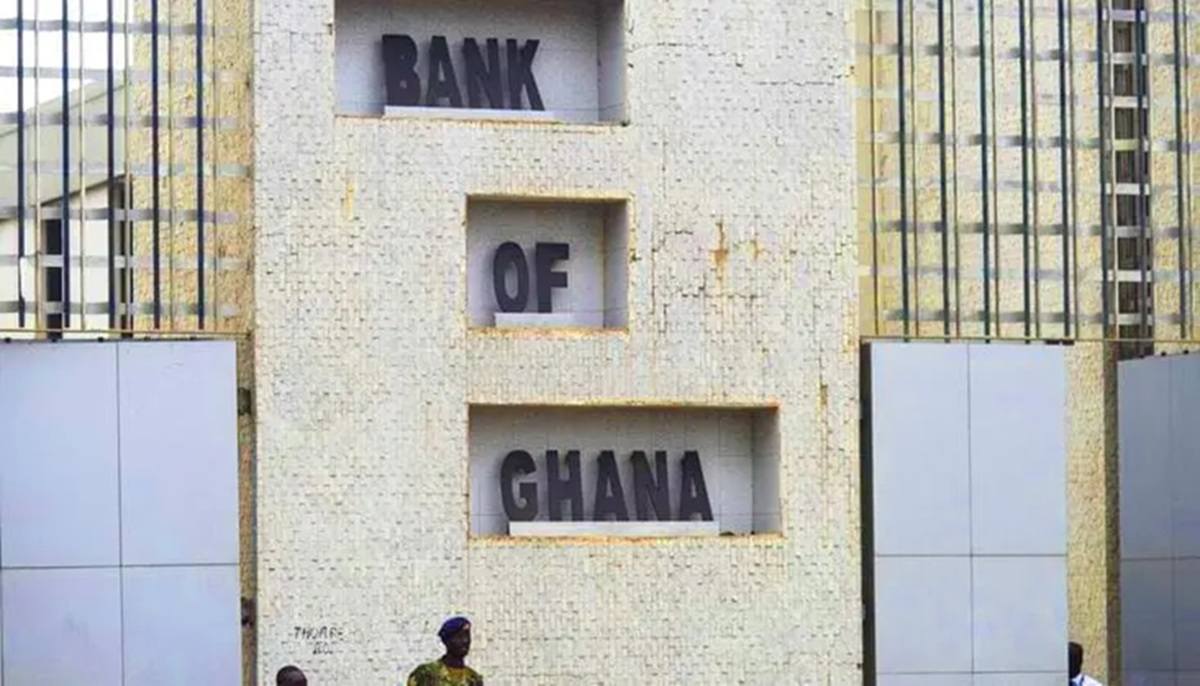
The Bank of Ghana (BoG) has officially confirmed the release of its highly anticipated 2025 financial statements on April 30, following the successful completion of all mandatory regulatory and audit requirements. This publication is expected to provide a comprehensive look at the central bank’s balance sheet, its gold-for-oil reserves, and the overall stability of the Ghanaian Cedi after a year of intense economic reforms.
As a primary indicator of national fiscal health, these results are heavily scrutinized by international investors, local business leaders, and the Ghanaian diaspora who contribute significantly to the country’s foreign exchange through remittances. The April 30 release date is strategically timed to provide the market with clarity before the mid-year budget review, ensuring that stakeholders have a data-driven foundation for their 2026 financial planning. Given the BoG’s recent focus on price stability and inflation targeting, the financial health of the regulator itself serves as a barometer for the success of Ghana’s broader recovery strategy under current global economic pressures.
Why is the Bank of Ghana 2025 financials April 30 release so significant?
The release of the Bank of Ghana 2025 financials on April 30 is significant because it offers a transparent audit of the nation’s monetary policy effectiveness and the central bank’s own solvency after a period of debt restructuring. It provides the empirical evidence needed by global rating agencies and the International Monetary Fund (IMF) to validate Ghana’s progress toward fiscal consolidation.
For the average investor, these financials reveal the “true strength” of the Cedi. If the central bank shows a strong reserve position and reduced impairment losses, it signals a lower risk environment for foreign direct investment. Logic suggests that transparency breeds trust; by adhering to a strict April 30 deadline, the BoG is demonstrating its commitment to international accounting standards and regulatory excellence. This is particularly important for the diaspora, who often look for signs of economic stability before committing capital to long-term projects like real estate or local entrepreneurship back home in Ghana.
What key metrics will be included in the April 30 results?
The upcoming results will include vital data on Ghana’s gross international reserves, the operational costs of the new Bank of Ghana headquarters, and the total interest income generated from government securities. Additionally, the report will detail the “net profit or loss” position, which has been a point of public debate following previous years of intensive monetary interventions.
Investors will pay close attention to the “Notes to the Financial Statements,” specifically sections dealing with domestic debt exchange impacts. These details are the “fine print” of the economy. If the BoG has successfully managed its operational expenses while maintaining a robust “Gold for Oil” program, the financials should reflect a more resilient balance sheet than in previous cycles. Every line item from currency printing costs to personnel expenditures will be parsed by analysts to ensure that the central bank is practicing the same fiscal discipline it preaches to the commercial banking sector.
How do BoG financials affect the Ghanaian Cedi and inflation?
The Bank of Ghana’s financial health directly influences inflation and currency value by determining the bank’s ability to intervene in the foreign exchange market to prevent volatility. A healthy balance sheet allows the BoG to effectively use its “Monetary Policy Committee” (MPC) tools to mop up excess liquidity and keep the inflation rate within the target bracket of 8% plus or minus 2%.
Logic dictates that if the central bank’s own finances are in disarray, its ability to act as the “lender of last resort” is compromised. When the BoG releases a positive financial statement on April 30, it sends a psychological signal to the market that the “lender” is strong. This confidence often leads to a stabilization of the Cedi as speculators reduce their hedging against the dollar. For the man on the street, this translates to more predictable prices for imported goods like fuel and electronics, making the April 30 release date a red-letter day for the entire economy.
Why are businesses and the diaspora tracking these results so closely?
Businesses and the diaspora track these results to assess the “sovereign risk” of Ghana, which dictates interest rates for commercial loans and the safety of their savings in Ghanaian banks. The diaspora, in particular, views the BoG financials as a “health checkup” for the country’s economy before they send home their hard-earned foreign currency.
- Business Planning: Companies use the data to forecast exchange rate trends for their Q3 and Q4 import cycles.
- Investment Confidence: Institutional investors look for a “clean” audit report to justify increasing their holdings in Ghanaian bonds.
- Remittance Safety: A strong central bank ensures that the local banking system is well-regulated and that remittances are safe from systemic failure.
The “Winning Language” here is stability. For a Ghanaian living in London or New York, the April 30 financials are more than just numbers; they are a sign of whether the “homeland” is moving toward prosperity or stagnation. A transparent report encourages the diaspora to move beyond just consumption-based remittances toward production-based investments that create jobs in Accra, Kumasi, and beyond.
Factual Insights on Bank of Ghana and the 2025 Economic Year:
- Regulatory Compliance: The BoG is required by the Bank of Ghana Act, 2002 (Act 612) to publish its audited financial statements annually.
- Gold Reserves: Ghana became the first African country to implement a “Gold for Oil” policy, significantly impacting the BoG’s asset composition in 2024 and 2025.
- Inflation Trends: Throughout 2025, the BoG maintained a hawkish stance to bring inflation down from its 2023 peaks.
- Audit Standards: The 2025 financials are prepared in accordance with International Financial Reporting Standards (IFRS).
- MPC Role: The Monetary Policy Committee meetings usually precede the financial release to set the tone for the market’s expectations.
- Digital Cedi (eCedi): The 2025 report is expected to include updates on the pilot phases and financial implications of Ghana’s Central Bank Digital Currency.
- Diaspora Contribution: Remittances to Ghana typically exceed $4 billion annually, making the diaspora a major “silent partner” in national finance.
What is the expected impact on the Ghana Stock Exchange (GSE)?
The release of the Bank of Ghana 2025 financials on April 30 typically triggers a reaction on the Ghana Stock Exchange, particularly among the listed “Financial Stocks.” If the central bank shows a strong regulatory grip and a healthy financial position, it bolsters confidence in the entire banking sector, often leading to a rally in bank shares.
Stock market logic is built on “future expectations.” If the BoG’s financials indicate that the “worst of the debt crisis” is over, investors feel more comfortable buying shares in commercial banks like GCB, Ecobank, or Standard Chartered. These banks are heavily intertwined with the central bank’s policies. A transparent and positive report on April 30 acts as a “green light” for equity investors, suggesting that the broader financial sector is on a sustainable path toward dividend-paying profitability.
Also Read: BoG Explains Why Pesewa Coins are Vital for the Economy and illegal to Reject
How has the “Gold for Oil” program affected the 2025 balance sheet?
The “Gold for Oil” program is expected to show up prominently in the 2025 financials as a significant component of the bank’s diversified asset base. By using locally mined gold to pay for refined petroleum products, the BoG has attempted to reduce the pressure on its US Dollar reserves, a move that will be tested by the April 30 audit results.
Critics and supporters alike will be looking at the “Efficiency Ratio” of this program. Did it actually save the country money, or did it merely shift the cost from one asset class to another? The logic of the program was to stabilize fuel prices at the pump by bypassing the “FX scramble.” If the 2025 financials show that international reserves grew while fuel inflation remained stable, the policy will be hailed as a masterstroke. The April 30 release will provide the first “hard data” to settle this long-standing economic debate.
What role does the IMF play in the April 30 release?
The IMF plays a “watchdog” role, as the release of the financials is often a prerequisite for the disbursement of next-level funding tranches under Ghana’s Extended Credit Facility. The 2025 results must prove that the Bank of Ghana is adhering to the “Memorandum of Economic and Financial Policies” agreed upon with the fund.
This relationship ensures a level of “enforced discipline.” The IMF requires that the central bank limits its “monetary financing” of the government essentially, it must stop printing money to cover the budget deficit. The April 30 report will be a “test scoresheet” for this discipline. If the BoG shows it has stayed within these limits, it paves the way for continued international support and a more favorable credit rating for the Republic of Ghana. In this context, April 30 is not just a BoG deadline; it is a “national accountability” deadline.
How can the public access the Bank of Ghana 2025 financials?
The public can access the full report on the official Bank of Ghana website immediately following the formal release on April 30. Traditionally, a summary of the results is also published in major national dailies like the Daily Graphic and the Ghanaian Times, as well as on digital news portals to ensure wide reach.
- Digital Access: Visit the “Publications” section of the BoG website for the full PDF.
- Social Media: Follow official BoG handles for infographics and “Key Highlight” summaries.
- Press Briefings: Look for the Governor’s address, which usually provides a “Human-readable” explanation of the technical data.
For those who find 200-page financial reports a bit “dry,” the Governor’s summary is the best place to start. It uses simpler English to explain how the bank’s performance affects the average Ghanaian’s pocket. Logic suggests that a well-informed public is less likely to fall for “fake news” or economic rumors, making these official channels the only credible source for the April 30 results.
Whether you are an investor looking for your next big move, a business owner planning your inventory, or a member of the diaspora watching from afar, these results are your “economic compass.” As the sun sets on April 30, the transparency of the Bank of Ghana will be the light that guides the Cedi into the second half of 2026. Stay tuned, stay informed, and remember: in the world of finance, the truth is always found in the numbers.
Also Read: Ghana Cedi Exchange Rate Outlook: Live Rates and Market Analysis for April 2026
Do you believe that the Bank of Ghana should move toward a “quarterly” full financial disclosure model to provide even greater transparency to the market, or would the high cost and administrative burden of such frequent auditing outweigh the benefits for a developing economy like Ghana’s?