

 By Collins Sarkodieh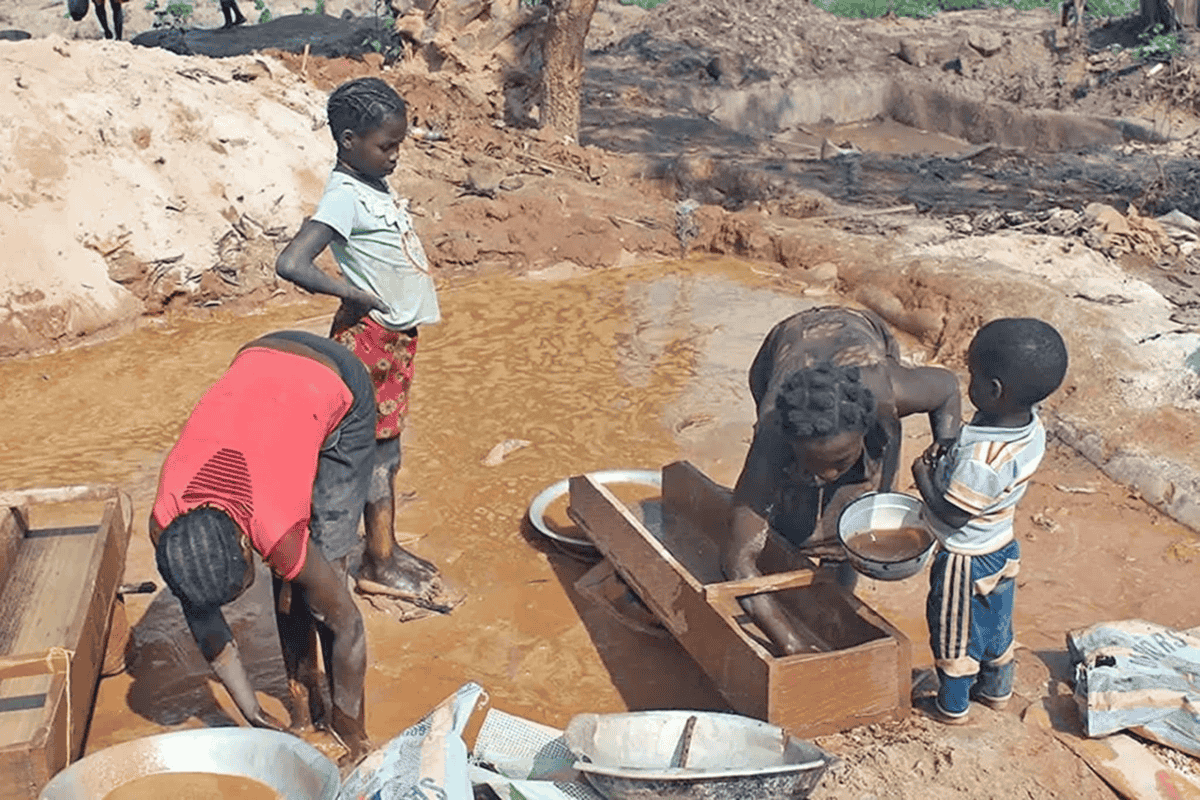
Cameroon is preparing a significant reset of its gold mining sector, signaling a shift from a loosely regulated system to a tightly controlled extractive framework that could reshape one of the country’s most sensitive natural resource industries. The move comes as authorities in Yaoundé prepare to relaunch mining operations following a suspension period and a broad policy review.
At the center of this transition is a new regulatory approach aimed at restoring state control over gold production, transport, and export. The government is introducing stricter oversight of mining sites, reassessing existing licenses issued to companies, and tightening monitoring of the entire value chain. This includes not only extraction but also how gold is moved and exported, an area long associated with informal activity and revenue leakage.
The timing of these reforms is not accidental. Over the past several years, Cameroon’s gold sector has been marked by widespread illegal mining operations, weak enforcement, and significant losses to smuggling networks. These challenges have not only reduced government revenue but have also created parallel informal economies that operate outside state control. In many mining zones, the absence of effective oversight has contributed to environmental degradation and localized insecurity, further complicating governance in resource rich regions.
From a policy perspective, the government’s strategy reflects a classic resource governance dilemma. Countries rich in minerals often struggle to balance investment attraction with regulatory control. Too much flexibility can lead to exploitation and leakage, while overly rigid systems risk discouraging legitimate investors. Cameroon’s current approach suggests a pivot toward control first, with investment incentives expected to follow compliance.
A key element of the reform is the reassessment of mining licenses. This is particularly significant because licensing systems often determine who controls access to high value extraction zones. By reviewing existing permissions, authorities are effectively resetting the rules of engagement in the sector. This could lead to consolidation among compliant operators while pushing out actors that cannot meet new standards.
Another important dimension is enforcement capacity. The government has indicated that future mining activity will be closely monitored on site, with increased cooperation between regulatory agencies and security forces. This reflects a recognition that regulatory frameworks alone are insufficient without operational enforcement mechanisms. In practice, this means more inspections, tighter border controls, and stronger surveillance of transport routes.
The economic implications of these reforms are substantial. Gold is one of Cameroon’s most important untapped revenue sources, and improving governance in the sector could significantly increase fiscal inflows. However, the short term effect may include disruption as operators adjust to new compliance requirements. For investors, the clarity and predictability of the new system will be a key determinant of confidence.
Experts in natural resource governance often emphasize that reform success depends on institutional credibility. If enforcement is perceived as inconsistent or politically influenced, illegal activity tends to persist in parallel markets. Conversely, transparent licensing and consistent application of rules can gradually formalize the sector and expand the tax base.
There is also an international dimension to consider. Global demand for responsibly sourced minerals is increasing, particularly in industries such as electronics and renewable energy. Countries that can demonstrate traceability and regulatory integrity in their mining sectors are more likely to attract long term investment from institutional buyers and multinational firms.
Looking ahead, Cameroon’s reforms could set the stage for a more structured mining economy, but the outcome will depend heavily on implementation. The transition from policy announcement to effective enforcement is often where mining reforms succeed or fail. If executed effectively, the country could reduce smuggling, improve environmental management, and increase national revenue. If not, the informal market may continue to operate alongside the formal system.
What is unfolding is not just a regulatory update but a structural attempt to redefine how natural resources are managed. For Cameroon, the stakes are economic stability, investor trust, and long term control over one of its most valuable underground assets.
Also Read: WTO Talks in Cameroon Collapse After Brazil Blocks US Push to Extend E-Commerce Tax Ban