

 By Collins Sarkodieh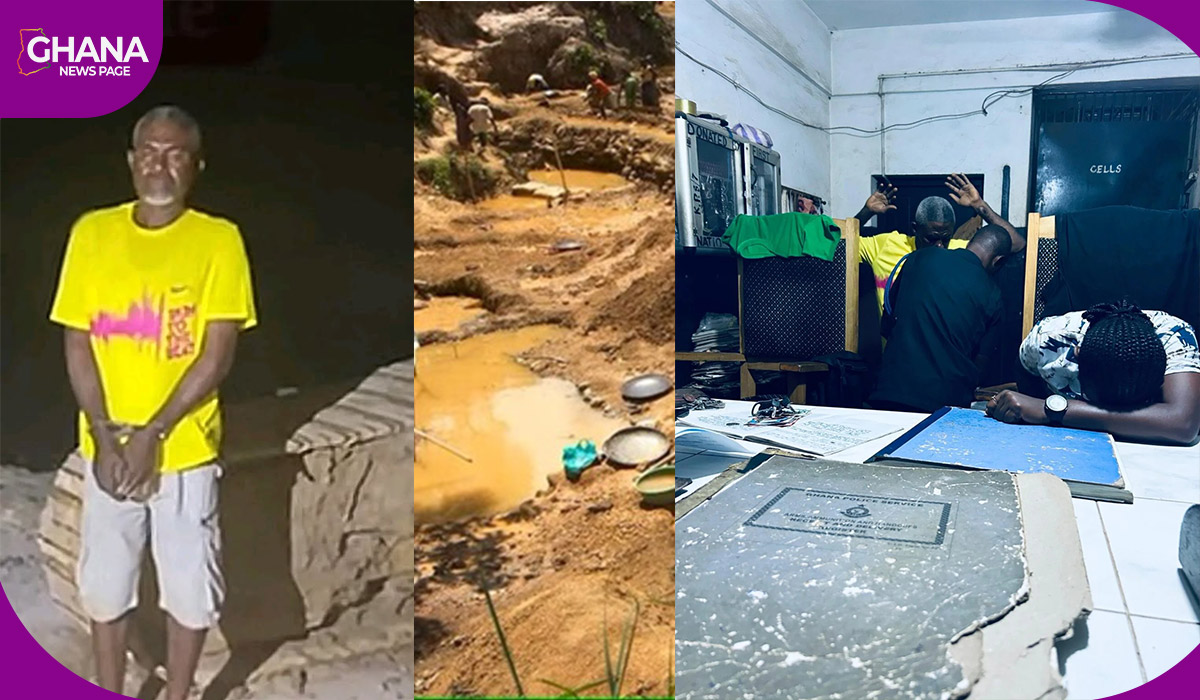
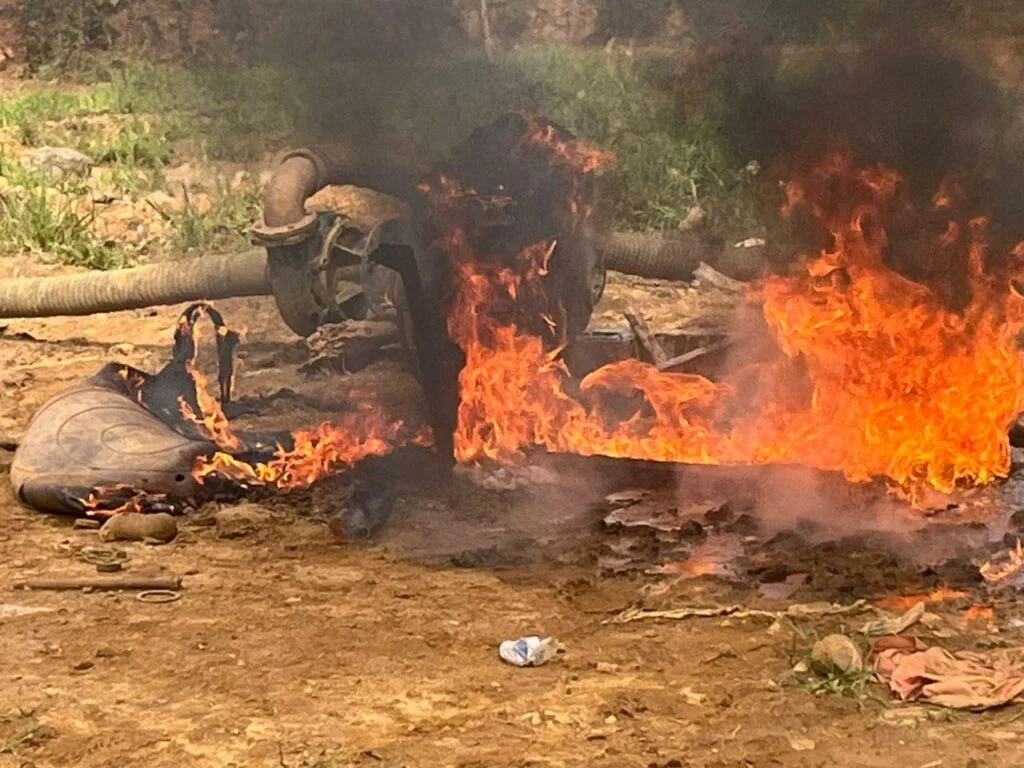
The National Anti-Illegal Mining Operations Secretariat (NAIMOS) has arrested David Bobie Peter, an Elder of The Church of Pentecost, for his alleged role as a foreman at an illegal mining site in Akyem Morso. The operation, which targeted environmental destruction along the Kume River, led to the destruction of heavy “chanfang” machinery and the seizure of multiple water pumps.
The suspect was apprehended after an intelligence-led operation that began in Kyekyebiase and moved toward the Asante Akim South District. Although he initially claimed to be visiting a private farm, NAIMOS officials stated he eventually confessed to managing a “galamsey” site on behalf of a superior. This arrest has sent shockwaves through the local community, highlighting the complex social layers involved in Ghana’s ongoing struggle against illegal mining.
Who is David Bobie Peter and what are the specific allegations?
David Bobie Peter is a high-ranking Elder of The Church of Pentecost at Konongo who has been identified by NAIMOS as the foreman of an illegal mining operation near Juaso. He is accused of overseeing an active site along the Kume River and acting as a scout to monitor the presence of state security task forces.
The suspect reportedly admitted during questioning that he was sent to the area by his “boss,” identified only as Mr. Appiah, to assess the movements of the anti-galamsey secretariat. While he first attempted to use his status as a farmer to explain his presence at the scene, the task force’s intelligence contradicted his account. His subsequent confession led officials directly to the Morso site, where the full scale of the environmental degradation was laid bare.
What equipment was seized during the NAIMOS operation at Akyem Morso?
The NAIMOS task force successfully disabled or seized a wide array of illegal mining equipment, including eight “chanfang” machines and four wooden washing platforms used for processing gold. They also discovered and rendered inoperable a concealed excavator that had been hidden deep within a cocoa farm to avoid detection.
In addition to the heavy machinery, officials confiscated twelve water pumping machines and several industrial hoses that were being used to divert water for mining. The use of cocoa farms as cover for heavy machinery is a growing and concerning trend in the Ashanti and Eastern Regions, as it threatens Ghana’s primary agricultural export while simultaneously polluting local water bodies. By rendering the excavator inoperable, NAIMOS ensured that the equipment could not be immediately moved to a new illegal site.
How has the Kume River been affected by illegal mining in Asante Akim South?
The Kume River, a vital water body near Juaso, has suffered significant environmental damage and visible pollution due to the unauthorized activities at the Morso site. After the suspect led officials to the location, NAIMOS reported that the river ecosystem was heavily compromised by siltation and chemical runoff.
Illegal mining, or galamsey, typically involves the use of mercury and other heavy metals to extract gold, which then leaches into the riverbed. This not only kills aquatic life but also poses a severe health risk to the communities downstream who rely on the Kume River for domestic and agricultural use. The “significant environmental damage” cited by the task force serves as a grim reminder of why these rapid-response operations are critical for national water security.
What happens next for the suspect and the broader investigation?
Following his confession at the scene, David Bobie Peter has been handed over to the Konongo District Police for further investigation and formal prosecution. The authorities are now focused on tracking down the individual identified as “Mr. Appiah,” who is alleged to be the financier and primary owner of the illegal operation.
The legal process will likely involve charges related to mining without a license and causing damage to protected water bodies. Because the suspect identified himself as a religious leader, the case has garnered intense media interest, putting pressure on the police to ensure a transparent and thorough inquiry. NAIMOS has indicated that this arrest is part of a wider “clean-up” operation targeting the Kume River basin.
Factual Insights on Ghana’s Anti-Galamsey Operations 2026:
- NAIMOS Mandate: The National Anti-Illegal Mining Operations Secretariat is the specialized body tasked with field operations against unauthorized mining.
- Targeted District: The recent operation focused on the Asante Akim South District, specifically the Morso and Kyekyebiase areas.
- Machinery Destruction: “Chanfang” machines are locally manufactured floating platforms often used for illegal alluvial mining.
- Environmental Law: Under current Ghanaian law, mining within a specific radius of a riverbed is strictly prohibited without specialized environmental permits.
- Church Involvement: The suspect confirmed his role as an Elder at the Church of Pentecost in Konongo during his initial interrogation.
- Police Custody: The Konongo District Police are currently managing the criminal docket for the suspect.
- Task Force Strategy: The operation utilized a “scout and strike” method, catching miners off-guard before they could move their equipment.
Why did the illegal miners flee the Kyekyebiase site?
Upon sighting the NAIMOS task force, several miners at the Kyekyebiase site abandoned their equipment and fled into the surrounding bush to avoid arrest. This “hit and run” tactic is common among illegal operators who prioritize saving themselves over their expensive, often rented, machinery.
While the miners escaped, the task force was able to neutralize the site by destroying the abandoned platforms and hoses. This creates a significant financial loss for the operators and slows down the return of illegal activities in that sector. However, the capture of the foreman at the nearby Morso site provides a rare opportunity for the police to gather intelligence on the “bosses” who fund these destructive ventures.
What is the significance of finding an excavator in a cocoa farm?
The discovery of a concealed excavator in a cocoa farm highlights the increasingly “stealthy” nature of galamsey operations in 2026. Operators are moving away from open riverbanks and hiding their heavy equipment under the canopy of perennial crops to evade aerial surveillance and drone patrols.
This tactic is particularly damaging because it forces a choice between two of Ghana’s most precious resources: cocoa and clean water. By rendering the machine inoperable on-site, NAIMOS sent a message that hiding equipment will not protect it from the law. It also serves as a warning to landowners who may be tempted to lease their cocoa farms for illegal mining activities, as they risk losing their livelihoods to environmental ruin.
How does this arrest impact the fight against galamsey in the Ashanti Region?
The arrest of a church leader for galamsey foreman duties is a “sobering” moment that illustrates how deeply illegal mining has permeated different sectors of Ghanaian society. It suggests that the fight against galamsey is not just a battle of technology and force, but also a battle of ethics and community values.
Logic suggests that if individuals in positions of moral authority are involved, the economic incentives of galamsey remain dangerously high. However, the successful arrest and confession show that NAIMOS’s intelligence-led approach is working. By targeting the foremen and managers, the task force is moving closer to the financiers who keep these sites operational despite the heavy risk of prosecution.
The Akyem Morso operation is a clear win for the environment, but a complex challenge for the community. Seeing a religious leader in handcuffs for “managing” the destruction of a river is a difficult sight for the people of Konongo.
As the investigation into “Mr. Appiah” continues, the focus must remain on the Kume River’s recovery. The machinery is gone and the foreman is in custody, but the water still runs brown. This case proves that while “acts of God” are unpredictable, acts of men like illegal mining can and will be met with the full force of the law in 2026.