

 By Collins Sarkodieh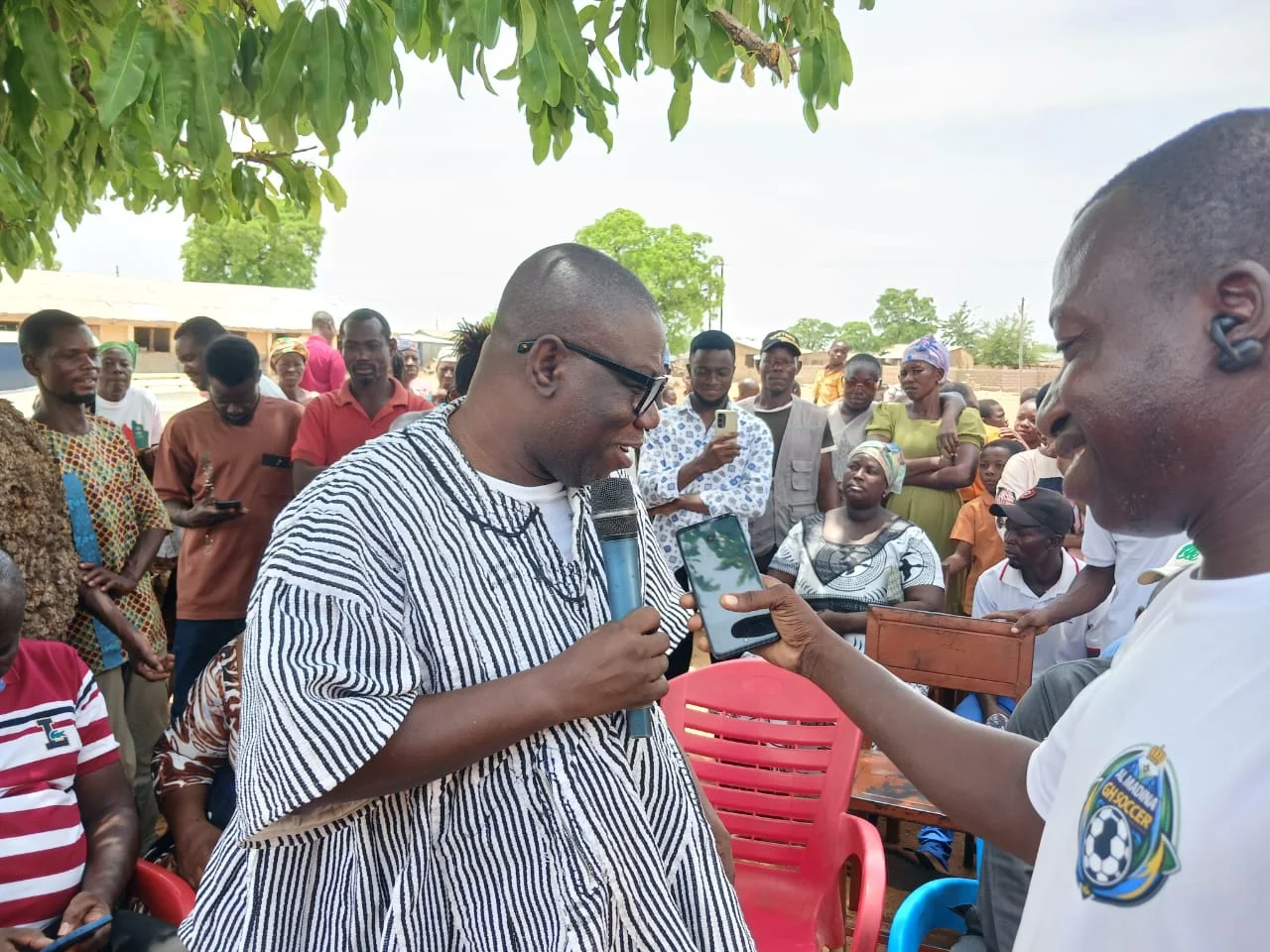
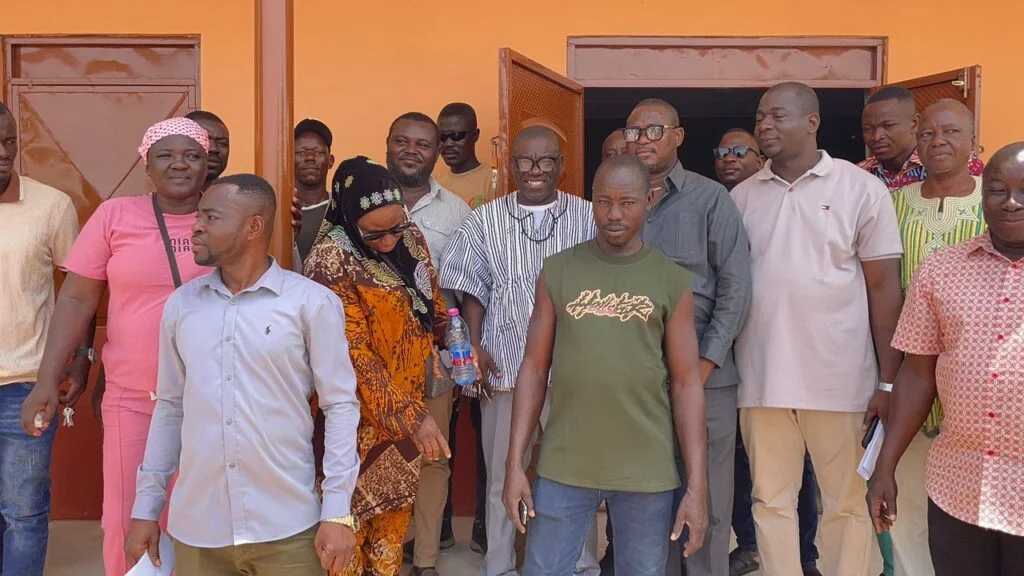
Bolgatanga Central Member of Parliament (MP), Isaac Adongo, officially commissioned a comprehensive suite of development projects in the Sumbrungu zone on April 29, 2026. These initiatives include a new maternity block, a day care center, 18 boreholes, grinding mills, and several bridges designed to improve healthcare, education, and economic mobility for thousands of residents.
According to the Constituency Communication Office, these projects represent a targeted, people-centered approach to grassroots development. By addressing fundamental needs like safe water and maternal health, the MP aims to reduce the daily hardships faced by women and children in the Upper East Region. The scale of the commissioning covering multiple wards including Kulbia and Azoribisi—marks a significant milestone in the current parliamentary term’s infrastructure agenda.
What are the key projects commissioned by Isaac Adongo in Sumbrungu?
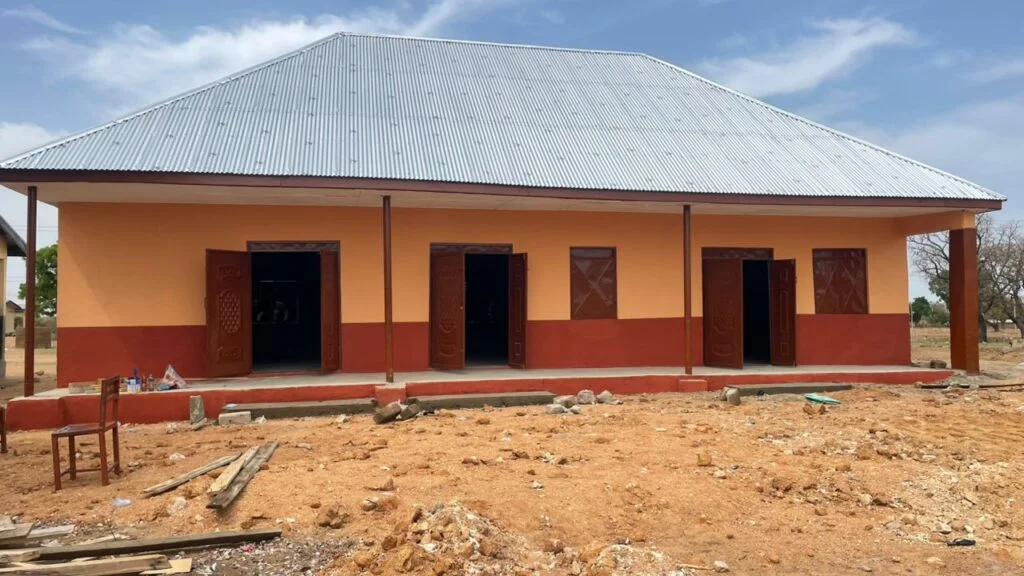
The primary projects commissioned on April 29 include the Anateem Maternity Block and the Anateem Day Care Centre. Additionally, the MP handed over 18 boreholes to improve water access and five grinding mills to support local agricultural processing and economic empowerment.
The Anateem Maternity Block is expected to significantly decrease travel times for expectant mothers, potentially reducing maternal mortality rates in the zone. Similarly, the Anateem Day Care Centre provides a foundation for early childhood education, allowing parents to engage in economic activities while their children are in a safe learning environment. These facilities are not just buildings; they are essential life-support systems for a growing community.
How will the 18 new boreholes improve water access in Bolgatanga Central?
The 18 boreholes have been strategically distributed across four key wards to ensure that safe, potable water is within walking distance for most households. Kulbia Ward received the largest allocation with ten boreholes, followed by four for Azoribisi, and two each for Amogrebisi and Kolgo-Agusi.
In rural and peri-urban Ghana, access to safe water is a major determinant of public health, directly impacting the prevalence of waterborne diseases. By focusing heavily on Kulbia Ward, the MP is addressing a specific “water poverty” gap identified during community consultations. These water points are expected to save women and children hours of daily labor previously spent fetching water from distant or unsafe sources.
Which infrastructure and security projects were inspected during the visit?
Beyond the new commissions, Isaac Adongo inspected the renovated Sumbrungu Nurses’ Quarters and the refurbished Sumbrungu Police Station. He also visited ongoing construction sites at Kolgo-Agusi JHS and Azoribisi JHS to ensure educational infrastructure remains a priority.
The renovation of the Nurses’ Quarters is a strategic move to ensure healthcare workers remain in the community, providing 24-hour coverage for the new maternity block. Likewise, the refurbished Police Station strengthens local security, which is essential for fostering a stable environment for business and social life. The inspection of the Junior High Schools (JHS) confirms that the MP is looking toward the long-term educational needs of the next generation.
How do the new bridges and grinding mills promote economic empowerment?
The four newly commissioned bridges improve mobility between isolated communities, while the five grinding mills provide essential machinery for local food processing. These tools allow farmers and small-scale traders to process grains and other staples locally, adding value to their products before they hit the market.
Bridges are often the unsung heroes of rural development; without them, many farmers lose access to markets during the rainy season. By enhancing mobility, the MP is effectively lowering the cost of doing business in Sumbrungu. The grinding mills act as micro-economic engines, specifically empowering women who typically manage the post-harvest processing of crops.
Factual Insights on Development in Bolgatanga Central:
- Commissioning Date: All projects mentioned were officially handed over on April 29, 2026.
- Water Distribution: The 18 boreholes were allocated specifically to Kulbia (10), Azoribisi (4), Amogrebisi (2), and Kolgo-Agusi (2).
- Healthcare Focus: The Anateem Maternity Block is paired with renovated Nurses’ Quarters to ensure professional staffing.
- Education Tiers: Investments span from early childhood (Anateem Day Care) to Junior High School (Kolgo-Agusi and Azoribisi JHS).
- Security Infrastructure: The Sumbrungu Police Station was refurbished to enhance community policing and safety.
- Strategic Mobility: Four bridges were constructed to connect previously separated farming zones within the Sumbrungu area.
- Economic Tools: Five grinding mills were distributed to boost local agricultural value-addition.
Why is grassroots development critical for the Sumbrungu zone?
Grassroots development, like the initiatives led by Isaac Adongo, addresses the “last mile” of public service delivery that large-scale national projects often miss. By focusing on specific wards and neighborhoods, the MP ensures that development is felt directly in the daily lives of his constituents.
The projects commissioned in Sumbrungu demonstrate a “multi-sectoral” approach, meaning they fix problems in health, water, and transport simultaneously. This creates a synergy where improved health (maternity block) and better water (boreholes) lead to a more productive workforce. When a community has security (police station) and mobility (bridges), it becomes a fertile ground for local investment.
Also Read: The Church of Pentecost Hands Over Ultra-Modern Police Station to Bono East Command
What is the long-term impact of the Anateem Day Care Centre?
The Anateem Day Care Centre serves as a critical entry point into the formal education system for children in the Sumbrungu zone. By providing early childhood care, the facility helps bridge the “readiness gap” that often puts rural children at a disadvantage when they reach primary school.
Beyond education, such centers are massive economic enablers for mothers. In many parts of Bolgatanga Central, women are the primary breadwinners, and having a safe place for their children allows them to participate more fully in trade and agriculture. It is a project that pays dividends in both the social and economic sectors over several decades.
How does Isaac Adongo’s approach align with “people-centered” development?
The MP’s approach is considered people-centered because it prioritizes basic human needs water, maternal health, and safety over purely aesthetic or high-cost “prestige” projects. The Constituency Communication Office noted that these interventions are intended to “uplift lives” through targeted, practical solutions.
Logic suggests that the distribution of boreholes and grinding mills is based on direct requests from the community, rather than top-down planning. When an MP commissions 18 boreholes in a single day, it shows a deep understanding of the most pressing local crisis: access to clean water. Reaffirming his commitment to Sumbrungu, Adongo appears to be focusing on the building blocks of a resilient local economy.
The transformation of Sumbrungu on April 29, 2026, represents a major win for local governance in the Upper East Region. From the first cries in the new maternity block to the steady hum of the new grinding mills, these projects will be felt by every household in the zone.
As these 18 boreholes begin to flow and the new bridges connect farmers to markets, the true success of these initiatives will be measured in the health and prosperity of the people. Isaac Adongo has laid the groundwork; now, it is up to the community to utilize these resources to foster a new era of comprehensive development.
Also Read: Binduri Attack: Motorbike Ban Imposed, 21 Arrested as Military Hunts Remaining Suspects