By Ghana News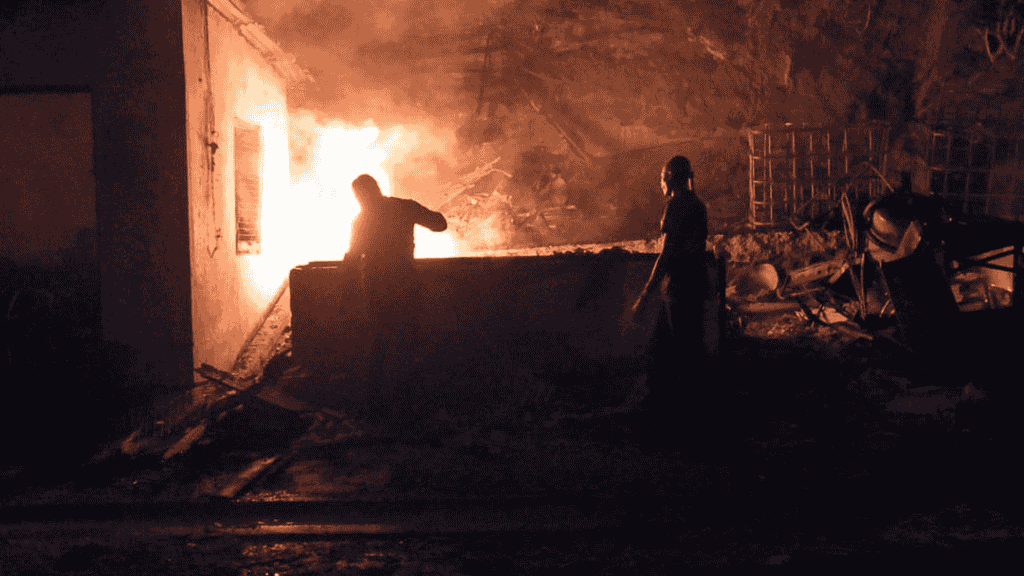
The emergency management framework protecting the nation’s maritime infrastructure successfully averted a massive industrial crisis. A multi-agency task force brought a violent fuel farm inferno under control at the Albert Bosomtwe-Sam Fishing Harbour in Sekondi on Sunday evening.
The prompt tactical deployment by the Ghana National Fire Service and supporting military units completely neutralized the highly flammable blaze, ensuring zero injuries or loss of life.
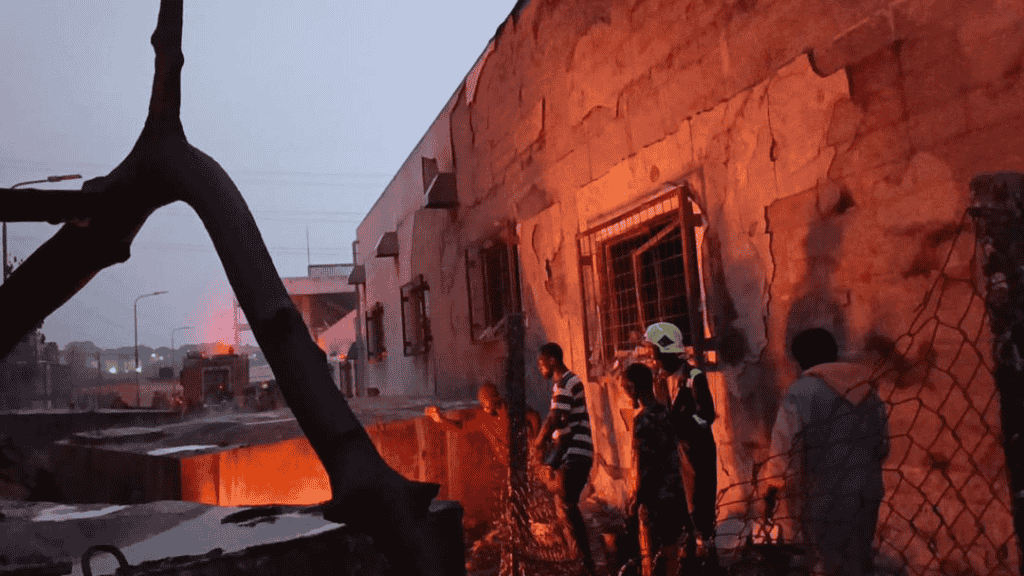
The sudden harbor emergency required an immediate, coordinated tactical response from multiple state security divisions. First responders from the Sekondi Metro Fire Station arrived at the scene just ten minutes after receiving a distress call at 4:34 pm to find five surface fuel tanks fully engulfed in flames.
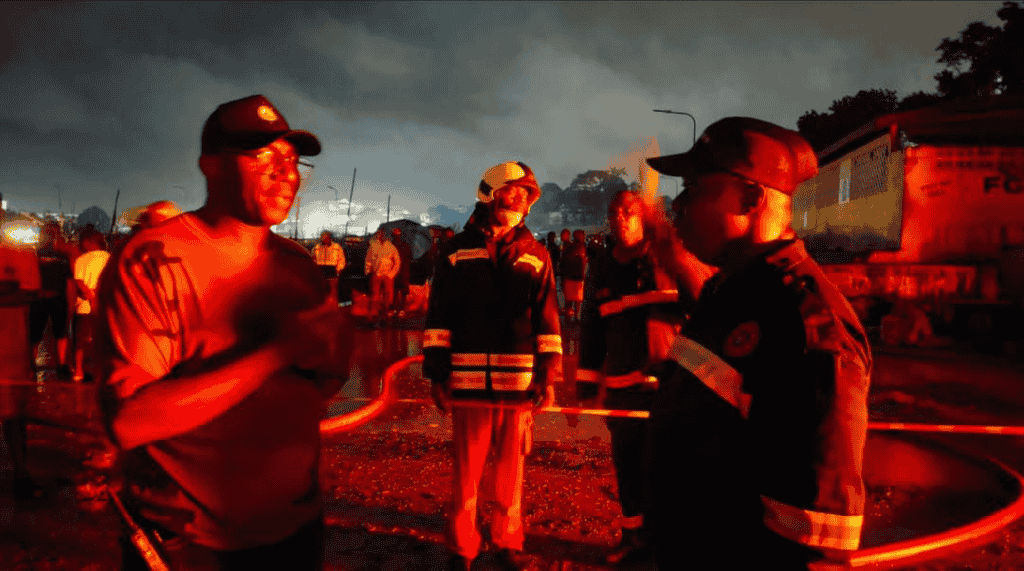
Logic dictates that pouring regular water onto an active petroleum fire will only spread the burning fuel and make the disaster worse. To tackle the highly volatile fuel vapors, the metro crew received immediate reinforcement from the Ghana Ports and Harbours Authority Fire Department, the Ghana Navy, and the Ghana Air Force.
Operational teams deployed four specialized fire tenders and a massive water tanker, using heavy layers of chemical foam concentrate to suffocate the oxygen supply feeding the flames. Despite persistent torrential rainfall, crews brought the main blaze under control by 6:13 pm and fully extinguished it by 8:15 pm.
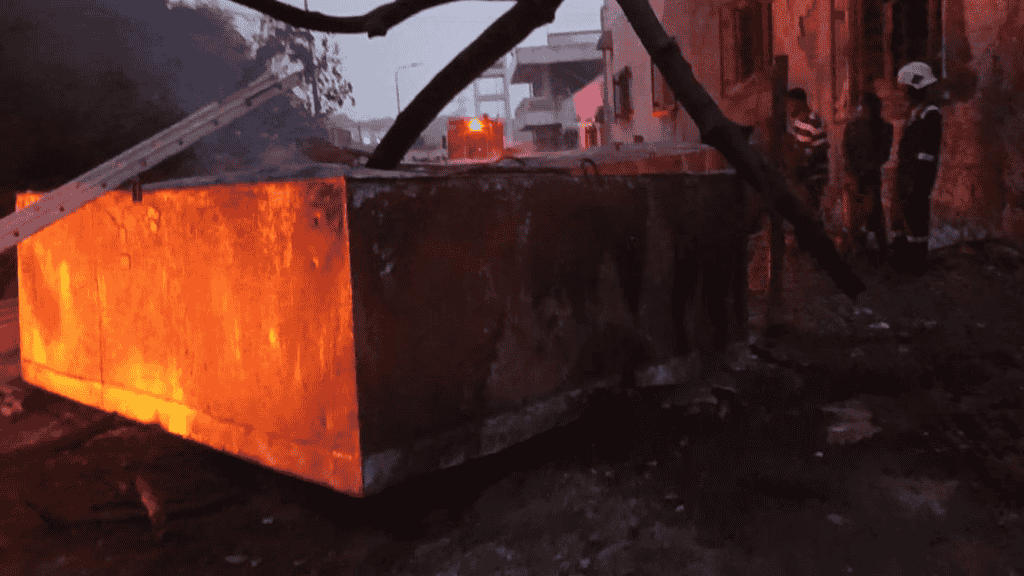
Preliminary field surveys confirm the intense heat damaged two saloon cars, multiple fuel drums, underground storage pipes, and the outer walls of the GPHA Main Administration Block. Initial investigations suggest that the heavy downpour triggered a sudden landslide behind the facility, knocking down trees and an electricity pole which generated the sparks that ignited the fuel.
Hoping that a massive fuel farm fire will simply burn itself out without spreading to nearby fishing vessels and high-voltage pylons is an absolute logical error. While unexpected disasters like landslides are a reminder of how unpredictable nature can be, saving a vital economic hub requires instant teamwork rather than slow bureaucratic arguments.
True national resilience relies on quick, professional coordination during a crisis. By arriving within ten minutes and combining military and civil fire resources, the emergency teams saved the Sekondi enclave from a major economic disaster, proving that real preparation saves lives and protects the livelihoods of thousands of local fishermen.
Also Read: Fire Outbreak at Accra Central Police Barracks Sparks Tensions Over Relief Aid