

 By Zobia Zulfqar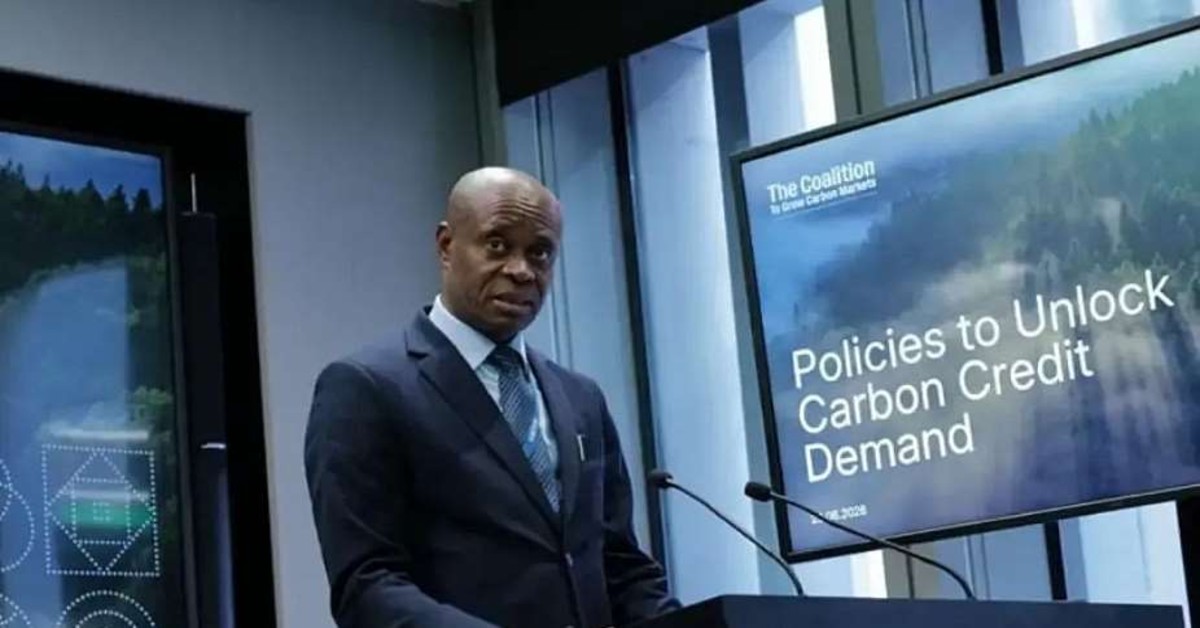
Ghana has renewed its call for the establishment of fair, transparent, and high-integrity global carbon markets as the country seeks to strengthen climate finance and accelerate efforts to reduce greenhouse gas emissions.
The appeal was made by Deputy Minister for Lands and Natural Resources, Yusif Sulemana, during high-level discussions at the Coalition to Grow Carbon Markets meeting held on the sidelines of London Climate Action Week on June 23.
Speaking to government officials, development partners, climate experts, and private sector stakeholders, the Deputy Minister emphasized that well-functioning carbon markets remain essential for helping developing countries mobilize the financial resources needed to meet their climate commitments.
According to him, a transparent carbon market framework would attract greater investment into climate action while supporting sustainable development and environmental conservation across vulnerable countries.
He noted that carbon markets provide a practical mechanism for unlocking climate finance by allowing countries and businesses to invest in verified emissions reduction projects. Such investments, he said, can generate measurable environmental benefits while creating economic opportunities for local communities.
Mr. Sulemana explained that Ghana considers carbon markets an important tool for expanding climate mitigation efforts and delivering long-term benefits for forests, biodiversity, and rural livelihoods.
He stressed that strong governance, transparency, and environmental integrity must remain central to the development of international carbon trading systems to maintain investor confidence and ensure genuine emissions reductions.
During a separate panel discussion focusing on forests and climate, the Deputy Minister also called for a coherent international framework for jurisdictional forest carbon credits.
He argued that such a framework would unlock large-scale financing for forest conservation, sustainable land management, and ecosystem restoration, particularly in countries with significant forest resources like Ghana.
According to Mr. Sulemana, protecting forests is one of the most effective ways to combat climate change while supporting biodiversity conservation and improving the livelihoods of communities that depend on natural resources.
He noted that Ghana has made significant progress in strengthening its climate governance over the years, evolving from earlier REDD+ programmes toward more advanced carbon market mechanisms under Article 6 of the Paris Agreement.
The transition, he explained, reflects Ghana’s commitment to adopting internationally recognized climate policies capable of attracting investment while delivering measurable environmental outcomes.
The Deputy Minister said Ghana remains focused on creating policies that encourage responsible carbon trading while ensuring that communities directly involved in conservation efforts receive fair benefits from climate finance.
He added that high-integrity carbon markets can help bridge the significant climate funding gap facing many developing countries, enabling governments to invest more in renewable energy, sustainable agriculture, forest protection, and climate resilience projects.
London Climate Action Week brought together governments, financial institutions, businesses, and environmental organizations from around the world to discuss practical solutions for accelerating climate action and mobilizing investment for low-carbon development.
The Coalition to Grow Carbon Markets continues to advocate for international cooperation aimed at expanding access to carbon finance while promoting transparent and credible market systems that support global climate goals.
Ghana has consistently positioned itself as one of Africa’s leading advocates for climate finance reforms and sustainable environmental management. Officials believe that stronger global carbon markets can play a key role in helping countries achieve their Nationally Determined Contributions (NDCs) under the Paris Agreement while supporting economic growth.
As climate change continues to pose significant challenges for developing nations, Ghana says increased international cooperation and high-integrity carbon markets will be critical for delivering the investments needed to protect forests, reduce emissions, and build climate-resilient economies.