

 By Zobia Zulfqar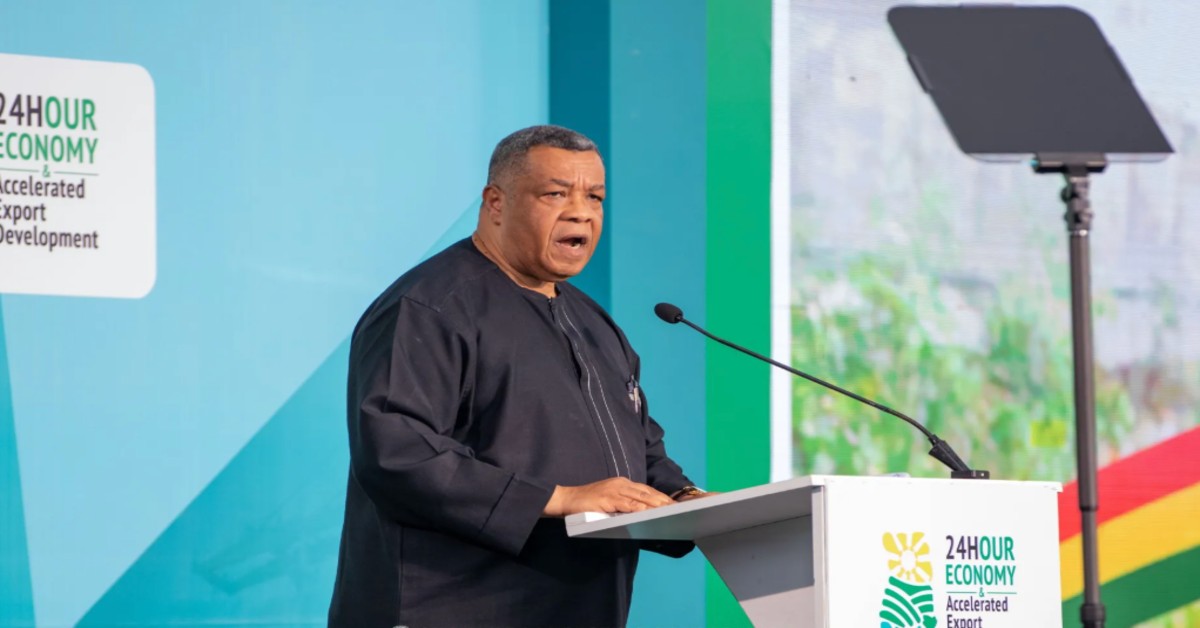
Ghana has long relied on its people abroad to send money home. But Ambassador Victor Smith wants something more than remittances. He wants the Ghanaian diaspora to come back and build something.
Speaking at the Made in Ghana FIFA World Cup 2026 Expo in Boston on Monday, June 22, 2026, Smith laid out a vision that goes beyond feel-good rhetoric about national pride. He called on diaspora entrepreneurs, professionals and foreign investors to form real partnerships with businesses on the ground in Ghana. Partnerships that create jobs, move technology and actually shift the structure of the economy.
“Our young people need jobs, and that remains one of my primary motivations for taking up this position as ambassador,” he said. That line, blunt and direct, probably landed harder than any policy speech could.
The Expo itself was a fitting backdrop. With Ghana set to participate in the FIFA World Cup in 2026, the country is thinking bigger about what it can become, not just on the pitch but in manufacturing, services and trade. Smith used the moment to push that idea forward.
He made the case that the Ghanaian community abroad is not just a source of financial transfers. They carry technical knowledge, professional networks, management experience and access to global markets. When that human capital comes back, even partially, it can do things money alone cannot. It can help local firms improve how they operate, plug into supply chains they could not reach before and compete more seriously in international markets.
Smith was direct about what the Ghana Mission in Washington is actually trying to do. Attracting investment into productive sectors of the economy is a stated priority, not an afterthought. The embassy is working to build bridges between diaspora entrepreneurs and Ghanaian businesses that need capital, skills or connections to grow. The goal is to make those introductions, cut the friction and let genuine partnerships take shape.
What Smith described is not a new idea. Countries from India to Ireland have spent decades trying to mobilize their diasporas for economic development. Some have succeeded, some have not. The difference usually comes down to solid institutional support, a manageable business environment back home and a clear reason for diaspora members to get involved in the first place.
Ghana has made progress on several of those fronts in recent years, but challenges around infrastructure, regulation and access to finance remain real. Smith did not pretend otherwise. Instead, he framed diaspora involvement as part of how those gaps get closed. Deeper collaboration between local enterprises and Ghanaian professionals abroad, he argued, can unlock new capital, bring in fresh thinking and make Ghanaian businesses more competitive globally.
There is something honest in that framing. It does not promise easy returns or overstate what investment alone can fix. It asks people who have built careers and businesses elsewhere to look at what Ghana is trying to become and decide if they want a hand in building it.
That call getting answered in meaningful numbers will depend on more than goodwill. It will need follow-through, policy support and a business environment that makes participation worth the effort. But starting the conversation at a FIFA World Cup Expo, in front of a diaspora community that already cares deeply about Ghana’s image on the world stage, is not a bad place to begin.