

 By Ishmeal
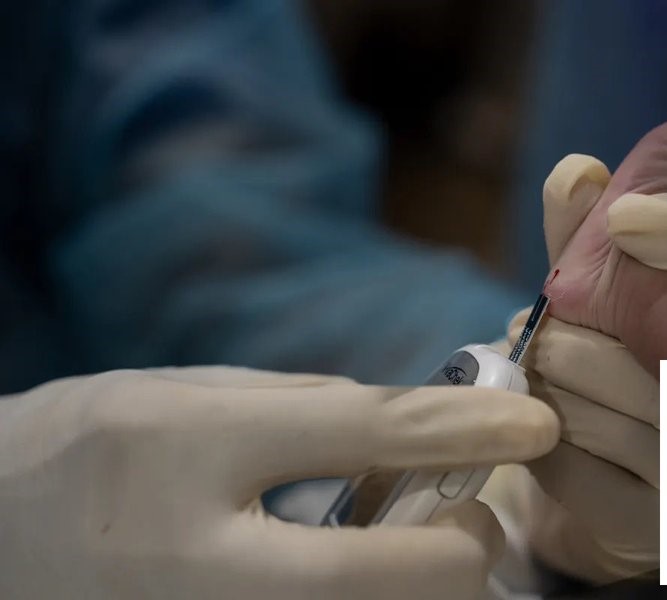
Ghana has recorded 53,415 adolescent pregnancies between January and July 2026, including 1,501 involving girls aged between 10 and 14, according to figures from the Ghana Health Service (GHS).
The figures have raised fresh concerns about teenage pregnancy and its impact on girls’ education, health, emotional wellbeing and future opportunities.
The data was disclosed by Sharifa Mohammed, Manager of the Ghana Health Service’s Adolescent Health and Development Programme, during a national dialogue on reducing teenage pregnancy held in Accra.
The statistics highlight the continuing challenge facing Ghana as health officials, educators, parents and civil society organisations work to protect adolescent girls and reduce early pregnancies.
1,501 pregnancies recorded among girls aged 10 to 14
One of the most concerning aspects of the figures is the 1,501 pregnancies involving girls aged between 10 and 14.
Although the majority of the recorded cases involved older adolescents aged 15 to 19, pregnancies among younger girls have raised serious child protection concerns.
The situation highlights the need to strengthen efforts to protect children from sexual abuse, exploitation and other circumstances that expose them to early pregnancy.
Health officials have also warned that the figures require urgent attention from families, schools, communities and relevant government institutions.
Ghana could record more than 100,000 adolescent pregnancies annually
Sharifa Mohammed indicated that pregnancies among girls aged 15 to 19 were being recorded at approximately 7,000 per month during the seven-month period.
She warned that if the trend continues, Ghana could record more than 100,000 adolescent pregnancies within a year.
The figures point to the need for stronger prevention programmes, improved reproductive health education and better access to adolescent-friendly healthcare services.
Savannah Region records high adolescent pregnancy rates
Adolescent pregnancy remains a concern across different parts of Ghana, although the situation varies from one region to another.
According to the 2022 Ghana Demographic and Health Survey, 26 per cent of girls aged 15 to 19 in the Savannah Region had experienced pregnancy, compared with six per cent in Greater Accra.
The national figure for the same age group was 15.2 per cent.
These differences show why interventions must consider the specific challenges facing communities, particularly areas where poverty, limited educational opportunities and inadequate access to healthcare may increase the risks.
Poverty and limited education contribute to teenage pregnancy
Stakeholders have identified poverty, limited access to education, inadequate reproductive health information and harmful social expectations as some of the factors contributing to adolescent pregnancy.
Girls who are out of school may face additional challenges, including limited access to guidance, healthcare information and opportunities that support their development.
Keeping girls in school is therefore considered an important part of efforts to reduce teenage pregnancy.
Parents, teachers and community leaders have also been encouraged to create safe environments where young people can ask questions and receive accurate information about their health and wellbeing.
Teenage pregnancy affects girls’ education and future opportunities
Beyond the immediate health concerns, teenage pregnancy can interrupt a girl’s education and affect her ability to pursue future career opportunities.
Some adolescent mothers struggle to return to school after childbirth because of childcare responsibilities, financial difficulties and social stigma.
The emotional effects can also be significant. Some girls experience fear, shame, isolation and discrimination, making it difficult for them to continue their education and participate fully in society.
At the 2026 International Day of the Girl Child celebration at Madina Technical Institute, counselling psychologist and CAMFED Association member Perpetual Opata highlighted the emotional and educational consequences of teenage pregnancy.
The event was held under the theme, “Skills Over Early Marriage: Unlocking Girls’ Potential Through TVET.”
Ghana Health Service expands support for adolescent girls
The Ghana Health Service has outlined interventions aimed at supporting adolescent girls, including those who become pregnant.
Through its Adolescent Health Safety Net programme, introduced in 2017, the Service provides reproductive health education, healthcare, psychological and social support, and links to social protection services.
The programme also works with the Ghana Education Service to support young mothers whose circumstances allow them to return to school.
Girls who do not return to formal education may also be connected to civil society organisations for vocational training and skills development.
Sharifa Mohammed said that by September 2026, reproductive health information had reached more than 310,000 young people, while services had reached approximately 54,000 pregnant adolescents.
Stakeholders call for stronger protection and skills training
Stakeholders have called for greater cooperation among government institutions, parents, schools, traditional authorities, religious leaders and civil society organisations to address adolescent pregnancy.
At the Madina Technical Institute event, Ghana TVET Service Director-General Dr Eric Kofi Adzore urged families and communities to support girls to acquire technical and vocational skills.
He noted that poverty, limited educational opportunities and harmful social expectations could expose girls to early marriage and interrupt their education.
Patricia Bossoh, Programme Component Head at GIZ, also called for stronger safeguarding measures in technical and vocational institutions to protect girls against abuse, harassment and discrimination.
She stressed the importance of ensuring that girls can pursue education and skills training in safe and supportive environments.
A growing concern for Ghana
The 53,415 adolescent pregnancies recorded between January and July 2026 highlight a major challenge for Ghana’s health and education sectors.
The 1,501 cases involving girls aged between 10 and 14 make the situation particularly concerning and reinforce the need for stronger child protection measures.
Addressing the problem will require more than public education campaigns. Ghana must also strengthen access to healthcare, keep girls in school, support adolescent mothers and protect children from abuse and exploitation.
The responsibility rests with families, schools, communities and government institutions to ensure that every girl has the opportunity to learn, develop her potential and build a better future.
Also Read:Ecg Power Outage November 6 Full List Of Areas