

 By Collins Sarkodieh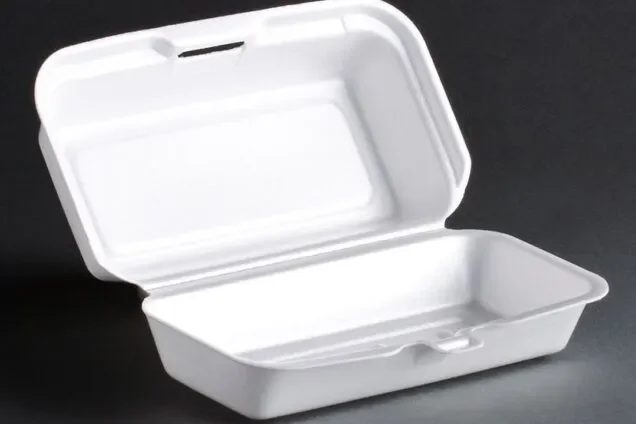
Ghana is officially moving toward a cleaner environment by banning polystyrene foam products, commonly known as Styrofoam or takeaway packs, starting January 1, 2027.
This nationwide policy targets the production, importation, distribution, and use of these materials to combat plastic pollution and improve sanitation.
The Environmental Protection Authority (EPA) directive follows a commitment made by President John Dramani Mahama during the 2025 World Environment Day. By eliminating these non-biodegradable items, the government aims to reduce the waste that frequently clogs drains and contributes to flooding in urban areas.
The ban covers a wide spectrum of expanded polystyrene (EPS) products used for both commercial and domestic purposes. This includes food packaging, takeaway containers, disposable cups, and plates used by restaurants and chop bars.
Beyond food service, the prohibition extends to insulation materials, foam mattresses, bedding products, and general packaging or cushioning materials. However, the EPA has provided an exemption for EPS products specifically required for medical, scientific, laboratory, and diagnostic purposes, provided they receive regulatory approval.
Oheneba Kojo Safo, leader of the Bus Stop Boys, recently praised the EPA’s decision as a massive step toward flood mitigation. He argues that the government should be even more radical by extending this prohibition to cover all single-use plastics.
Safo believes that since these plastics contribute to both environmental litter and health complications, a total phase-out is a practical necessity rather than an impossibility. His stance highlights a growing public sentiment that demands bolder action to restore the country’s natural environment.
Rwanda is frequently cited as a model for environmental cleanliness, having implemented a strict ban on plastic bags back in 2008. Safo notes that Rwanda’s transformation from a nation recovering from past turmoil to the cleanest country in Africa is a challenge for Ghana to match.
The Rwandan success story was built on strong government enforcement, public awareness campaigns, and the promotion of eco-friendly alternatives like paper or reusable fabric bags. Ghana is now looking to emulate this collaborative model by engaging with Metropolitan, Municipal, and District Assemblies, customs officials, and industry regulators to ensure the 2027 ban is enforced effectively.
The period leading up to January 1, 2027, is designed as a transition phase for all stakeholders to move away from Styrofoam. During this time, the EPA will conduct nationwide stakeholder engagements, technical consultations, and public education campaigns.
Businesses, including food vendors and hospitality operators, are encouraged to proactively seek out sustainable, reusable, or recyclable alternatives. By adopting these practices early, the country can ensure a smoother adjustment to the new environmental standards and move closer to a sustainable future.
Also Read: Shocked Construction Workers Unearth Multiple Skeletons in Building Foundation
Source: ghananewspage.com