

 By Emmanuel Bamfo
Every single smartphone shop across town is shouting about artificial intelligence right now. You walk in just to buy a simple, reliable phone, and before you know it, the seller is trying to convince you to drop serious money on an AI-powered device.
The central question every buyer is asking is simple: do these smart features actually fix real daily frustrations, or are tech companies just using shiny buzzwords to collect your hard-earned cash? Beyond the aggressive marketing campaigns and flashy launch events, mobile technology is undergoing its biggest structural shift in over a decade.
Market intelligence from Grand View Research shows the global mobile artificial intelligence market grew to $23.8 billion in 2025 and is expanding past $29.7 billion in 2026, heading toward $206.9 billion by 2033. Meanwhile, specialized Intel Market Research indicates the broader AI smartphone sector will reach $140.8 billion in 2026. Smartphone hardware is undeniably getting smarter, but whether that translates into actual value for your daily routine depends entirely on how you use your phone every day.
Are AI Phones Worth Your Money Or Just Pure Marketing Hype?
AI phones combine dedicated internal processing chips with machine learning algorithms to automate routine system tasks and enhance software performance. They offer genuine value to users, but only if you regularly rely on tools like live voice translation, generative photo editing, and heavy daily text processing.
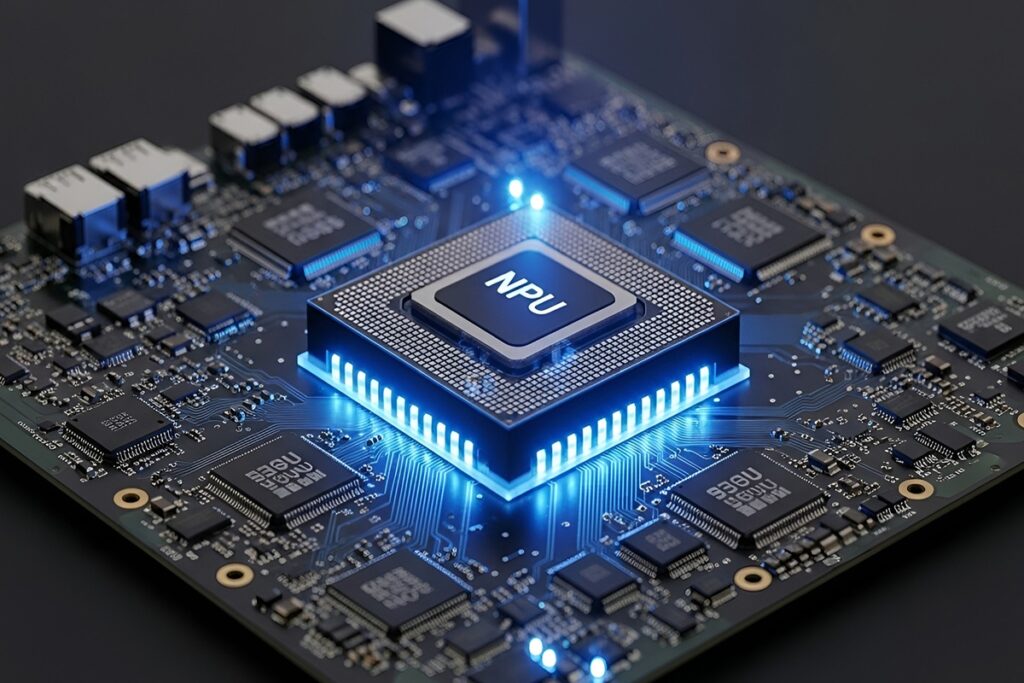
In a standard smartphone, your apps sit completely dormant until you tap them on the screen. On a dedicated AI device, specialized hardware called a Neural Processing Unit (NPU) works in the background to handle heavy data calculations locally on the physical device without constantly relying on cloud servers.
According to industry data from Grand View Research, on-device processing accounted for over 67% of the total mobile AI market preference in 2025. Smartphone makers like Samsung, Apple, and Google are pouring billions into these neural engines because classic hardware specs like screen resolution and raw camera megapixels have reached a natural ceiling.
How Does Mobile AI Change Your Real Daily Phone Experience?
Artificial intelligence improves daily mobile use by automatically handling microscopic tasks like image noise reduction, smart battery distribution, and real-time voice translation. It functions like a quiet digital engine working beneath your operating system.
When you take a photo in low light, computational algorithms instantly analyze the scene, balance human skin tones, and reduce digital noise in milliseconds. You no longer need to know technical camera settings or spend time manually tweaking brightness sliders to capture clear images at night.
For communication, live call translation transcribes incoming voice audio and translates foreign languages in real time during active calls. Automated text tools can also digest massive WhatsApp broadcast messages or long work documents into quick, readable summaries, saving you immense time every single afternoon.
What Are The Major Mobile Technology Trends Driving The Market Today?
The most dominant mobile technology trends today center on local hardware execution, generative media editing, and predictive battery management. Modern devices focus heavily on working smarter rather than just boosting raw clock speeds.
| Feature Category | Traditional Smartphone | Modern AI Smartphone |
| Photo & Video Editing | Manual cropping, basic color filters, manual blur | Object removal, generative background expansion, audio noise eraser |
| Voice & Text Tools | Basic commands for alarms, timers, and voice dialing | Real-time call translation, meeting summaries, smart text drafting |
| Power Control | Static power saver modes triggered at set battery levels | Predictive adaptive power management learning daily user habits |
| Privacy Architecture | Heavy reliance on external cloud servers for complex calculations | Local execution using dedicated hardware Neural Processing Units |
On-device intelligence remains the most significant technical breakthrough in this current mobile technology wave. Processing tasks locally on your physical processor ensures voice transcription, camera enhancements, and document edits happen immediately without needing an active 5G or Wi-Fi internet connection.
Will Artificial Intelligence Features Drain Your Battery Faster?
Modern AI smartphones are engineered to extend total daily battery longevity rather than consume extra power. The inclusion of specialized NPU cores handles machine learning tasks with far greater energy efficiency than traditional central processors.
In older phone architectures, running complex machine learning software forced the primary central processing unit (CPU) to run at maximum capacity, generating excess heat and causing rapid power loss. Modern smartphone chips delegate computational tasks directly to energy-optimized neural cores designed specifically for machine learning calculations.
Furthermore, adaptive battery management systems actively monitor your daily application routines. The operating system identifies which apps you rarely open during specific hours and freezes them in the background, conserving vital battery percentage across a demanding workday.
Should You Pay Extra Cash For AI Capabilities Right Now?
Whether upgrading to an AI phone justifies your money depends entirely on the age of your current device and your daily workflow needs. Buying a new phone strictly for software gimmicks is completely unnecessary if your current device is working perfectly fine.
If your present phone is three or four years old, moving to a modern AI-equipped model gives you a massive jump in camera quality, system speed, and background efficiency. However, if you already own a recent flagship device, paying top money just to edit objects out of photos or get auto-generated text replies will likely feel disappointing.
It is also worth noting that key AI capabilities are rapidly trickling down into budget-friendly mid-range devices. You no longer need to spend a massive fortune on top-tier flagship phones just to enjoy computational camera processing and automated text summaries.
What Security and Privacy Risks Come With Smart Mobile Hardware?
Privacy concerns surrounding smart mobile devices stem from the continuous data collection required to train and personalize machine learning models. Users frequently express worry that private conversations, personal notes, and photo galleries are being monitored.
To protect personal user information, reputable smartphone manufacturers rely heavily on hybrid on-device architecture. When processing takes place locally on your hardware NPU, your sensitive voice recordings, private chats, and confidential files never leave the physical device.
You can easily verify your software privacy settings to control which specific AI features connect to external servers. Choosing trusted device brands allows you to run powerful machine learning features locally while keeping complete control over your personal data.
How Do You Select The Right Smart Phone For Your Needs?
Selecting the right device requires matching specific hardware capabilities with your actual daily lifestyle instead of buying blindly based on aggressive marketing. Focus strictly on features that eliminate your specific daily hassles.
If mobile photography and video content creation matter most to you, prioritize devices featuring advanced computational camera software and generative visual tools. For business professionals, selecting phones with live call translation, automated meeting notes, and fast document summarization yields the highest practical return on investment.
Always take the time to test demo units at local technology shops before making a purchase. Verify that the system features respond smoothly in real time without annoying loading delays or unexpected application crashes.
Where Is The Mobile Technology Market Headed In Coming Years?
The mobile technology market is moving rapidly toward fully proactive operating systems that anticipate your daily needs before you even touch the screen. Industry growth forecasts project the AI smartphone sector reaching $387.6 billion by 2034.
Future mobile devices will replace isolated app functions with deeply integrated, system-wide automated actions. Instead of opening multiple separate applications to check a flight, notify a contact, and adjust a calendar entry, a single voice request will handle the entire complex sequence smoothly.
As processor efficiency continues to advance, complex machine learning operations will run locally even on entry-level hardware. Artificial intelligence will simply become the invisible, foundational engine powering every reliable mobile device on the market.
Making the final decision comes down to practical personal value over industry hype. If live voice translation, predictive battery management, and smart camera tools save you real time and energy, an AI phone is a worthy investment. If you only use your device for standard voice calls, messaging apps, and light video streaming, your current phone will continue to serve you well for a long time to come.
Also Read: ai features battery life and specs compared