

 By Emmanuel Bamfo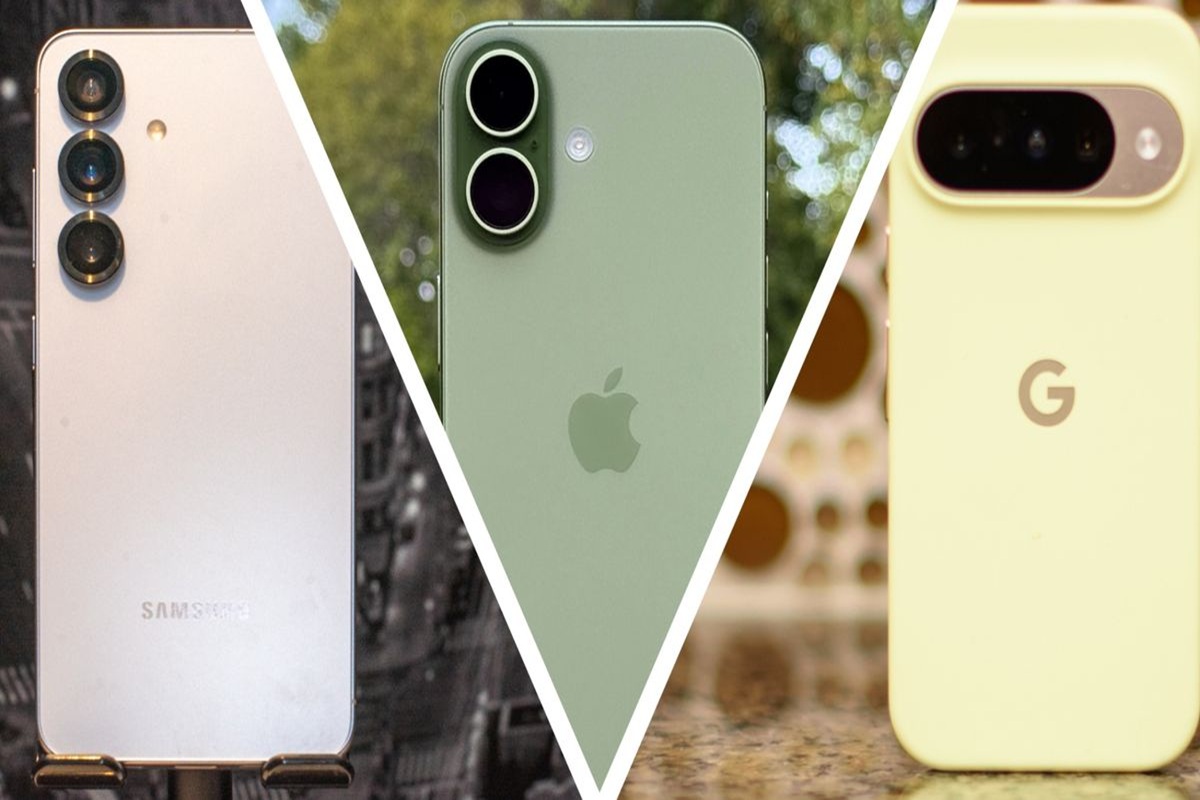
Are you frustrated by smartphones that overheat during multitasking or run out of charge before your workday ends? Many mobile users across Ghana struggle with devices that slow down when opening heavy apps or fail to deliver reliable camera performance under harsh afternoon sunlight.
The next generation smartphones of 2026 bring massive upgrades in artificial intelligence processing, silicon battery density, display brightness, and thermal management. Top flagship contenders like the Samsung Galaxy S26 Ultra, Google Pixel 10 Pro, and Apple iPhone 17 Pro Max feature 3 nm processors, silicon-carbon battery cells, advanced satellite connectivity, and real-time on-device AI. This comprehensive comparison review breaks down performance benchmark data, camera quality, real-world battery endurance, and software value to help you pick the perfect mobile device.
| Smartphone Model | Main Processor Chip | Display Panel Specs | Battery & Fast Charging | Primary AI Capabilities | Base Price (USD) |
| Samsung Galaxy S26 Ultra | Snapdragon 8 Elite Gen 5 (3 nm) | 6.9-inch Dynamic AMOLED (2600 nits) | 5000 mAh with 60W Wired | Galaxy AI, Live Translation, ProVisual Engine | $1,300 |
| Google Pixel 10 Pro | Google Tensor G5 (3 nm) | 6.3-inch LTPO OLED (3300 nits) | 4870 mAh with 30W Wired | Gemini AI, Magic Cue, 100x Pro Res Zoom | $999 |
| Apple iPhone 17 Pro Max | Apple A19 Pro (3 nm) | 6.9-inch Super Retina XDR (3000 nits) | 5088 mAh with 45W Wired | Apple Intelligence, Visual Intelligence, Siri Agent | $1,199 |
Which 2026 Smartphone Delivers the Absolute Best Battery Endurance?
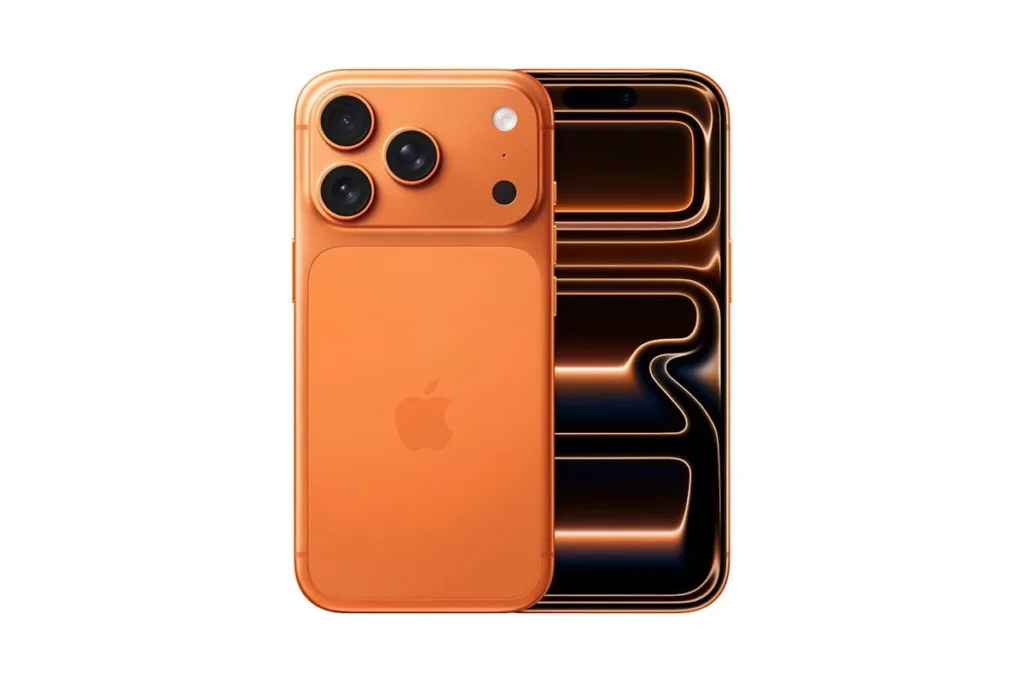
The iPhone 17 Pro Max leads overall video playback time, while the Galaxy S26 Ultra recharges faster during daily routines. Advanced silicon-carbon battery technology allows manufacturers to fit larger energy capacities inside slimmest device frames.
Apple equips the iPhone 17 Pro Max with a 5088 mAh battery that delivers over 20 hours of continuous web browsing on 5G networks. Samsung fits a 5000 mAh battery into the Galaxy S26 Ultra, supporting 60W wired charging that boosts the battery from zero to 65 percent in 20 minutes. The Google Pixel 10 Pro houses a 4870 mAh cell that charges wirelessly at 15W using new Qi2 magnetic alignment.
According to global market report data from Counterpoint Research, consumer demand for smartphones with high-efficiency 3 nm chipsets drove flagship market growth past 19 percent year-over-year. Efficient CPU cores reduce idle background power drain by up to 25 percent compared to older chip generations.
How Does On-Device AI Change Daily Phone Usage?
On-device AI executes complex voice commands, summarizes lengthy text articles, and edits high-resolution photographs without requiring cloud connectivity. Smart features operate privately on your device while preserving mobile data usage.
Google Pixel 10 Pro introduces Magic Cue, an agentic system that scans active messages or call notes to surface relevant flight details, calendar invites, or directions in real time. Samsung Galaxy S26 Ultra integrates Galaxy AI features directly into its camera subsystem, utilizing a 1 billion parameter diffusion model to upscale digital zoom shots up to 100x magnification. Apple Intelligence on the iPhone 17 Pro Max processes live voice prompts to organize personal schedules, summarize audio recordings, and filter incoming notifications automatically.
Industry benchmark tests from GeekBench 6 show that dedicated Neural Processing Units (NPUs) built into 2026 chipsets run machine learning tasks three times faster than 2024 processors while using 40 percent less power.
Which Mobile Processor Takes Top Spot for Speed and Gaming?
The Qualcomm Snapdragon 8 Elite Gen 5 inside the Galaxy S26 Ultra dominates raw graphics benchmarks, making it the strongest choice for mobile gaming.
Samsung powers the S26 Ultra with an octa-core Oryon V3 CPU setup reaching clock speeds up to 4.74 GHz paired with an Adreno 840 GPU. The Apple A19 Pro chip inside the iPhone 17 Pro Max leads single-core computing tests with a GeekBench score above 3800 points. Google uses its custom Tensor G5 chip built on TSMC 3 nm process nodes to optimize system efficiency and local machine learning tasks.
| Benchmark & Performance Test | Samsung Galaxy S26 Ultra | Apple iPhone 17 Pro Max | Google Pixel 10 Pro |
| GeekBench 6 Single-Core | 3,753 Points | 3,890 Points | 2,894 Points |
| GeekBench 6 Multi-Core | 11,259 Points | 10,450 Points | 6,195 Points |
| 3DMark Wild Life High | 7,801 Points | 7,120 Points | 3,400 Points |
| Peak Display Brightness | 2,600 Nits | 3,000 Nits | 3,300 Nits |
| Base System RAM | 12 GB LPDDR5X | 12 GB LPDDR5X | 16 GB LPDDR5X |
Do Display Upgrades Make Outdoor Viewing Clearer?
Yes, new display panels reaching up to 3300 nits peak brightness eliminate glare when reading screens outside under heavy sunlight. High refresh rates automatically adjust from 1 Hz up to 120 Hz to save battery when viewing static images.
Google Pixel 10 Pro features a 6.3-inch Actua LTPO OLED screen peaking at 3300 nits brightness with 480 Hz PWM dimming to reduce eye strain. Samsung Galaxy S26 Ultra uses a 6.9-inch Dynamic AMOLED panel with Corning Gorilla Glass Armor 2 glare-reduction coating that cuts ambient surface reflections by 75 percent. Apple iPhone 17 Pro Max offers a 6.9-inch Super Retina XDR screen with Ceramic Shield 2 protection for improved drop resistance.
Both Samsung and Apple models support full 10-bit color reproduction, HDR10+, and dynamic refresh rates that preserve smooth scrolling across social feeds and system menus.
Which Camera System Captures the Best Photos and Videos?
Samsung wins for raw zoom distance and megapixel count, while Apple provides superior video recording stability and natural color tone balance.
The Galaxy S26 Ultra packs a quad camera arrangement featuring a 200 MP ISOCELL HP2 main sensor, 50 MP ultrawide lens, 10 MP 3x telephoto, and 50 MP 5x periscope optical zoom. Apple iPhone 17 Pro Max uses triple 48 MP sensors across its main, ultrawide, and 5x telephoto cameras to shoot 4K video at 120 frames per second with Dolby Vision HDR. Google Pixel 10 Pro utilizes a 50 MP main sensor paired with 48 MP ultrawide and 48 MP 5x telephoto lenses, supported by cloud-based 8K video upscaling.
Photographic test results indicate that multi-frame HDR processing on all three flagships reduces noise in night shots by 30 percent while preserving texture detail in shadowed areas.
Are Emergency Satellite Services Worth Having?
Yes, built-in satellite SOS communication provides a critical safety layer when traveling through rural areas or location dead zones without cellular network towers.
All three flagship models support emergency text messaging, location sharing, and roadside assistance via direct satellite links. The Google Pixel 10 Pro integrates emergency SOS through its Exynos 5400 modem, allowing users to contact emergency services without active mobile data plans. Samsung and Apple provide similar satellite safety features alongside crash detection and automated fall detection alerts.
Hardware durability standards across all three devices feature IP68 dust-tight and water-resistant builds capable of surviving submersion in 1.5 meters of fresh water for 30 minutes.
Which 2026 Flagship Smartphone Should You Buy?
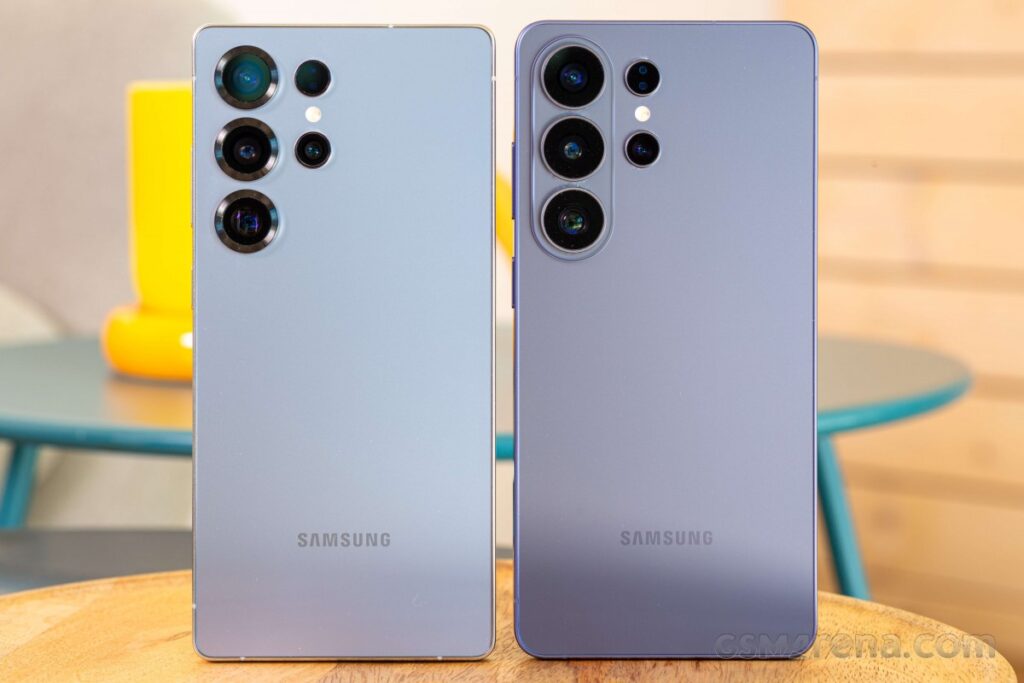
Buy the Samsung Galaxy S26 Ultra if you want top gaming performance, S-Pen stylus productivity, and 200 MP camera versatility. Choose the Apple iPhone 17 Pro Max if you prefer maximum battery life, smooth 4K 120fps video recording, and seamless iOS integration. Pick the Google Pixel 10 Pro if you want useful on-device AI features, 16 GB RAM, ultra-bright 3300 nit display, and direct Google software updates for seven full years.
Also Read: google photos introduces ai powered video