

 By Collins Sarkodieh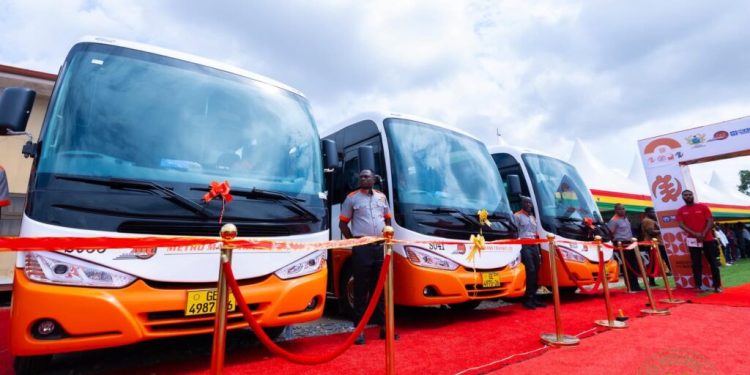
The Minister for Transport, Joseph Bukari Nikpe, has clarified the government’s plan regarding the recently commissioned 100 Metro Mass Transit Limited buses.
Many commuters in Accra expected these new vehicles to immediately ease congestion within the capital. However, the government has designated these buses for a different purpose.
The current strategy involves distributing the 29-seater buses to various regions across the country. These new vehicles will replace the older, larger buses that currently serve those regional routes.
Once these regions receive the newer 29-seater buses, the larger high-occupancy buses will return to urban centers like Accra. This logistical shuffle aims to strengthen the overall national transport network rather than focusing solely on one city.
The Ministry of Transport maintains that this phased approach will create a more efficient public transit system nationwide. Bringing these larger buses into the intracity arrangement allows for better management of urban commuter needs.
Consider these key factual insights regarding the ongoing transport fleet expansion and refurbishment process:
- The 100 newly commissioned Metro Mass Transit buses are 29-seater models specifically allocated to regional routes to replace existing high-occupancy fleet members.
- The government has already successfully retrieved 10 high-occupancy buses from the regions to begin the refurbishment process.
- Technical teams are currently working in workshops to restore these larger vehicles to ensure they meet safety standards before they start operating within urban centers.
- The Ministry expects to complete the refurbishment of the first batch of these redeployed buses for delivery next week.
- This strategy prioritizes long-term systemic stability by upgrading regional capabilities while simultaneously reinforcing the high-capacity fleet for major urban areas.
The refurbishment effort ensures that every bus remains fit for service before it hits the road. While commuters in the capital might feel impatient, this plan creates a more balanced distribution of transport resources across Ghana.
Effective public transportation requires more than just buying new vehicles. It demands a smart strategy that considers the needs of both rural commuters and busy city residents who rely on high-occupancy buses every single day.
We hope that these technical teams work quickly to get those refurbished buses on the road. A more connected country benefits everyone, and keeping the fleet in good shape is the best way to move Ghana forward.
Also Read: Government Boosts Public Transport with 140 New Buses for STC
Source: ghananewspage.com