

 By Emmanuel Bamfo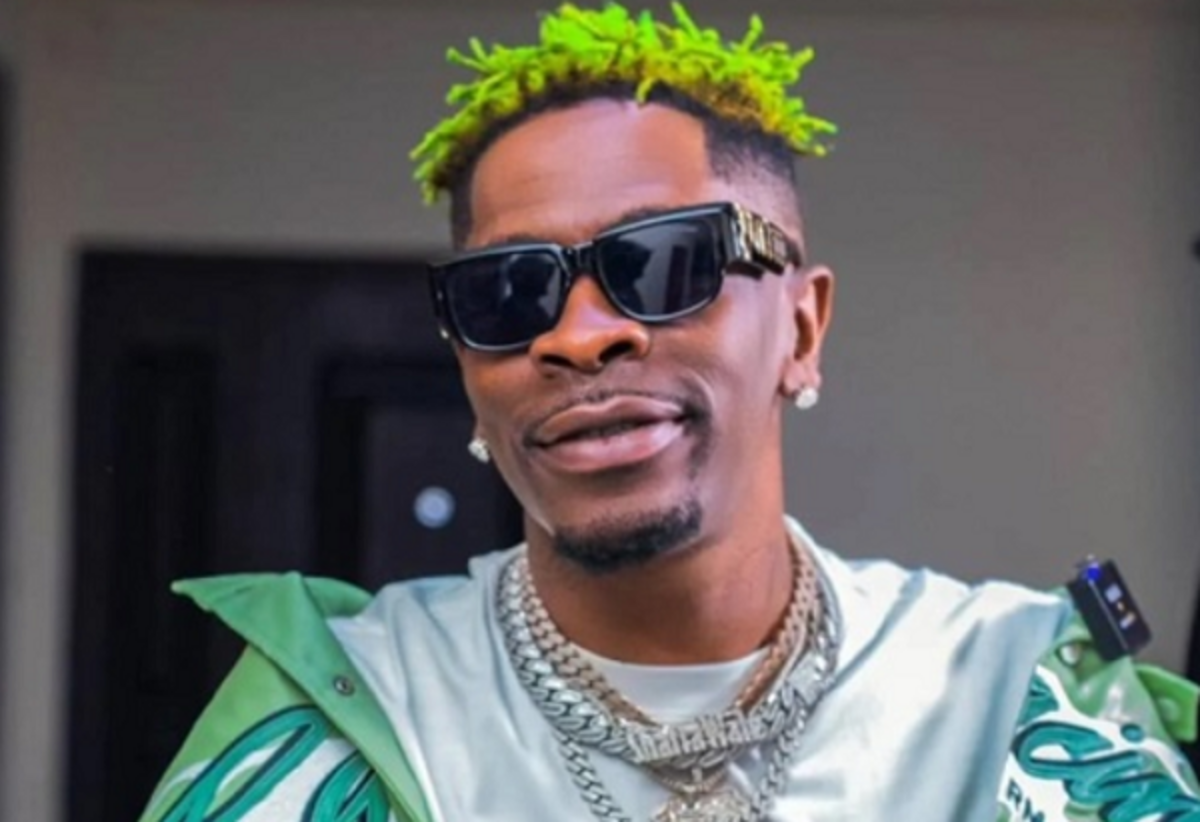
Are you trying to figure out how a local boy from Accra conquered the global music scene against all odds? For years, music lovers and critics have argued about the secret behind the massive success of Ghana’s dancehall king.
The absolute truth is that Shatta Wale transformed Ghanaian show business through pure resilience, aggressive self-branding, and deep grassroots connection. His story provides a flawless masterclass in overcoming industry rejection to build a massive global empire.
Understanding his evolution reveals exactly how modern African musicians can bypass traditional gatekeepers. Let us break down how Charles Nii Armah Mensah Jr. changed the game forever.
How Did Bandana Die to Give Birth to Shatta Wale?
Shatta Wale completely rebranded his career after his initial identity failed to sustain momentum in the early 2000s. He disappeared from the music scene for nearly a decade to reinvent his sound, coming back with a hardcore street appeal.
Many fans remember him as Bandana, the young artist who dropped the hit single “Moko Hoo” in 2004. Sadly, the glitz and glamour faded quickly, leaving him broke and abandoned by industry promoters who once praised him.
Instead of throwing in the towel, he went back to the studio in the slums of Nima to study the digital music space. He changed his name to Shatta Wale, dropped the soft hiplife vibes, and adopted an aggressive dancehall style.
According to data from local entertainment archives, his 2013 comeback track “Dancehall King” became a massive turning point. The song instantly won him the Artiste of the Year at the 2014 Ghana Music Awards, proving that strategic rebranding can save a dying career.
Why Do the Streets of Ghana Worship the Shatta Movement?
The Shatta Movement operates like an unstoppable religion because the artist positions himself as the voice of the underprivileged. He creates music that speaks directly to the daily struggles, frustrations, and hopes of ordinary ghetto youth.
You cannot walk through the busy markets of Makola or the streets of Ashaiman without hearing his voice blasting from speakers. He deliberately rejects the elite corporate image to stay down-to-earth with the common people who buy his music.
Industry research shows that the Shatta Movement is one of the largest fan bases in Africa, comparable to Nigeria’s Wizkid WizLion. His followers do not just stream his songs; they actively defend his brand online and offline with fierce loyalty.
By giving his fans a sense of identity and belonging, he built a bulletproof marketing machine. He relies on his street army to push his songs to the top of the charts without spending heavily on radio promotions.
Did the Beyoncé “Already” Collab Change the Global Game?
The historic collaboration with Beyoncé on the “Already” track solidified Shatta Wale’s status as a global musical powerhouse. It proved to the entire world that local Ghanaian talent could command international attention without changing their unique style.
When Queen Bey curated her iconic The Lion King: The Gift album, she specifically searched for authentic African kings. Landing that feature was not luck; it was validation of his relentless work ethic and unique sonic identity.
Billboard and Spotify streaming metrics confirmed that the track exposed Ghana’s dancehall culture to millions of new listeners worldwide. The official music video showcased local dancers, putting the raw energy of Accra directly on global television screens.
The project earned him massive respect across the international music community, proving that staying true to your roots opens major doors. It broke down the old narrative that African artists must move abroad before they can achieve true global dominance.
How Does Shatta Wale Make and Multiply His Huge Fortune?
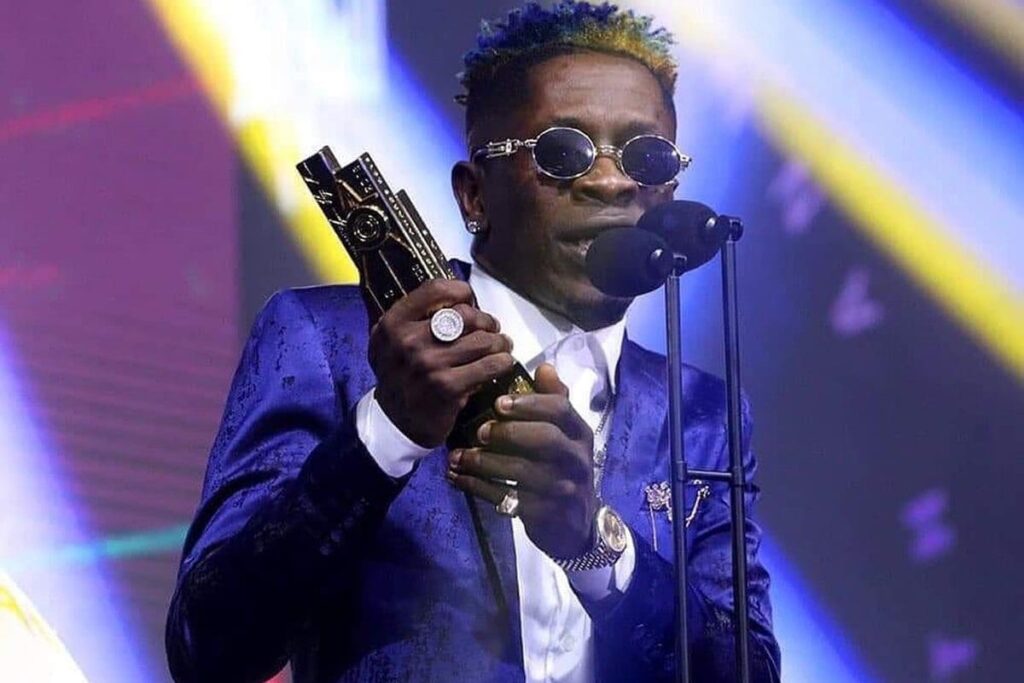
Shatta Wale makes his millions through a diverse mix of heavy music streaming royalties, sold-out stadium concerts, and smart business investments. He does not put all his financial eggs in one musical basket, which protects his wealth from industry shifts.
In several trusted media interviews, including statements tracked by financial blogs, his net worth sits comfortably in the millions of dollars. He owns multiple luxury mansions in premium Accra neighborhoods like East Legon and rolls in customized sports cars.
Beyond the music, he launched “Shaxi,” a successful local ride-hailing service aimed at creating sustainable jobs for Ghanaian youth. This business move showed his transition from just an entertainer to a serious corporate executioner.
He also secures highly lucrative brand endorsement deals with major telecommunication companies, beverage brands, and real estate firms. His financial model proves that modern musicians must think like corporate entities to stay wealthy for the long haul.
What is the Real Secret Behind His Consistent Success?
The ultimate secret to his long-lasting relevance is his mastery of controversy and his high-speed, independent music production model. He knows exactly how to manipulate media headlines to keep his name trending every single week.
While other artists wait months for professional studios, Shatta Wale produces hundreds of tracks right inside his home studio. This independent setup allows him to drop hit songs instantly whenever a new trend captures the public eye.
He understands the psychological mechanics of the internet age perfectly, using public beefs to stay relevant while dropping sweet melodies. Even his harshest critics admit that his marketing mind is one of the sharpest the continent has ever seen.
By combining raw street smarts with solid digital distribution, he remains an absolute force in the African music landscape. Shatta Wale did not just join the Ghanaian music industry; he forced the industry to run on his own terms.
How Does His Strategic Business Model Redefine Musician Wealth?
Shatta Wale treats his brand strictly as a diversified investment portfolio rather than a simple creative outlet. This sharp approach allows him to generate cash flow from completely non-musical sectors, cementing his position among Africa’s financial elite.
Public data confirms that he has poured over 2 million dollars into his homegrown tech ventures, providing massive employment opportunities within Accra. By owning the transport infrastructure through Shaxi, he has created an active ecosystem where the streets actively fund his brand while benefiting from it directly.
His real estate strategy is equally aggressive, focusing on high-value land acquisitions in premium neighborhoods where property appreciation outpaces inflation. This balance of digital streaming assets, tech startups, and premium physical assets serves as a blueprint for young African creatives aiming for multi-generational wealth.
Also Read: wealth and businesses of ghanas music stars