

 By Collins Sarkodieh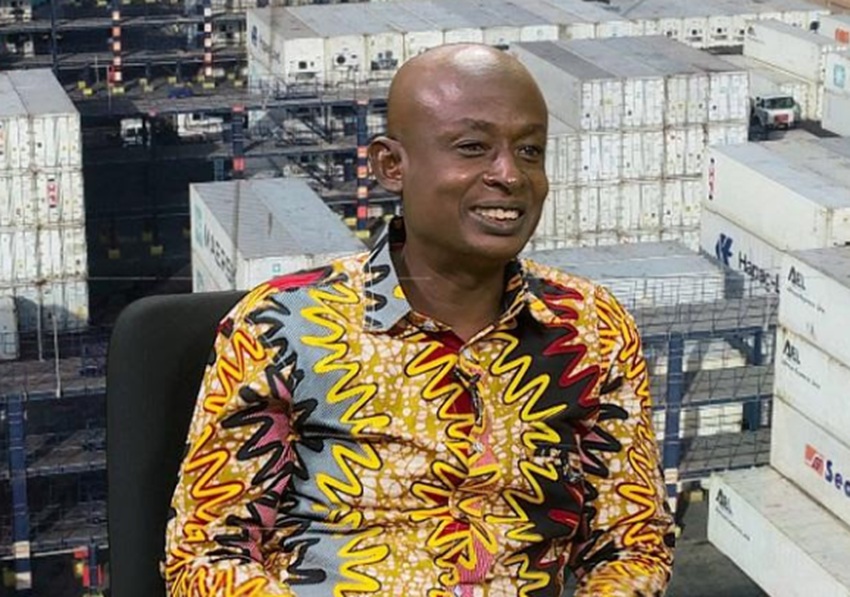
Have you ever watched a cargo ship dock and wondered why your imported goods take forever to clear customs? I hate waiting weeks for packages, and local businesses bleed cash every single day because of port bottlenecks.
The International Chamber of Commerce (ICC) Ghana recently dropped some hard truths about this commercial mess. Port inspection delays are increasing the cost of doing business, and nobody wins when logistics drag on forever.
The Real Cost of Waiting at Ghana’s Ports
Mr. Emmanuel Doni-Kwame, the Secretary-General of ICC Ghana, spoke at a recent media forum hosted by the Ghana Ports and Harbours Authority (GPHA). He laid out a clear picture of the financial damage that port delays cause. Businesses face massive demurrage charges because containers sit idly in port yards instead of moving to warehouses. Importers pass these extra expenses straight to everyday consumers. That means you pay higher prices for goods simply because government agencies move too slowly.
-
Demurrage Fees: Importers pay heavy daily penalties for delayed container pickups.
-
Cash Flow Disruption: Tied-up capital starves growing businesses of operating funds.
-
Consumer Inflation: Retailers shift rising port expenses onto ordinary shoppers.
Why do port managers tolerate these expensive holdups? Outdated administrative habits and paper-heavy verification processes keep containers locked behind bureaucratic gates. Freight forwarders spend productive hours chasing signatures across multiple offices. Business owners deserve a smoother path when moving commercial inventory through national borders.
Why Are Too Many Containers Facing Inspections?
Ghana proudly ratified the World Trade Organisation (WTO) Trade Facilitation Agreement years ago. This agreement promises smooth, streamlined borders designed to speed up global trade. Yet, reality punches importers right in the face. A shocking proportion of containers still undergo rigorous physical checks. Customs officials treat almost every shipment like a potential smuggling operation.
Why do authorities inspect so many low-risk boxes? Lack of automated risk-profiling tools and cautious bureaucracies create endless bottlenecks. Freight forwarders tear their hair out while waiting for clearance approvals. Importers watch their profit margins evaporate in real-time. The system clearly needs a massive operational overhaul.
The Myth of Risk Management
Customs authorities claim they protect national security through 100% physical checks. However, blanket inspections punish honest traders alongside bad actors. Smart border agencies rely on data analytics instead of brute-force physical searching. Modern scanning equipment should speed up processing times rather than create longer queues.
The Authorized Economic Operator (AEO) Solution
Mr. Doni-Kwame champions a smarter approach known as the Authorized Economic Operator (AEO) programme. This initiative builds trust between Customs authorities and compliant private companies. Businesses with stellar track records deserve fast-track clearance channels. Rewarding compliance encourages more companies to play by the rules.
-
Risk-Based Sorting: Authorities separate high-risk shipments from reliable corporate partners.
-
Reduced Physical Checks: Trusted operators skip unnecessary, time-consuming container openings.
-
Capacity Building: ICC Ghana plans to help local companies meet strict AEO standards.
Implementing this programme universally transforms the entire import landscape. Companies invest in compliance when they see tangible time savings at the port. Customs officers focus their limited energy on actual high-risk targets. Trust replaces suspicion in everyday port operations.
Fixing Joint Inspections and Bureaucracy
Multiple government agencies descend on cargo containers during inspections. Each agency operates on its own timeline, creating a bureaucratic nightmare. One department finishes its check, while another department takes three days to show up. This disjointed approach wastes precious time and frustrates logistics providers.
Mr. Doni-Kwame suggests a practical fix for this coordination disaster. The agency responsible for the longest delay should take command of the schedule. When all relevant bodies inspect consignments simultaneously, turnaround times plummet. Coordinated joint inspections eliminate redundant steps and clear terminal yards faster.
Streamlining Inter-Agency Communication
Government departments operate in isolated silos too often. Shared digital platforms allow inspectors to view real-time document updates instantly. Joint inspection bays keep physical checks centralized in one convenient location. Simple administrative tweaks yield massive productivity gains.
Protecting Ghana’s Regional Competitiveness
Ghana holds a strong trade position within Africa, recording a solid trade surplus recently. Regional trade partners like Burkina Faso, Côte d’Ivoire, and Togo rely heavily on efficient logistics corridors. Slow port operations threaten this hard-earned commercial advantage. Importers might redirect their shipments through rival West African ports if local bottlenecks persist.
Efficiency drives regional trade dominance. Nigeria and other neighbors watch Ghana’s logistics performance very closely. Improving port predictability attracts foreign direct investment and boosts domestic manufacturing. Cutting red tape secures Ghana’s status as West Africa’s premier trade gateway.
Port inspection delays drain financial resources and choke economic growth. ICC Ghana provides a sensible roadmap to fix these systemic bottlenecks through better agency coordination and the AEO programme. Businesses deserve a predictable, fast port system that rewards compliance rather than punishing it. IMO, fixing this issue unlocks massive economic potential for the entire country. Let us hope policymakers listen before logistics costs spiral completely out of control.
Also Read: GRA Banned Imports List Sparks Online Buzz