

 By Ghana News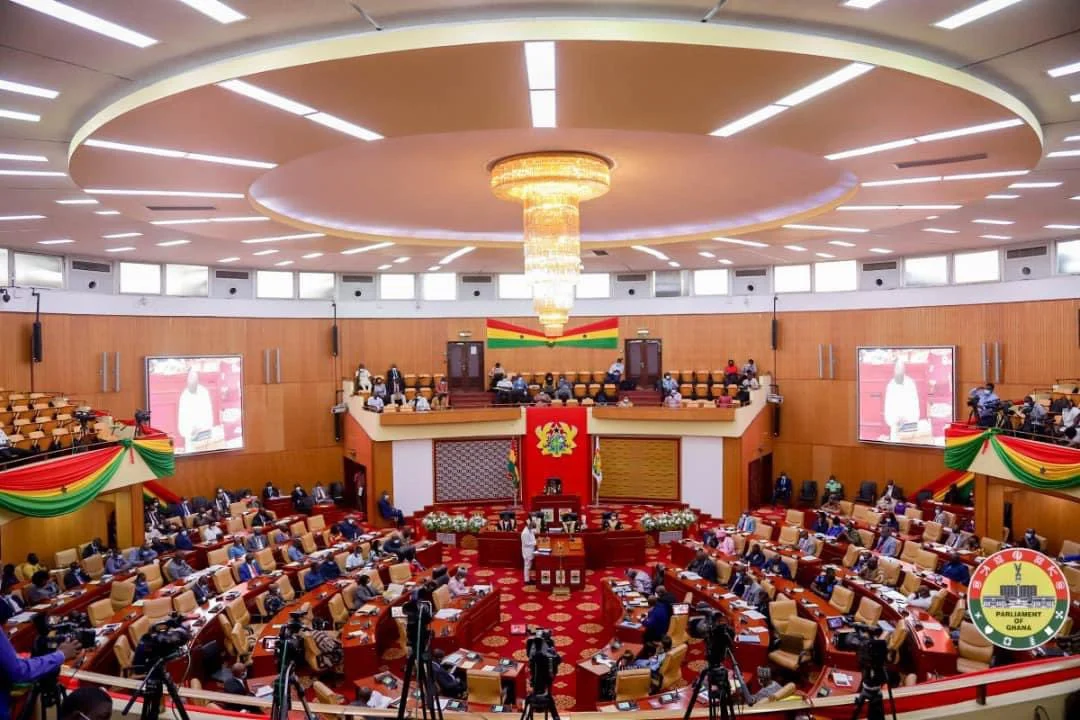
Navigating the New Legislative Landscape: Inside Ghana’s Ninth Parliament Dynamics. The Ninth Parliament of Ghana has ushered in a historic power shift that is redefining how the country is governed.
With the National Democratic Congress (NDC) now holding the majority with 185 seats and the New Patriotic Party (NPP) moving into a minority position with 87 seats plus four independent members caucusing with the NDC the legislative atmosphere is more intense than ever.
This transition has fundamentally altered the day-to-day operations of the House. Strategic legislative roadblocks, spirited floor confrontations, and a renewed focus on accountability have become the new normal as the NPP maneuvers through its role as the minority and the NDC asserts its control.
Why is the new parliamentary majority reshaping national governance?
Legislative power in Ghana now hinges on the NDC’s ability to manage its majority while the NPP reposition itself as a “government-in-waiting.” This dynamic forces both sides to sharpen their legislative strategies to influence public trust ahead of the 2028 general elections.
The shift has led to several notable changes in the chamber:
- The NDC, holding 185 seats, now carries the primary responsibility for maintaining a quorum, a task they have occasionally struggled with, leading to vocal criticism from the NPP minority.
- The NPP minority, led by Alexander Afenyo-Markin, has adopted a more aggressive stance, consistently challenging government policies such as tax impositions and the handling of national sectors like agriculture.
- With 115 first-term Members of Parliament (MPs) representing nearly 42% of the House, there is a significant influx of fresh perspectives, which often fuels the high-stakes floor debates seen in recent sessions.
The friction between the majority and minority has been characterized by intense debates and occasional walkouts. These confrontations are not just political theater; they are direct responses to the government’s management of national priorities.
For instance, the vetting process for ministerial and judicial appointees has seen significant tension, including incidents of physical confrontation and property damage. These moments highlight the fragile balance of power and the high stakes involved for both the NDC and the NPP as they compete to steer the country’s economic and social policy.
The NPP’s role as the minority is defined by its commitment to resisting government overreach and providing robust oversight. By questioning the administration on issues like the suspected reintroduction of the E-levy through mobile money charges and alleged mismanagement, the NPP aims to keep the government on its toes.
The party has been urged by its leadership to align all parliamentary strategies toward winning back public confidence. This focus on accountability serves as a critical check on the executive branch, ensuring that even with a majority, the NDC must remain responsive to legislative and public scrutiny.
As the Ninth Parliament continues to evolve, the interplay between NDC’s legislative agenda and the NPP’s oversight strategy will remain the most significant factor in Ghana’s political landscape. Citizens can expect continued volatility, but also a more rigorous vetting process for the laws and policies that shape their daily lives.
This video is relevant because it captures the current political strategy of the NPP as they adjust to their minority role and prepare for the 2028 elections.
Also Read: Speaker Alban Bagbin Clarifies Ghana Police Do Not Need Permission To Arrest MPs
Source: ghananewspage.com