

 By Collins Sarkodieh
President John Dramani Mahama has approved the immediate evacuation of 300 Ghanaians from South Africa following a surge in targeted xenophobic violence. The directive ensures that citizens currently in high-risk zones are brought home safely to prevent further loss of life or property. This emergency intervention highlights the government’s commitment to protecting its diaspora during international humanitarian crises.
The decision to evacuate 300 Ghanaians comes after several days of escalating tension where foreign-owned businesses and individuals were targeted in various South African provinces. While diplomatic efforts continue between Accra and Pretoria to address the root causes of the unrest, the immediate priority is the physical safety of those most vulnerable to the attacks.
The Ministry of Foreign Affairs and Regional Integration is coordinating with Ghana’s High Commission in Pretoria to streamline the logistics of the airlift. This rapid response aims to provide relief to families in Ghana who have been anxious about the safety of their relatives abroad during this 2026 crisis.
Why did President Mahama evacuate Ghanaians from South Africa in 2026?
President Mahama ordered the evacuation to protect 300 Ghanaians from life-threatening xenophobic attacks that have recently spiked across South Africa. The move is a proactive measure to ensure that Ghanaian citizens do not become casualties of the ongoing civil unrest. By providing a state-sponsored exit, the government is fulfilling its mandate to provide security for its people regardless of their geographic location.
The 2026 xenophobia crisis has seen a rise in anti-foreigner sentiment, leading to the displacement of many West African migrants. When diplomatic assurances are no longer enough to guarantee safety on the ground, evacuation becomes the most logical and humane step to take.
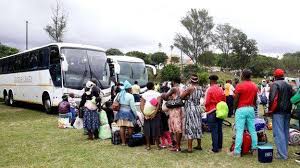
For those being evacuated, the process involves moving from volatile townships to secured transit points before boarding flights back to Accra. This specialized operation requires high-level cooperation between the Ghanaian Air Force and South African airport authorities to ensure a smooth transition through Schiphol or other major African transit hubs.
What are the logistics for the evacuation of the 300 Ghanaians?
The government is mobilizing charter flights to transport the 300 Ghanaians back to the Kotoka International Airport (KIA) in Accra. The High Commission in South Africa has opened a registration portal for citizens to identify themselves and receive travel documents if theirs were lost or destroyed during the riots. Priority is being given to women, children, and those who have already lost their livelihoods to the violence.
Coordinating a 300-person airlift during a crisis is a complex feat of logistics that involves vetting, medical screening, and local transport. The Ghanaian government has allocated emergency funds to cover the costs of the flights, ensuring that no citizen is left behind due to a lack of personal resources.
Upon arrival in Accra, the returnees will receive psychological support and temporary reintegration assistance. The National Disaster Management Organisation (NADMO) is expected to play a key role in processing the 300 individuals and helping them reunite with their families across different regions of Ghana.
How is the 2026 xenophobia crisis affecting Ghana-South Africa relations?
The crisis has placed significant diplomatic strain on the relationship between Accra and Pretoria, forcing a re-evaluation of current bilateral agreements. While Ghana respects South Africa’s sovereignty, the need to evacuate citizens suggests a temporary breakdown in the local authorities’ ability to protect foreign nationals. Both nations are now under pressure to find long-term solutions to migration and economic integration within the African Union framework.
President Mahama’s decision to evacuate 300 Ghanaians sends a strong message that the safety of citizens is a prerequisite for continued diplomatic harmony. South African officials have expressed regret over the violence, but the physical evacuation remains a necessary “hard power” move to de-escalate the anxiety of the Ghanaian public.
In the long run, this incident may lead to stricter travel advisories and a shift in how West Africans view South Africa as a destination for work and investment. The 2026 crisis serves as a reminder that economic stability in the sub-region is fragile and requires constant pan-African cooperation to maintain.
Key Factual Insights into the 2026 Xenophobia Crisis:
- Target Population: The government has identified an initial group of 300 Ghanaians specifically in high-risk areas for immediate evacuation.
- Historical Context: This isn’t the first time such attacks have occurred, but the 2026 surge is noted for its intensity and rapid spread.
- State Funding: The entire evacuation of the 300 citizens is being funded by the Ghanaian government to ensure accessibility.
- Agency Involvement: The Ministry of Foreign Affairs and the High Commission in Pretoria are the lead agencies for this operation.
- Safety Protocols: Returnees will undergo mandatory health and security screenings upon arrival at Kotoka International Airport.
- Diplomatic Pressure: Ghana is joined by other African nations in calling for a permanent end to xenophobic rhetoric in South Africa.
What is the long-term plan for the returnees arriving in Accra?
The long-term plan involves a reintegration program designed to help the 300 returnees start new businesses or find employment within the Ghanaian economy. The government intends to use the GETFund and other social intervention programs to provide the necessary capital for those who lost their businesses in South Africa. This ensures that the evacuation is not just a temporary escape but a path toward a sustainable future at home.
Reintegration is often the hardest part of any evacuation. Many of these 300 individuals have lived in South Africa for years and may find it difficult to adjust to the current economic landscape in Ghana. By providing vocational training and small-scale grants, the state hopes to turn a tragic situation into an opportunity for domestic growth.
Community leaders in Ghana are also being encouraged to welcome the returnees without stigma. The “Homecoming” initiative will focus on ensuring that the trauma of the xenophobia crisis does not hinder the potential of these citizens to contribute to Ghana’s 2026 development goals.
The decision by President Mahama to evacuate 300 Ghanaians from South Africa is a definitive statement on the value of Ghanaian life. While the xenophobia crisis is a complex socio-economic issue, the immediate physical safety of citizens must always come first. By acting swiftly in 2026, the government has prevented a potential tragedy and reaffirmed its commitment to its people worldwide.
As the 300 returnees prepare to touch down in Accra, the focus remains on their healing and future. The lessons learned from this crisis will undoubtedly shape Ghana’s foreign policy and migration strategies for years to come. For now, the most important outcome is that 300 of our brothers and sisters are coming home.
Also Read: Diplomacy in Action: Ghana Secures Safety of Citizens Following South Africa Xenophobia Concerns