

 By Ishmeal
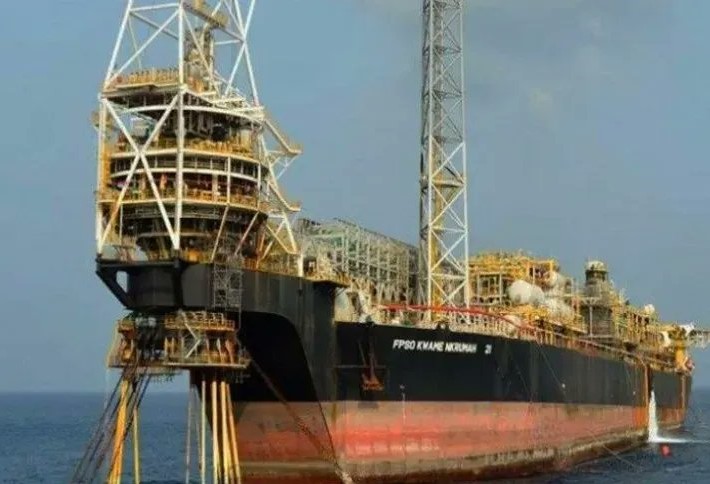
The Public Interest and Accountability Committee (PIAC) has urged the government to develop a comprehensive framework to attract investment into Ghana’s existing petroleum-producing fields.
The committee believes that improving investment in already producing oil fields is important to sustaining production, strengthening the petroleum sector and protecting the country’s revenue from oil and gas resources.
The recommendation comes amid concerns about the need to maintain production from existing fields and encourage further investment in Ghana’s upstream petroleum industry.
PIAC’s call highlights the importance of creating policies that support continued exploration, improved field development and the efficient management of the country’s petroleum resources.
PIAC Calls for a Clear Investment Framework
PIAC wants the government to establish a framework that encourages investors to commit resources to existing producing fields.
Such a framework could help address challenges that discourage investment, provide clearer direction for industry participants and encourage petroleum companies to pursue opportunities that could extend the productive life of existing fields.
Developing mature oil fields often requires additional investment in technology, infrastructure, maintenance and further exploration to identify recoverable reserves.
A well-designed policy framework could help create conditions for companies to make those investments while ensuring that Ghana continues to benefit from its petroleum resources.
The government would also need to consider the interests of the state, investors and the wider public when designing measures to support investment.
Why Investment in Existing Fields Matters
Ghana’s petroleum industry contributes to government revenue, employment and economic activity. However, production from existing fields can change over time as reservoirs mature and extraction becomes more challenging.
Investment can help companies improve recovery rates, maintain infrastructure and assess whether additional resources can be commercially developed.
Without sufficient investment, ageing fields may experience declining production, potentially affecting the revenue Ghana receives from petroleum operations.
PIAC’s recommendation therefore draws attention to the importance of sustaining investment in existing fields rather than relying only on the discovery and development of new petroleum resources.
Improving the performance of current fields could help support production and extend the period during which the country benefits from them.
Potential Benefits for Ghana’s Petroleum Revenue
Petroleum revenue plays a role in supporting national development and public spending. Measures that sustain production could help protect this source of revenue, although the actual outcome would depend on investment levels, oil prices, operating costs and the performance of individual fields.
A clear framework could also provide greater certainty for companies considering new projects or additional investment in existing operations.
However, attracting investment would require more than policy announcements. The government would need to identify the barriers facing operators and determine which regulatory, commercial or fiscal measures could address them effectively.
Any incentives or reforms would also need to balance investor interests with Ghana’s responsibility to secure fair returns from its petroleum resources.
Government Response and the Way Forward
PIAC’s recommendation places the responsibility on government to consider how existing producing fields can remain commercially viable and continue contributing to the economy.
The next steps would involve engaging petroleum companies and relevant regulators, assessing the challenges affecting investment and developing measures that encourage responsible field development.
The framework would also need to support transparency, accountability and effective oversight to ensure that investment decisions serve the country’s long-term interests.
PIAC’s proposal highlights a broader issue facing Ghana’s petroleum sector: how to sustain production and revenue from existing resources while planning for the industry’s future.
Whether the recommendation leads to new policies or investment measures will depend on the government’s response and the details of any framework eventually introduced.
Also Read:Mcbrown Praises Sarkodie After Kumasi Rapperholic