

 By Collins Sarkodieh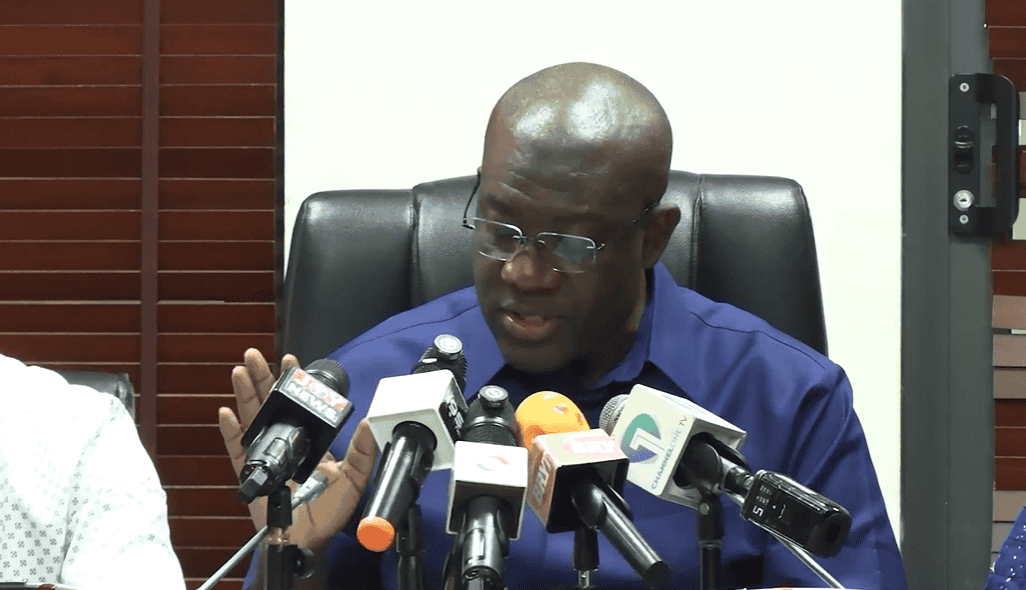
The New Patriotic Party has raised serious concerns about Ghana’s long term debt sustainability, warning that accelerated government borrowing threatens international bailout targets. Speaking ahead of the 2026 Mid Year Budget Review, Ranking Member of the Economy and Development Committee, Kojo Oppong Nkrumah, urged the Finance Ministry to reconcile conflicting public debt statistics.
Conflicting financial disclosures between state institutions generate unnecessary market uncertainty for local and international investors. Presenting unified financial metrics remains vital to maintaining investor confidence and ensuring macroeconomic stability across Ghana.
Kojo Oppong Nkrumah pointed out significant discrepancies between domestic financial reports and international economic projections. The Bank of Ghana reported national debt hovering around 45 percent of gross domestic product as of June 2026, while the International Monetary Fund projects debt reaching 53 percent before year end.
Such wide gaps in official debt estimates complicate national economic planning and raise transparency concerns. The Finance Minister must present a single, verifiable figure during the upcoming mid year budget presentation to clarify Ghana’s true fiscal standing.
Ghana’s official bailout agreement with the International Monetary Fund sets a long term debt to GDP target of 55 percent by the end of 2028. However, rapid borrowing trends suggest that the country could cross this threshold much earlier than originally planned.
Exceeding debt thresholds undermines the sacrifices Ghanaian citizens made during fiscal restructuring programs. The government must provide a comprehensive debt sustainability analysis to prove that public borrowing remains within safe, manageable limits.
Parliamentarians are also asking the government to clarify how planned economic GDP rebasing will alter national debt calculations. Rebasing recalculates the total size of the economy, which artificially shrinks debt to GDP ratios on paper without reducing real debt burdens.
Disclosing the exact methodology behind future economic estimates builds public trust and ensures genuine fiscal discipline. Ghanaian taxpayers deserve full transparency regarding how state revenues pay down national debts.
Also Read: IMF Approves $250 Million Credit Facility to Support Rwanda’s Economic Resilience