

 By Ghana News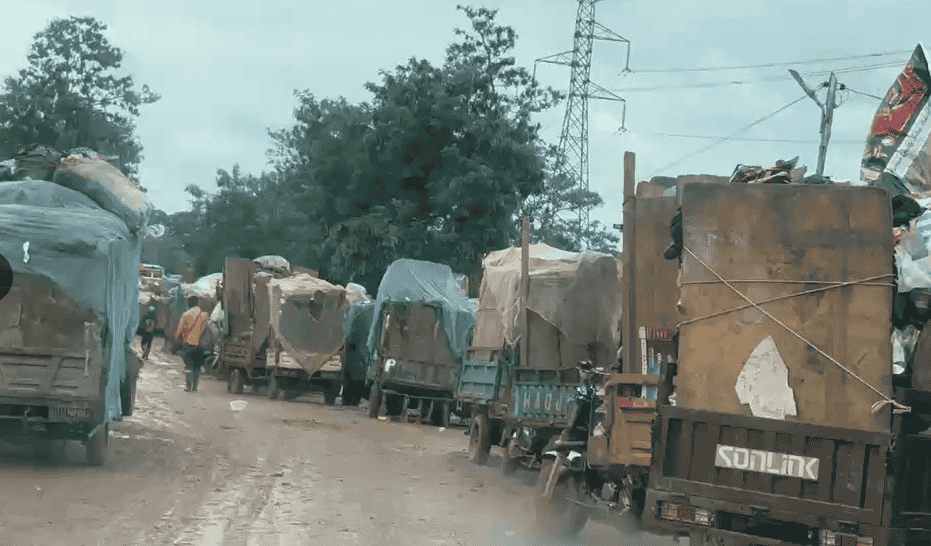
A severe waste management bottleneck has triggered a major environmental demonstration in the Ashanti Region. Dozens of motorized tricycle waste operators are staging a mass protest over the hazardous operational conditions at the Oti Landfill site.
The local service providers say they are completely unable to offload municipal refuse due to persistent infrastructural challenges at the facility, including the total breakdown of heavy waste management compactors and grading equipment.

The operational failure at the central dumping ground has completely disrupted the city’s daily sanitation cycle. Hundreds of tricycle operators have been stranded on the access roads for days, unable to discharge their loads due to the muddy terrain and lack of functional site machinery.
Logic dictates that when a primary metropolitan landfill stops processing incoming refuse, the entire urban supply chain reverses instantly. The resulting backlog has caused massive heaps of exposed garbage to accumulate rapidly along the vital Kaase Kuwait stretch leading directly to the facility. Local commuters and residents in the immediate vicinity are raising urgent alarms over the intense odors, potential health hazards, and environmental contamination risks.
The protesting operators insist that the municipal assembly must deploy emergency replacement engineering equipment immediately to restore normal dumping operations, as they cannot continue to lose daily haulage revenue while the city’s sanitation worsens.
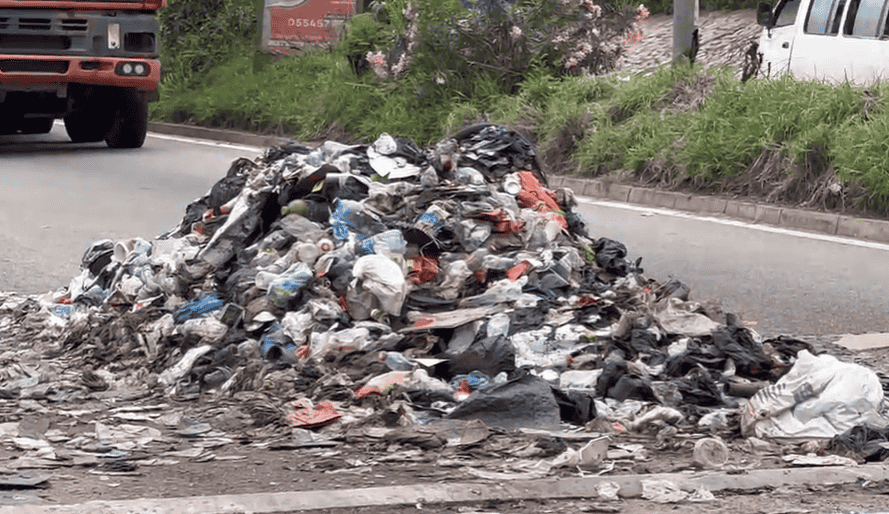
Hoping that an entire metropolitan area can stay clean while leaving its primary landfill dependent on a few unmaintained bulldozers is a major logical misstep. While the tricycle riders are understandably angry about losing their daily wages, the real tragedy is the predictable breakdown of vulnerable urban infrastructure.
True municipal efficiency relies on active preventative maintenance schedules rather than waiting for a public protest to fix critical city machinery. By investing in backup equipment and upgrading the access roads along the Kaase corridor, local authorities can successfully protect public health, secure the livelihoods of low income waste workers, and keep the regional capital free from systemic sanitation crises.

Also Read: Patrick Boamah Demands Structural Investment and Attitudinal Change to End Accra Flooding