

 By Zobia Zulfqar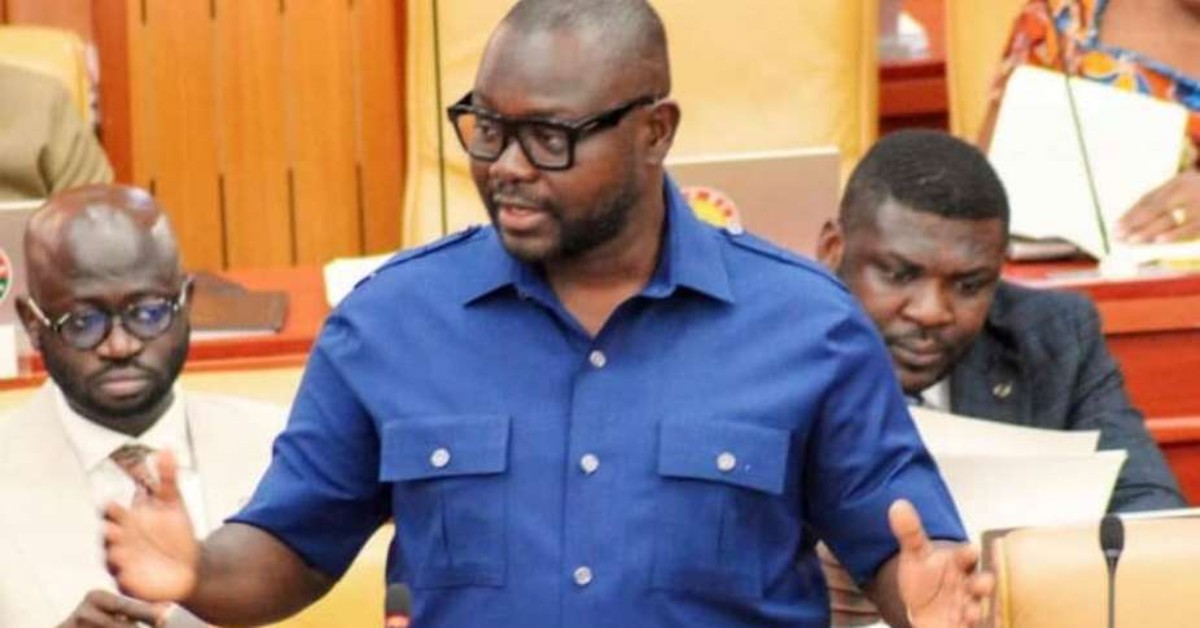
Member of Parliament for Bantama, Francis Asenso-Boakye, has accused the government of slowing down the implementation of critical flood control projects under the Greater Accra Resilient and Integrated Development (GARID) Project, arguing that fiscal restrictions introduced by the Ministry of Finance have significantly delayed work despite full World Bank financing.
The former Minister for Works and Housing made the remarks while reacting to recent flooding in parts of Accra, claiming that a World Bank assessment confirmed that key flood mitigation projects have been stalled because of government-imposed cash flow restrictions.
According to Asenso-Boakye, the GARID Project was progressing steadily before the change in administration, with financing secured, engineering designs completed, and contracts awarded for major drainage and flood prevention works across the capital.
He argued that although the project continues to enjoy full financial backing from the World Bank, implementation has slowed considerably because contractors have not been paid on time due to fiscal measures introduced in 2025.
The Bantama MP explained that delays in processing Interim Payment Certificates have left several contractors unable to continue work, resulting in significant setbacks to projects designed to reduce perennial flooding in Accra.
He maintained that the previous New Patriotic Party (NPP) administration handed over a well-advanced programme that was expected to improve flood resilience across the Greater Accra Region.
According to him, dredging works on the Odaw River had already commenced before the change of government, while contracts had been awarded for the construction of major drainage systems, including the Achimota-Abofu Drain, South Kaneshie Drain and the Dr. Busia Highway Drain.
He also highlighted the Nima-Paloma-Odawna Drain Project, which was already under implementation before work slowed.
Asenso-Boakye further stated that several complementary interventions had either been completed or were ready for execution before funding challenges emerged.
These included the completion of the Atomic East land protection works, the installation of the Accra Flood Early Warning System and preparations to begin procurement for the Atomic East and Atomic West Detention Ponds.
According to the MP, these projects form part of a comprehensive strategy to reduce flooding, protect vulnerable communities and improve drainage infrastructure across Accra.
He argued that suspending or delaying such interventions undermines years of planning and increases the risk faced by residents during the rainy season.
The GARID Project is one of Ghana’s largest urban resilience programmes and is supported by the World Bank to strengthen flood control infrastructure, improve solid waste management and enhance climate resilience in flood-prone communities.
The initiative focuses on reducing the impact of flooding through upgraded drainage systems, environmental restoration, improved urban planning and stronger disaster preparedness.
Asenso-Boakye stressed that maintaining steady implementation is essential because flooding continues to threaten lives, destroy property and disrupt economic activity in the capital each year.
He urged the government to resolve the payment challenges affecting contractors and allow work on ongoing projects to resume without further delay.
The MP argued that delaying internationally funded infrastructure projects because of domestic fiscal constraints could undermine investor confidence and slow Ghana’s broader infrastructure development agenda.
His comments come as concerns continue to grow over recurring floods in Accra following recent heavy rainfall that caused widespread destruction in several communities.
Flooding has repeatedly exposed weaknesses in the city’s drainage network, prompting renewed public debate over the pace of flood control projects and long-term urban planning.
Asenso-Boakye maintained that addressing Accra’s flooding challenges requires continuity in project implementation regardless of changes in government.
He called for stronger collaboration between the Ministry of Finance, implementing agencies and development partners to ensure that critical infrastructure projects are completed on schedule and deliver the intended protection for residents.