

 By Zobia Zulfqar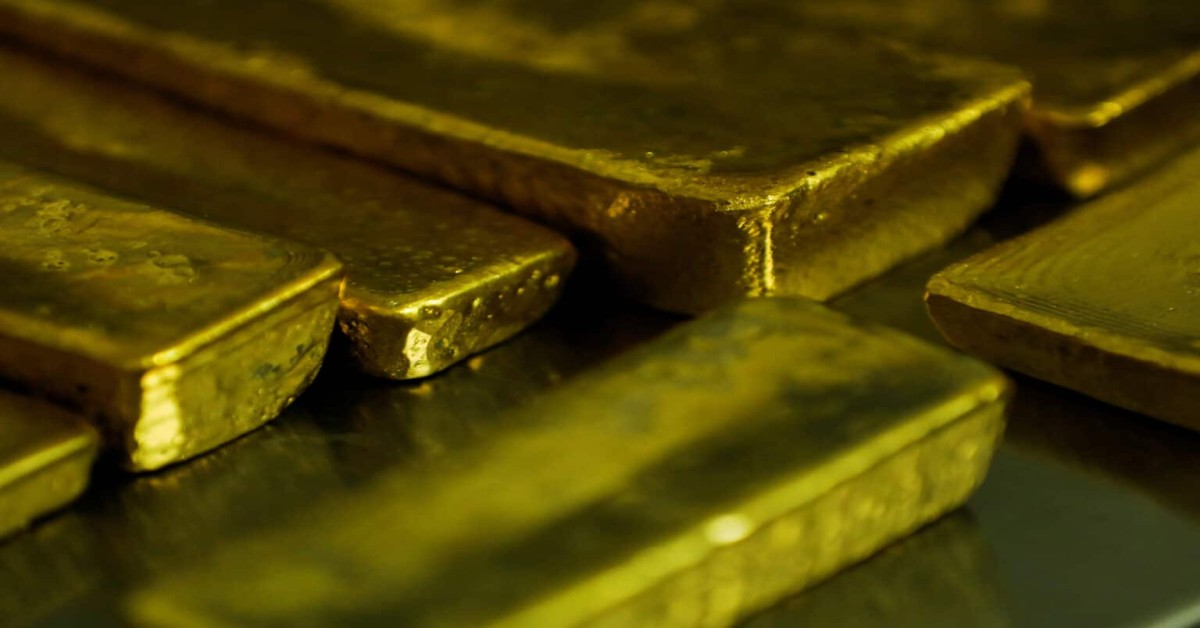
Ghana will begin purchasing 30% of gold produced by large-scale mining companies from July 1, 2026, under a new agreement aimed at strengthening the country’s foreign exchange reserves and expanding its domestic gold refining industry.
The announcement marks a major step in Ghana’s long-term strategy to maximize the value of its gold resources while improving economic resilience. The agreement was reached between the Ghana Gold Board (GoldBod) and members of the Ghana Chamber of Mines, including major international mining firms operating in the country.
Under the new arrangement, large-scale miners will supply 30% of their gold production in dore form to GoldBod. The purchases will be made at a discount of 0.55% based on the Bank of Ghana’s reference rate, with payments made in Ghanaian cedis.
The policy increases the previous requirement, under which mining companies supplied 20% of their annual gold output to the Bank of Ghana. Officials believe the expanded programme will help the country build stronger gold reserves while reducing its dependence on foreign currencies during periods of global economic uncertainty.
Ghana, Africa’s largest gold producer, introduced its domestic gold purchase programme in 2022 as part of efforts to diversify reserve assets and strengthen macroeconomic stability. Since then, the country’s gold reserves have steadily increased, with Bank of Ghana data showing holdings reached 19.2 metric tonnes earlier this year.
In February 2026, the government unveiled an expanded reserve accumulation strategy targeting approximately 157 metric tonnes of gold by 2028. That amount would provide the equivalent of around 15 months of import cover, offering additional protection against external economic shocks.
Following the announcement, GoldBod entered negotiations with several major mining companies, including Newmont, Gold Fields and China’s Zijin Mining, to increase the volume of gold purchased by the state.
Officials say the latest agreement supports not only reserve accumulation but also Ghana’s ambition to become a regional centre for gold refining.
Rather than exporting dore bars immediately, the gold acquired under the programme will first be refined locally before being sent to a London Bullion Market Association (LBMA) accredited refinery for final melting and certification. The government hopes the initiative will help at least one Ghanaian refinery achieve LBMA accreditation by 2030, significantly increasing the country’s value addition within the global gold supply chain.
Local refining is expected to create skilled jobs, attract investment into the mining sector, and allow Ghana to retain a greater share of the economic value generated by its gold production.
GoldBod already purchases the entire output of Ghana’s licensed artisanal and small-scale gold miners. Extending significant purchases to large-scale producers further strengthens the country’s integrated approach to gold management.
Economic analysts note that many central banks around the world have increased gold purchases in recent years as bullion continues to serve as a reliable reserve asset during periods of inflation, geopolitical uncertainty and currency volatility.
For Ghana, expanding its gold reserves offers multiple benefits. Besides providing protection against external financial shocks, accumulated gold can be sold internationally when necessary to generate foreign exchange and support the country’s balance of payments.
The policy also aligns with broader government efforts to stabilize the Ghanaian cedi, strengthen investor confidence and reduce reliance on external borrowing.
As implementation begins on July 1, industry stakeholders will closely monitor how the new arrangement affects mining operations, reserve growth and Ghana’s long-term objective of becoming one of Africa’s leading gold refining and trading hubs.