

 By Ghana News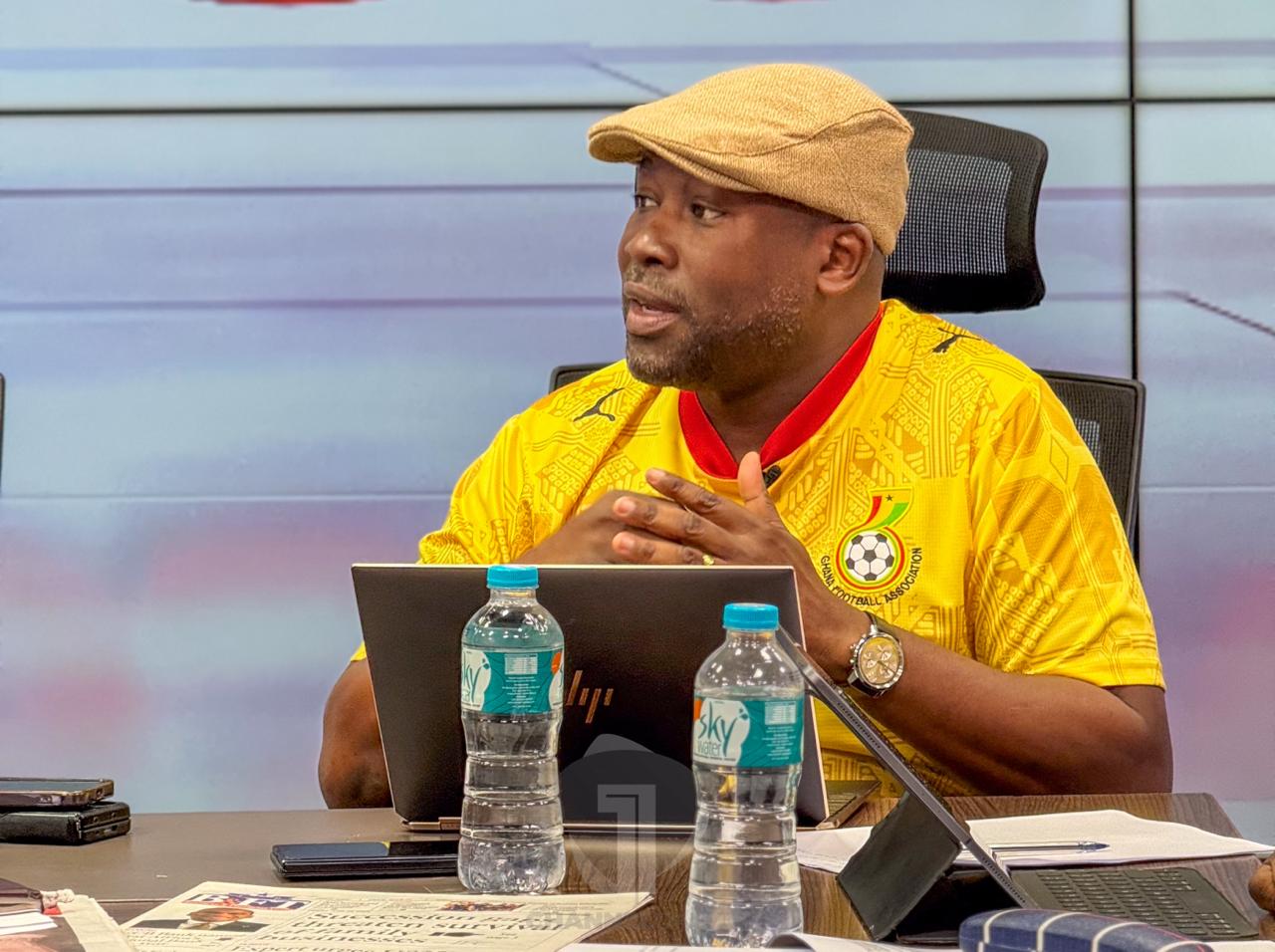
Managing electricity bills in Ghana is about to get tougher for many consumers. The Convener of the One Ghana Movement, Senyo Hosi, has openly described the Electricity Company of Ghana’s current metering policy as highly ineffective.
His critical analysis follows the recent announcement by the Public Utilities Regulatory Commission concerning an upward review of utility tariffs. Starting July 1, 2026, electricity tariffs will increase by 3.49 percent across the board, while water tariffs will go up by 0.85 percent.
Speaking on Channel One TV on Saturday, June 27, Mr. Hosi argued that the power distributor loses massive revenue because its metering strategies lack basic business logic. He noted that prepaid meters are significantly more expensive to purchase and install compared to postpaid options.
Instead of forcing prepaid meters on every household indiscriminately, the authority needs to segment its consumers carefully. Forcing expensive prepaid technology on high income neighborhoods wastes valuable capital that could fix national grid stability instead.
A smarter operational strategy involves placing cheaper postpaid meters in affluent residential areas where electricity consumption remains high and bill payment is highly reliable. This approach encourages legal power usage while lowering the initial setup costs for the utility provider.
Prepaid meters should be strategically reserved for high risk neighborhoods where direct cash collection is traditionally difficult. This targeted deployment model will minimize commercial losses and ensure steady revenue collection across all sectors.
The Ghanaian power sector currently suffers from fragmented policymaking and lack of institutional coordination. Key players like the Ministry of Energy, the Ministry of Finance, the regulatory commission, and the utility provider routinely operate in separate silos.
While there are minimal ongoing efforts to harmonize operations, true efficiency requires a unified supply chain planning system. A coordinated approach will stabilize the energy sector and protect ordinary Ghanaian citizens from frequent tariff hikes.
Also Read: ECG Announces Major Maintenance Outages Across Central and Accra East Regions