

 By Zobia Zulfqar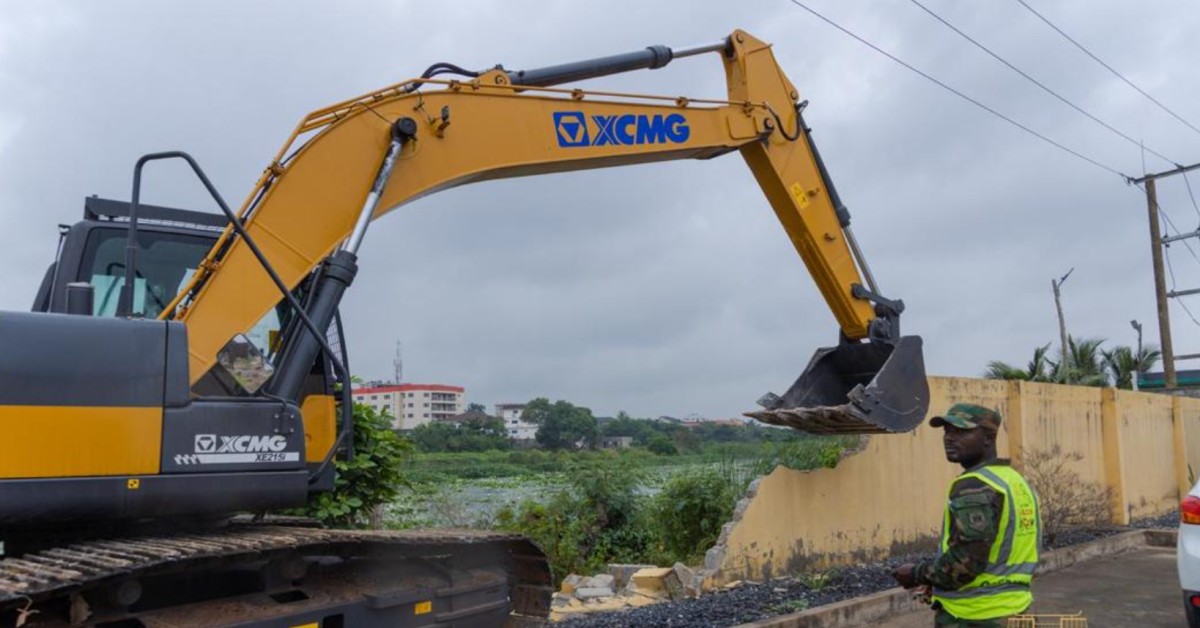
The National Flood Mitigation Task Force has launched a large-scale operation to remove illegal structures built along waterways and drainage channels in Accra as part of renewed efforts to reduce flooding and improve the city’s drainage infrastructure.
The phased exercise, which began on July 24, focuses on dredging silted drains, clearing blocked waterways, demolishing unauthorized structures, and removing other obstacles that restrict the natural flow of water during the rainy season.
Officials say the initiative forms part of the government’s broader flood prevention strategy following repeated flooding incidents that have caused property damage, disrupted transportation, and threatened lives in several parts of the capital over the years.
The task force is headed by Deputy Chief of Staff in charge of Operations at the Presidency, Mr. Stan Dogbe. It also includes the Minister for Works, Housing and Water Resources, Mr. Kenneth Gilbert Adjei, and Brigadier General Forster Okae-Yeboah, Director-General of Joint Operations of the Ghana Armed Forces and Coordinator of the National Flood Mitigation Task Force.
Senior officers from the Ghana Armed Forces are also participating in the exercise, including Major General Annan Glover, Deputy Chief of Staff at Army Headquarters, and Brigadier General Richard Kinny, Commander of the Engineer Brigade.
According to officials, the operation targets several major factors contributing to flooding in Accra. These include unauthorized buildings constructed within waterways, poorly engineered bridges that obstruct the movement of water, and heavily silted drains and dams that have lost much of their drainage capacity.
By removing these obstructions, authorities hope to restore natural water channels and improve the efficiency of the city’s drainage system before future heavy rains.
The first phase of the exercise began in several flood-prone communities, including New England, the area behind Airport Hills, and Mayfair Garden Estates. From there, the task force moved to the Tesa Dam area in East Legon before continuing operations toward Oyarifa.
At the Tesa Dam near Boundary Road in East Legon, demolition teams removed unauthorized structures built along the banks of the dam. Officials explained that years of encroachment had significantly narrowed the natural waterway, reducing its ability to carry stormwater during periods of heavy rainfall.
The exercise also includes dredging accumulated sediment from drains and dams. Over time, silt, waste, and debris reduce the capacity of drainage systems, increasing the likelihood of flooding when rainfall is intense.
Authorities believe restoring these drainage channels will improve water flow and reduce flood risks in surrounding communities.
Rapid urban development has placed increasing pressure on Accra’s drainage infrastructure. In many areas, buildings have been constructed too close to rivers, streams, and drainage channels, while illegal dumping of refuse has further blocked waterways.
Urban planners have long warned that such activities increase flood risks by restricting the movement of stormwater and preventing drainage systems from functioning effectively.
Government officials say the current exercise is intended not only to address existing problems but also to discourage future encroachment on waterways through stronger enforcement of planning regulations.
The task force is expected to continue operations in additional flood-prone areas across the Greater Accra Region as part of the phased programme. Authorities have indicated that communities facing severe drainage challenges will receive priority attention.
Residents have also been urged to support the initiative by avoiding the disposal of refuse into drains and by complying with building regulations designed to protect waterways and public infrastructure.
Officials emphasize that flood prevention requires cooperation between government agencies, local authorities, property owners, and the public. While infrastructure improvements can significantly reduce flood risks, maintaining clean drainage systems and preventing unauthorized construction remain equally important.
The exercise forms part of Ghana’s wider efforts to strengthen disaster preparedness and improve resilience against extreme weather events, which have become more frequent in recent years due to rapid urbanization and changing climate conditions.
By restoring blocked waterways, removing illegal structures, and improving drainage capacity, the government hopes to reduce the impact of seasonal flooding, protect lives and property, and create a safer urban environment for residents across Accra.
Authorities have indicated that monitoring and enforcement activities will continue after the demolition exercise to prevent renewed encroachment and ensure that cleared waterways remain free from obstruction. They believe sustained maintenance and stronger compliance with planning regulations will be essential to achieving lasting improvements in flood management across the capital.
Also Read: Thomas Partey Denied Canada Entry and Will Miss World Cup Opener Against Panama