

 By Collins Sarkodieh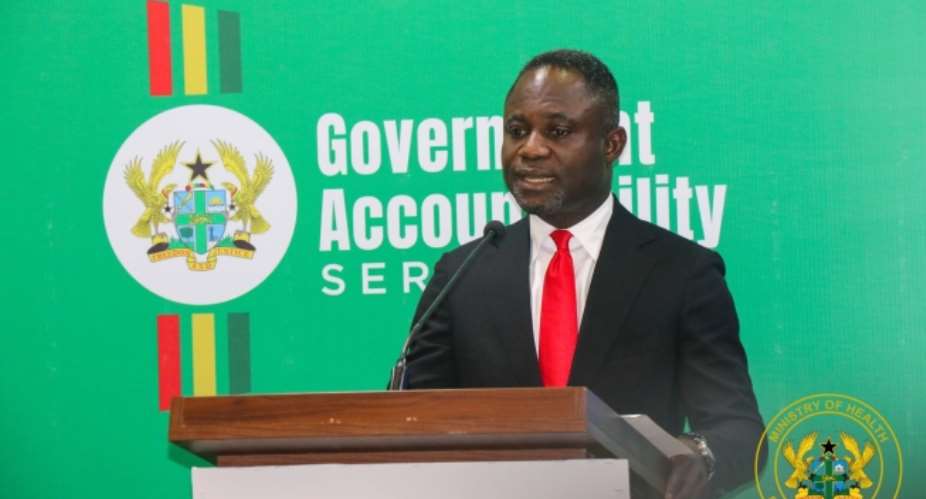
What Did the Health Minister Reveal About Unemployment in the Sector?
About 100,000 trained health professionals were unemployed by the end of 2025.
The affected group includes nurses, midwives, and allied health workers.
The issue is linked mainly to financial and budget constraints.
The Ghana health workers unemployment 2025 situation has raised serious concerns about workforce planning and healthcare delivery. According to Kwabena Mintah Akandoh, the country continues to produce qualified professionals, but employment opportunities are limited due to funding challenges.
This gap between training and employment highlights a structural issue within the health sector.
Why Are So Many Health Professionals Unemployed in Ghana?
The main reason is limited government funding for salaries.
Training output has exceeded available job placements.
Budget constraints restrict how many workers can be hired.
The government faces a basic economic reality. It can only employ workers it can afford to pay. Even though Ghana trains thousands of healthcare professionals annually, payroll capacity has not kept pace.
The Ministry of Health Ghana has acknowledged that this imbalance has created a backlog of qualified but unemployed workers.
What Types of Health Workers Are Affected?
Nurses and midwives form a large portion of the unemployed group.
Allied health professionals are also significantly affected.
Many have completed training but remain at home.
These professionals are essential to healthcare delivery. Nurses and midwives provide frontline care, while allied health workers support diagnostics, rehabilitation, and treatment.
Their unemployment raises concerns about underutilized human resources in a sector that still faces service gaps.
How Does This Situation Affect Ghana’s Healthcare System?
It creates a paradox of shortage and surplus.
Facilities may lack staff while trained workers remain unemployed.
Service delivery can be uneven across regions.
According to the World Health Organization, many countries face health workforce distribution challenges. This means some areas experience shortages even when trained professionals are available nationally.
In Ghana, rural and underserved communities often need more healthcare workers, yet deployment and funding issues limit placement.
Also Read: Mahama Clarifies Purpose of Tricycles in Free Primary Healthcare Rollout
What Are the Key Facts About Health Workforce Challenges?
Ghana has trained thousands of health professionals in recent years
About 100,000 remained unemployed as of 2025
Budget constraints limit public sector hiring
Nurses and midwives are among the most affected
Healthcare demand continues to grow with population increases
Workforce distribution remains uneven across regions
Government payroll capacity determines employment levels
Global health systems face similar workforce planning issues
These facts provide context for the Ghana health workers unemployment 2025 challenge.
What Is the Government Doing to Address the Issue?
The government plans to absorb workers gradually.
Payments and arrears are being managed in phases.
Efforts are focused on aligning hiring with available funds.
According to the Health Minister, the government has started processes to integrate some of the unemployed professionals into the system. However, this will happen over time due to financial limitations.
Clearing salary arrears and managing payroll commitments are part of the strategy.
Why Is Workforce Planning Important in Healthcare?
It ensures the right number of workers are trained and employed.
It helps balance supply with demand.
It improves efficiency in service delivery.
Effective workforce planning prevents situations where too many professionals are trained without corresponding job opportunities. It also ensures that healthcare systems operate efficiently.
Could the Private Sector Help Reduce Unemployment?
Yes, private healthcare can absorb some professionals.
It provides alternative employment opportunities.
However, capacity in the private sector is limited.
Private hospitals and clinics can play a role in reducing unemployment, but they cannot fully absorb the large number of trained professionals. Public sector employment remains the primary option for many.
What Does This Mean for Future Health Professionals?
Job opportunities may remain competitive.
Planning and specialization could become more important.
Policy changes may influence future employment trends.
Students considering healthcare careers should be aware of the current landscape. While demand for healthcare services is growing, employment depends on funding and policy decisions.
Final Thoughts on Ghana Health Workers Unemployment 2025
The unemployment of 100,000 trained professionals highlights a major system challenge
Financial constraints remain the biggest barrier to employment
Long term solutions will require better planning and investment
The Ghana health workers unemployment 2025 issue reflects a broader challenge of balancing education, funding, and employment. While Ghana continues to produce skilled healthcare workers, aligning resources with workforce needs will be critical for the future.
Addressing this gap is not just about jobs. It is about strengthening the entire healthcare system and ensuring that trained professionals can contribute to improving lives across the country.
Also Read: Ghana Free Primary Healthcare 2026: What Is Covered and What Is Not