

 By Zobia Zulfqar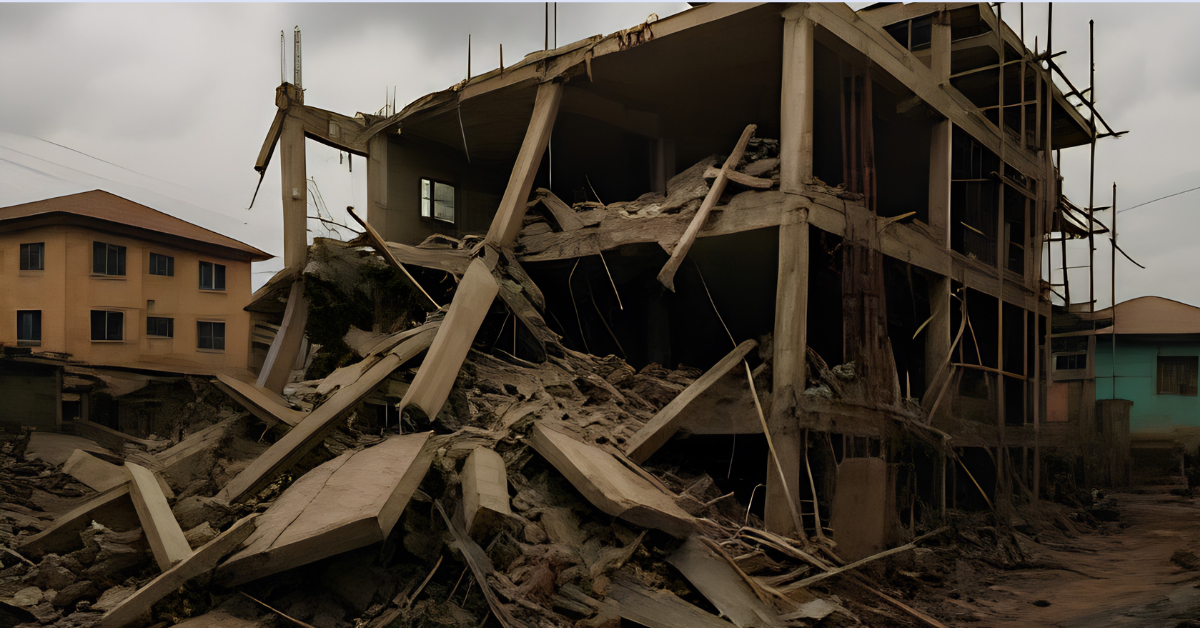
The government has launched a major investigation into the increasing number of building collapses across Ghana, with authorities promising stricter oversight and stronger accountability measures within the construction sector.
Interior Minister Muntaka Mohammed-Mubarak has inaugurated a 13-member Committee of Inquiry tasked with examining the causes of recent building collapse incidents and recommending practical measures to prevent similar tragedies in the future.
The move comes amid growing public concern over the frequency of structural failures in different parts of the country, some of which have resulted in injuries, fatalities, and significant property damage.
Speaking during the inauguration ceremony, the Interior Minister stressed that building collapses should not be viewed solely as engineering or structural failures. According to him, such incidents often point to broader weaknesses within regulatory systems, project supervision, and institutional accountability.
“The collapse of a building is not merely a structural failure. It is often a failure of systems, processes, oversight and accountability,” he said.
Mr Mohammed-Mubarak noted that the government owes it to victims, affected families, and future generations to ensure that lessons are learned from these incidents and translated into meaningful reforms.
The newly established committee has been mandated to conduct a comprehensive investigation into factors that may have contributed to the rise in building collapses nationwide.
Its work will cover a broad range of issues, including structural deficiencies, the use of substandard construction materials, poor building designs, weak construction practices, environmental degradation, climate-related impacts, human negligence, and institutional failures.
The committee is expected to engage industry stakeholders, examine existing regulations, review compliance standards, and identify weaknesses in enforcement mechanisms that may have contributed to unsafe construction activities.
The Interior Minister urged committee members to approach their assignment with professionalism, integrity, objectivity, and independence. He emphasized the need for thorough investigations and evidence-based recommendations that can be effectively implemented to improve safety standards across the country.
According to him, the inquiry should go beyond identifying the causes of individual incidents and focus on developing long-term solutions that will strengthen the construction sector and protect lives.
He explained that the committee’s recommendations should contribute to improving construction standards, strengthening regulatory oversight, enhancing enforcement mechanisms, and promoting safer communities throughout Ghana.
The minister also called on government agencies, professional bodies, engineers, architects, developers, contractors, property owners, and the general public to cooperate fully with the committee throughout its investigations.
He stressed that addressing the issue of building collapses requires collective responsibility and collaboration among all stakeholders involved in the construction industry.
Mr Mohammed-Mubarak further issued a strong warning against negligence and non-compliance with building regulations, noting that authorities would not tolerate practices that endanger public safety.
The establishment of the committee reflects the government’s determination to address concerns surrounding construction quality and ensure that buildings across the country meet approved safety standards.
Industry experts have long called for stricter enforcement of building regulations, improved inspections, and greater accountability for developers who fail to comply with approved construction guidelines.
Many observers believe the findings of the inquiry could lead to significant reforms in Ghana’s construction sector, including tighter regulations, stronger monitoring systems, and tougher penalties for violations.
The committee is expected to submit recommendations that will help government agencies prevent future incidents and restore public confidence in the safety of buildings nationwide.
As investigations begin, many Ghanaians will be looking to the committee to identify the root causes behind the recent rise in building collapses and propose solutions that can safeguard lives, property, and communities for years to come.
Source: modernghana