

 By Emmanuel Bamfo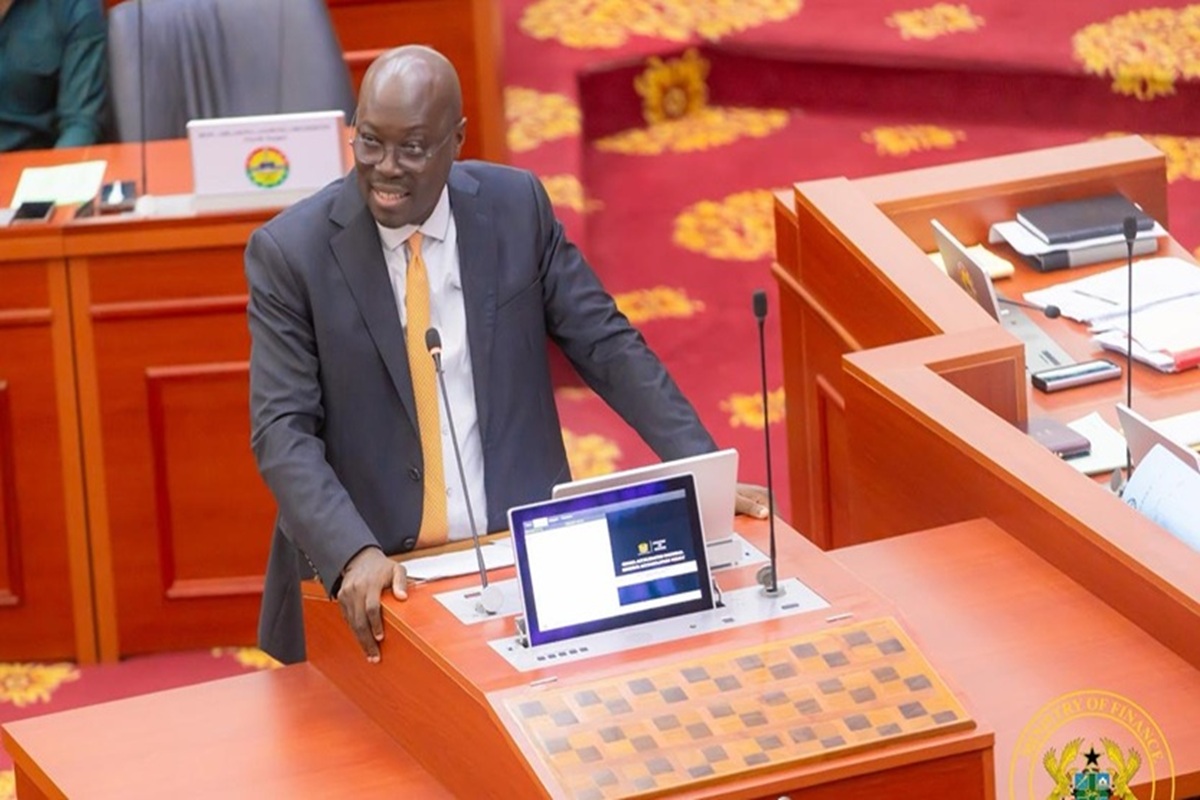
Ghana’s Ministry of Finance is designing a new national policy framework to utilize millions of Ghana Cedis sitting in dormant bank accounts for public development projects. The government promises that account owners retain full legal rights to claim their money at any time through the Bank of Ghana.
The thought of government accessing funds in unused savings accounts or old Mobile Money wallets naturally creates anxiety among ordinary Ghanaians. Many people worry that hard-earned money left untouched for family emergencies, inheritance, or future business ventures could suddenly disappear into public infrastructure funds. However, understanding how Ghanaian banking regulations operate reveals a much clearer picture of what actually happens to your dormant account funds. In this comprehensive guide, you will learn the exact legal mechanisms behind dormant account transfers, your rights as a depositor, and practical steps to safeguard or recover your money.
What Is The Government’s New Plan For Unclaimed Bank Funds?
The Ministry of Finance plans to pool eligible dormant financial assets into a regulated public fund to support essential national development projects. Minister for Finance Dr Cassiel Ato Forson announced that this initiative will draw on international best practices while maintaining strict legal safeguards for account holders.
Speaking on behalf of the Finance Minister at the Chartered Institute of Restructuring and Insolvency Practitioners Ghana forum in Accra, Technical Director Samuel Akhurst outlined the government’s strategic vision. Rather than allowing billions of Ghana Cedis to sit idle in commercial bank vaults or earn interest for private financial institutions, the state wants to put these resources to work for public interest under transparent oversight.
The proposed policy rests firmly on three core statutory pillars to ensure total protection for account owners:
- Complete legal protection of ownership rights allowing depositors or legal heirs to claim funds anytime.
- High levels of transparency and public accountability in managing accrued dormant financial assets.
- Strict deployment of eligible funds strictly toward high-impact national development projects under statutory supervision.
Global financial hubs like the United Kingdom, Japan, and Canada already operate similar unclaimed asset schemes. These countries direct dormant funds into social housing, community health, and youth development without depriving original owners of their legal rights.
When Does Your Bank Account Legally Become Dormant In Ghana?
Under Section 143 of the Banks and Specialised Deposit-Taking Institutions Act 2016 (Act 930), a bank account becomes dormant after two consecutive years of zero customer-initiated transactions. Routine bank maintenance charges or automatic interest credits do not count as active customer usage.
Many Ghanaians assume that leaving money in a savings account automatically keeps it active forever. On the contrary, if you do not deposit cash, withdraw funds, transfer money via mobile banking, or check your balance through an ATM for twenty-four months, your financial institution will flag your profile as inactive.
The legal process moves through four distinct regulatory stages before any money leaves your commercial bank:
- Stage One (Inactivity Warning): At twelve to eighteen months without activity, banks attempt to contact you via registered phone numbers or email addresses.
- Stage Two (Dormancy Declaration): At twenty-four months, the bank places your account on the official dormant register and restricts outward transactions to prevent internal fraud.
- Stage Three (Public Notice): After three full years of dormancy, financial institutions must publish the names of affected account holders in national daily newspapers.
- Stage Four (Central Bank Transfer): If an account remains untouched for five continuous years, the bank must transfer the total balance to the Bank of Ghana.
This structured timeline gives every depositor ample opportunity to step forward, confirm identity, and reactivate their account before central bank transfer takes place.
What Happens To Inactive Mobile Money Wallets Like MTN MoMo or Telecel Cash?
Electronic money accounts like MTN Mobile Money, Telecel Cash, and AT Money become legally dormant after twelve consecutive months of customer inactivity. Mobile network operators must maintain a dedicated register of unclaimed e-money balances and protect those funds securely.
With millions of Ghanaians relying on mobile wallets for everyday business, mobile money dormancy rules operate on a tighter schedule than traditional bank accounts. Under the Bank of Ghana E-Money Directives, service providers must alert wallet owners at least thirty days before marking an account dormant.
If you change your SIM card or stop using a mobile money line for a full year, the telecommunications company takes specific regulatory steps:
- They restrict outgoing payments and cash-out services on the wallet to stop unauthorized transactions.
- They attempt to reach your registered Next-of-Kin without disclosing your private wallet balance.
- They safeguard the underlying electronic cash balance in a segregated account until you or your legal representative claims it.
Therefore, your mobile money savings do not simply vanish into thin air if your phone line goes offline for a few months.
Does The Government Have The Power To Forfeit Your Money Permanently?
No, the government cannot legally forfeit or confiscate your dormant bank balances permanently. Both Act 930 and the Bank of Ghana Unclaimed Balances Directive protect your ownership rights indefinitely.
A widespread misconception across Ghanaian social media suggests that the state wants to clear people’s savings to fix budget deficits. In reality, the Bank of Ghana acts as a safe custodian for unclaimed money rather than a permanent beneficiary. Even when the Finance Ministry utilizes dormant funds for infrastructure, the central bank maintains a liquidity reserve to pay back any account holder who returns with proper verification.
Key statutory guarantees protecting Ghanaian depositors include:
- Indefinite Claim Window: You or your legal heirs can submit a claim for transferred funds ten, twenty, or thirty years later.
- Standardized Recovery Portal: The Bank of Ghana operates an online Unclaimed Balances Portal to help citizens trace lost accounts easily.
- Legal Beneficiary Protections: Executors of wills and administrators of estates can claim dormant money belonging to deceased relatives.
While the central bank does not pay interest on unclaimed balances after transfer, the principal amount remains fully intact for the rightful owner.
How Can You Reclaim Your Dormant Account Money From The Bank of Ghana?
You can reclaim your transferred dormant funds by submitting a formal claim request through your original financial institution or directly via the Bank of Ghana Unclaimed Balances Portal. The verification process requires valid national identification and proof of account ownership.
Recovering your money is straightforward if you possess the required documentation. Here is the exact procedure to follow to get your funds back:
- Gather Identification Documents: Locate your original Ghana Card, old bank passbook, chequebook, or transaction receipts linked to the inactive account.
- Visit Your Original Bank Branch: Approach the customer service desk at the bank where you opened the account and request a Dormant Account Claim Form.
- Submit Verification Details: Provide biometric verification using your Ghana Card so the bank can match your records.
- Central Bank Processing: Your commercial bank forwards the verified dossier to the Bank of Ghana to release the funds.
- Fund Disbursement: The Bank of Ghana transfers the full balance into your active bank account or issues a payout check within a short processing window.
For deceased account holders, family members must present a valid Death Certificate, Letters of Administration, or Probate documents issued by a court of competent jurisdiction.
How Do You Keep Your Bank Accounts Active And Avoid Inactivity Flags?
You can prevent your bank account from becoming dormant by making at least one small deposit or withdrawal every six to twelve months. Performing minor digital transactions like airtime top-ups via mobile banking keeps your status active instantly.
Managing multiple bank accounts across different institutions requires deliberate organization. Many people open specialized accounts for specific projects, only to forget about them once the work ends.
Practical techniques to keep all your financial accounts active include:
- Set up small recurring standing orders between your primary account and secondary savings accounts.
- Link your bank accounts to your mobile money wallet and perform periodic micro-transfers.
- Update your contact numbers and email address whenever you move or change service providers.
- Consolidate small, unnecessary bank accounts into one or two active accounts to simplify tracking.
Taking five minutes twice a year to check your balances saves you hours of administrative paperwork in the future.
What Are The Real Benefits Of Using Idle Asset Balances For National Growth?
Mobilizing dormant financial assets provides non-debt domestic capital to fund essential public infrastructure like schools, hospitals, and rural roads. It reduces government reliance on expensive foreign loans while keeping national liquidity active within the domestic economy.
Economists and financial analysts highlight that allowing hundreds of millions of Ghana Cedis to sit idle benefits no one except financial institutions holding excess cash reserves. When managed under a transparent legal framework, unclaimed funds become a valuable source of long-term development capital.
Key national advantages of the proposed policy include:
- Reduced Sovereign Borrowing: Using domestic idle cash cuts down expensive external borrowing costs for public projects.
- Support For Distressed Companies: As noted by Bank of Ghana Governor Dr Johnson Pandit Asiama, structured funds can support viable businesses recovering under the Corporate Insolvency and Restructuring Act 2020 (Act 1015).
- Improved Economic Stability: Lower inflation and fiscal discipline create a healthier investment environment across Ghana.
By balancing public growth needs with private property rights, Ghana joins modern economies in turning static balance sheets into dynamic development drivers.
Essential Facts Summary On Ghana’s Dormant Account Policy
Keeping track of legal rules and financial timelines ensures your money remains safe under all circumstances.
- Bank Inactivity Period: Accounts become dormant after twenty-four months without customer transactions.
- MoMo Inactivity Period: Mobile money wallets become dormant after twelve months of non-usage.
- Central Bank Transfer: Commercial banks transfer unclaimed funds to the Bank of Ghana after five years.
- Ownership Protection: You retain permanent ownership rights and can claim your principal amount anytime.
- Key Law: Section 143 of the Banks and Specialised Deposit-Taking Institutions Act 2016 (Act 930) governs dormant assets.
Understanding these facts empowers you to manage your accounts wisely and take full advantage of consumer protections guaranteed by law.
Also Read: government cuts diesel regulatory margin by gh%c2%