

 By Ghana News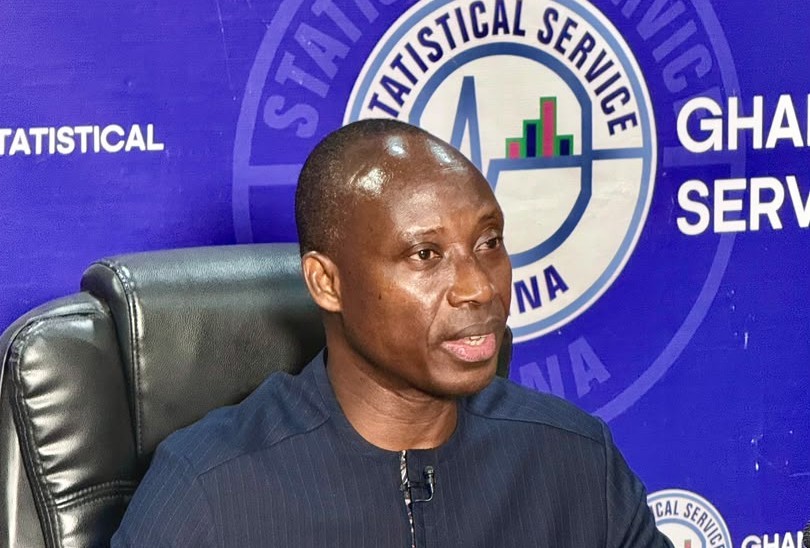
Ghanaian families and business owners are breathing a welcome sigh of relief as national inflation continues to slow down. Government Statistician Dr Alhassan Iddrisu revealed that targeted fuel subsidies and cedi stability successfully protected citizens from brutal global crude oil price increases.
When international crude prices jumped past one hundred dollars per barrel due to Middle East conflicts, many feared massive transport fare increases. However, government intervention absorbed key petroleum costs to keep public transport and food distribution stable across regional markets.
The government introduced temporary fuel relief measures by absorbing two Ghana cedis per litre on diesel and thirty six pesewas on petrol. These policy steps kept transport costs predictable, preventing steep price spikes on fresh vegetables, foodstuffs, and daily essentials.
Finance Minister Dr Cassiel Ato Baah Forson confirmed that currency stability also anchored national inflation around five percent. Combined monetary policy actions from the Bank of Ghana helped the cedi retain its strength and absorb external economic pressures.
Dr Alhassan Iddrisu emphasized that while temporary fuel relief provided immediate comfort, long term stability requires deeper structural reforms. He urged policymakers to invest heavily in agricultural storage, logistics, and road networks to permanently protect local markets from global shocks.
Also Read: Fuel Prices Take a Hike: What’s Happening?