

 By Zobia Zulfqar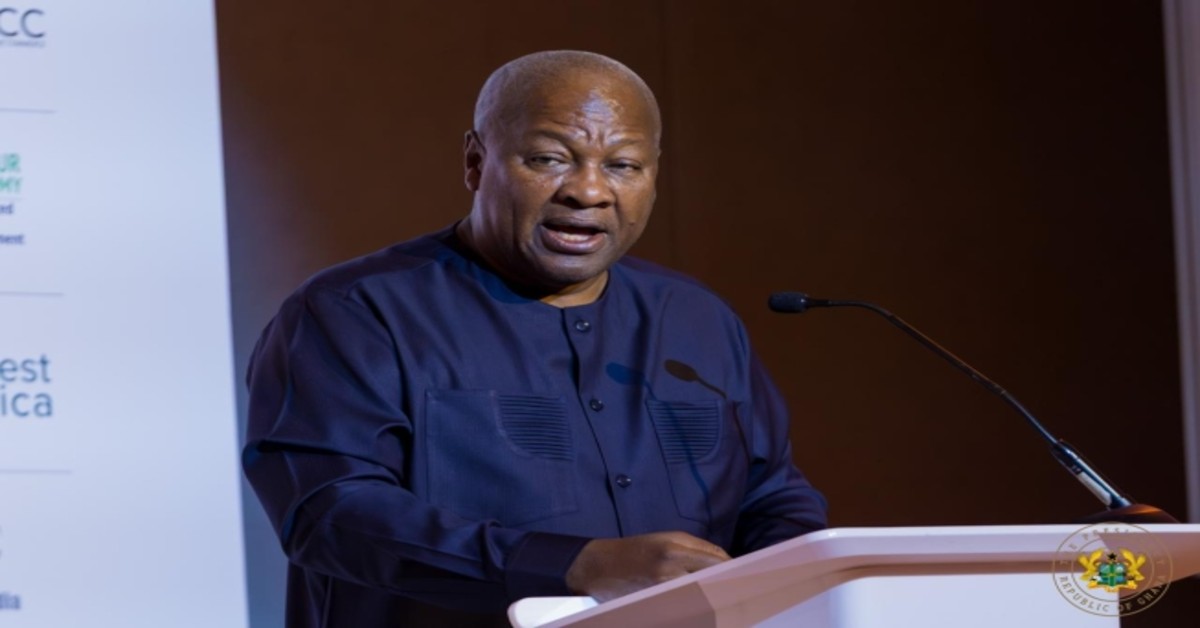
President John Dramani Mahama is hosting African leaders in Accra for a major African Union (AU) health summit focused on improving healthcare access and strengthening the fight against some of the continent’s biggest public health challenges.
The African Union Extraordinary Session of the Assembly of Heads of State and Government is taking place from July 21 to July 22, 2026. The two day meeting has brought together presidents, prime ministers, ministers, health experts, development partners, civil society organisations, youth representatives, and private sector leaders from across Africa.
The summit aims to accelerate progress toward universal health coverage while addressing diseases that continue to affect millions of people across the continent. Discussions are expected to focus on expanding access to quality healthcare, improving maternal health, ending AIDS and tuberculosis, and tackling neglected tropical diseases and non communicable diseases.
The meeting is being held under the theme, “Advancing Justice, Equity and Universal Health Coverage: Ending AIDS, TB, Improving Maternal Health, Addressing Endemic Non Communicable and Neglected Tropical Diseases and Conditions in Africa.”
According to a statement issued by the Presidency, the summit provides an opportunity for African leaders to review the continent’s progress in responding to major health challenges and agree on practical measures to improve healthcare systems.
The statement, signed by the Spokesperson to the President and Minister for Government Communications, Felix Kwakye Ofosu, said the gathering is expected to strengthen cooperation among African countries while promoting policies that will improve access to healthcare services for all citizens.
The summit is taking place in two phases.
On the first day, technical experts from African Union member states met to prepare reports, review existing health programmes, and develop recommendations for ministers and Heads of State.
The experts examined current health challenges facing African countries and discussed ways to improve healthcare financing, disease prevention, and access to essential medical services.
Their recommendations will form the basis of discussions among ministers and national leaders during the second phase of the summit.
On July 22, the Assembly of Heads of State and Government will meet to consider the technical reports and adopt key decisions aimed at strengthening healthcare systems across Africa.
One of the main outcomes expected from the meeting is the adoption of a declaration to accelerate the implementation of the African Union Roadmap to 2030.
The roadmap outlines Africa’s long term strategy for improving healthcare, reducing preventable deaths, strengthening disease control, and achieving universal health coverage throughout the continent.
Universal health coverage remains one of the African Union’s major development priorities. The goal is to ensure that every person has access to quality healthcare services without suffering financial hardship.
Many African countries continue to face significant challenges, including shortages of healthcare workers, limited medical infrastructure, inadequate funding, and unequal access to health services between urban and rural communities.
Leaders attending the summit are expected to discuss ways to increase investment in health systems while improving cooperation among countries to respond more effectively to disease outbreaks and other public health emergencies.
The meeting will also examine progress made in combating HIV and AIDS, tuberculosis, malaria, maternal deaths, and neglected tropical diseases.
Although African countries have achieved important improvements over the past two decades, health experts say continued investment and stronger partnerships are needed to meet international health targets by 2030.
The summit has attracted participation from ministers responsible for health, finance, and foreign affairs, reflecting the growing recognition that healthcare development depends on cooperation across different sectors of government.
Development partners, civil society organisations, youth groups, and representatives from the private sector are also taking part in discussions on how innovation, investment, and partnerships can improve healthcare delivery.
Ghana’s role as host highlights the country’s continued participation in regional and continental efforts to strengthen healthcare systems and improve public health outcomes.
By bringing together political leaders, health experts, and development partners, the summit aims to produce practical commitments that can help African countries expand healthcare access, strengthen disease prevention programmes, and improve the quality of life for millions of people.
The decisions adopted during the two day meeting are expected to guide future health policies across the continent and support the African Union’s goal of achieving universal health coverage while reducing the burden of infectious and non communicable diseases by the end of the decade.