

 By Ishmeal
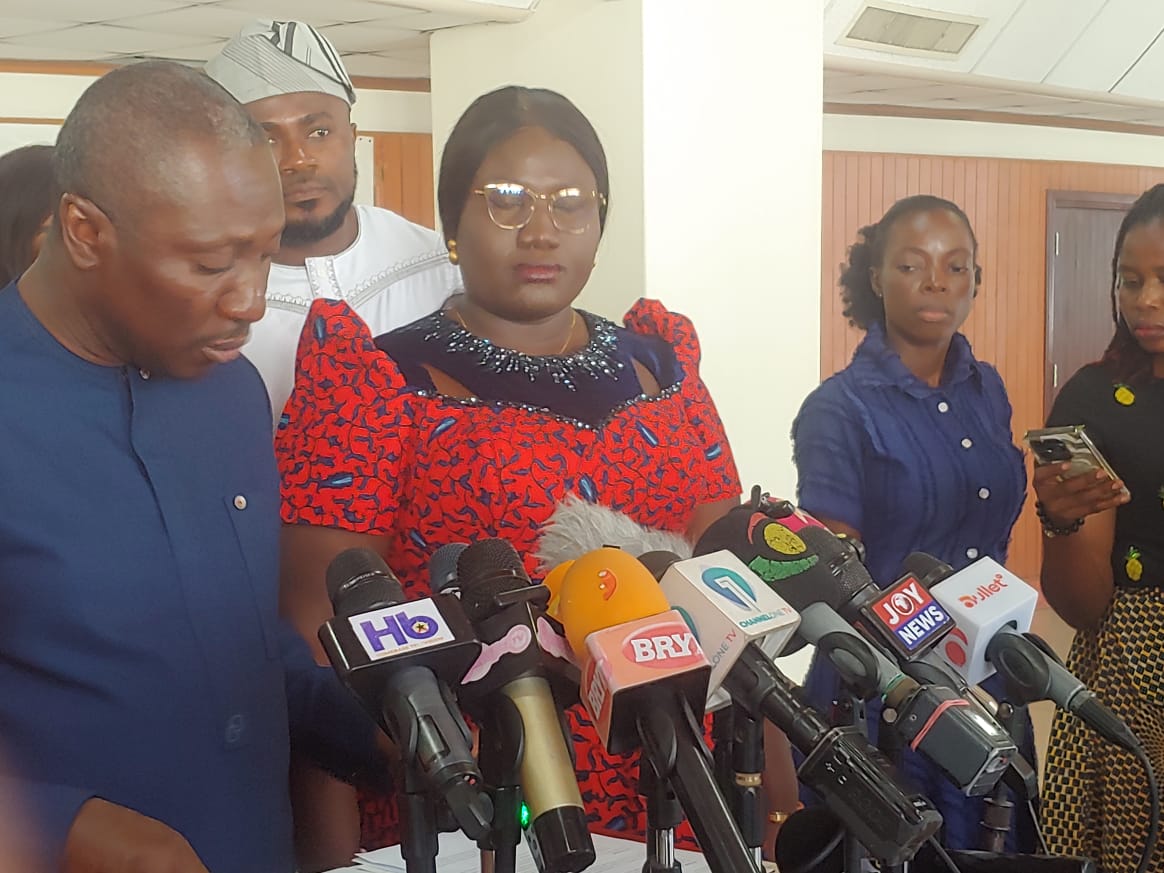
The Minority in Parliament has accused the Mahama-led government of increasing the financial burden on Ghanaians through higher fees, charges and other revenue measures under the 2027 Budget.
The opposition caucus argues that the government’s claim of introducing no new taxes does not reflect the expected increase in the amount citizens and businesses will pay for public services.
Addressing a press conference in Parliament, the Ranking Member of the Finance Committee, Dr Mohammed Amin Adam, questioned the government’s revenue projections, particularly the expected increase in collections from fees and charges.
According to him, the 2027 Budget projects revenue from fees and charges to rise from GH¢1.3 billion in 2026 to GH¢6.1 billion in 2027, representing an increase of approximately 354 per cent.
Dr Amin Adam said the projected increase could place additional financial pressure on households and businesses, even though the government maintains that it will not introduce new taxes.
Minority raises concerns over fees and charges
The former Finance Minister argued that higher charges for services such as passport applications, licences, permits and vehicle registrations could increase the cost of accessing essential public services.
He maintained that whether government classifies the payments as taxes or administrative charges, the financial impact on ordinary Ghanaians remains important.
The Minority also pointed to projected increases in revenue from other existing tax sources.
Dr Amin Adam cited a projected 22.8 per cent increase in taxes on domestic goods and services, as well as a 15.6 per cent rise in Pay-As-You-Earn (PAYE) revenue in 2027.
He questioned how these projections align with the government’s message that the budget would not introduce new taxes.
Government maintains no new taxes
Finance Minister Dr Cassiel Ato Forson has maintained that the 2027 Budget will not introduce new taxes.
The government’s position is that it intends to improve revenue collection through stronger compliance, closing revenue leakages and modernising tax administration.
The disagreement between the government and the Minority therefore centres on the distinction between introducing new taxes and increasing revenue from existing taxes, fees and charges.
While the government says it is avoiding new taxes, the Minority argues that higher fees and increased revenue projections could still translate into additional costs for the public.
What it means for Ghanaians
The projected rise in fees and charges has drawn attention to the potential cost of accessing government services in 2027.
However, the budget’s revenue projection does not automatically mean that every individual fee or charge will increase by 354 per cent. It represents the projected overall revenue from that category.
The actual impact on households and businesses will depend on the specific charges approved and implemented.
The debate is expected to remain part of parliamentary scrutiny of the 2027 Budget as lawmakers examine the government’s revenue plans and their implications for Ghanaians.
Also Read:Amoakohene Calls For Naimos Review After Manso Keniago Deaths