

 By Emmanuel Fletcher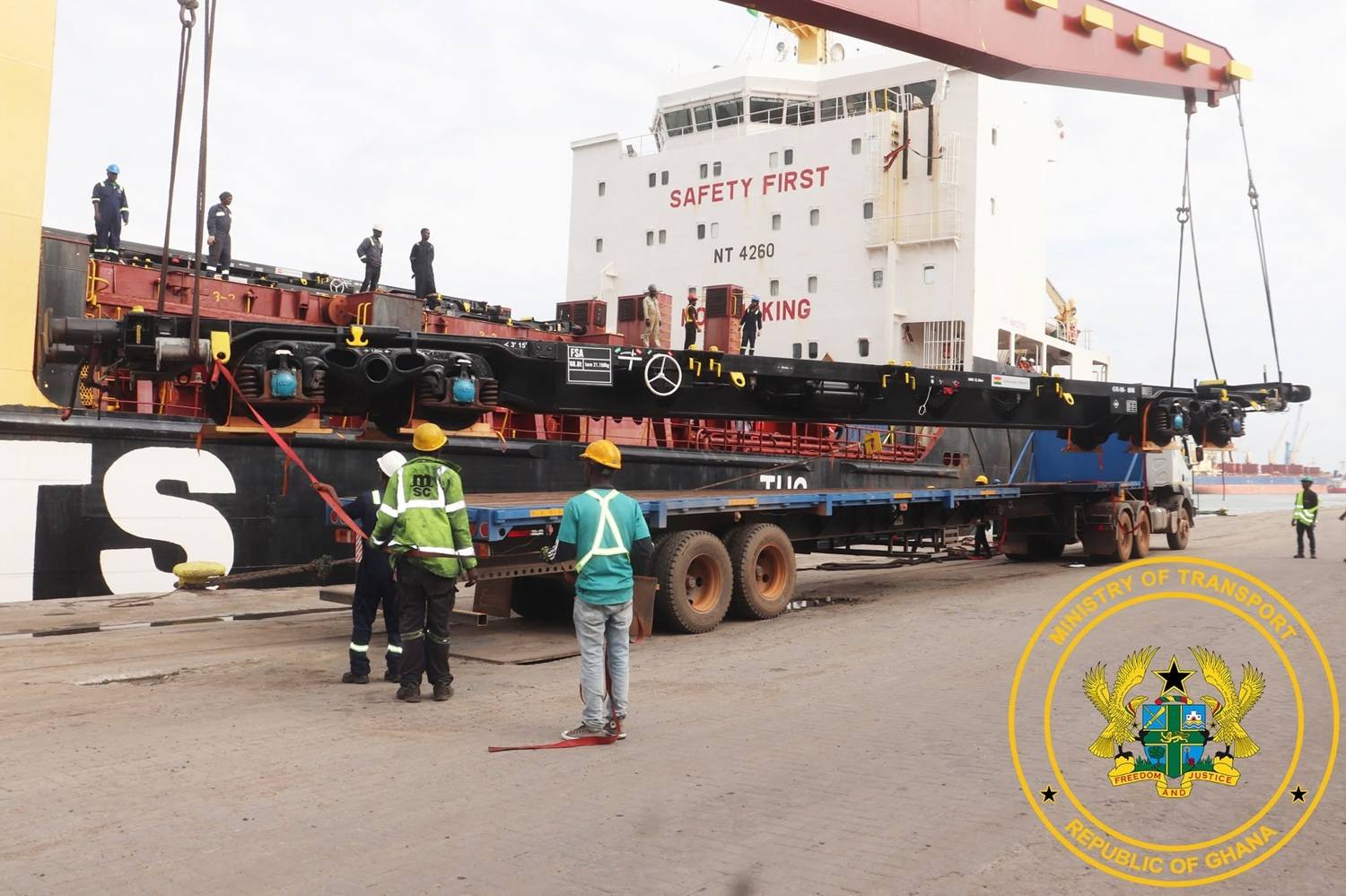
The procurement of refurbished rolling stock has triggered a fresh political debate regarding the state’s transport spending. The opposition New Patriotic Party (NPP) has officially challenged the government over its recent acquisition of two refurbished diesel locomotives and twenty freight wagons.
While the minority group acknowledges the development as a beneficial move for the transit industry, it demands immediate answers regarding the deal. The party argues that state officials are hiding key operational parameters required to confirm if the transaction offers real value for money.
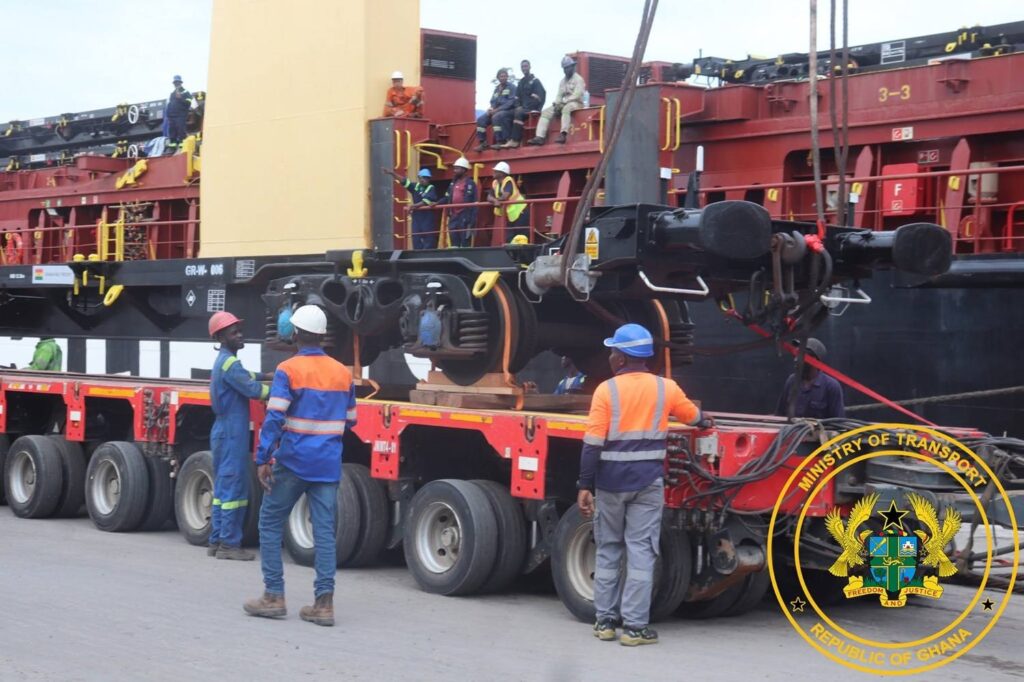
Information evaluated by the NPP Transport Sector Committee indicates that the newly imported units are refurbished British Rail Class 56 locomotives. These heavy freight haulers were originally manufactured in the United Kingdom between 1976 and 1983, a period heavily associated with the late British Prime Minister Margaret Thatcher.
The opposition points out that out of one hundred and thirty-five units built decades ago, fewer than fifteen remain active globally. Buying trains that other international networks have completely retired raises major technical questions about whether the state is investing in sustainable technology or just collecting ancient relics.
The age of the rolling stock presents immediate maintenance hurdles for our local transport managers. The NPP is urging the government to disclose whether it secured long term spare parts contracts or technical support agreements with foreign suppliers.
Without pre-secured components, repairing a broken British Rail Class 56 engine in Ghana will become an expensive logistics nightmare. The committee also questioned what exact technical training local engineers have received to handle these vintage engines, contrasting the deal with new Polish PESA trains bought previously under a five-year support layout.
Beyond the trains themselves, serious questions hang over our intermodal logistics architecture. The opposition is demanding proof of a comprehensive market demand assessment to justify the heavy freight expenditure.
Furthermore, observers claim the Tema to Mpakadan railway corridor currently lacks essential container handling cranes and reach stackers to manage heavy freight effectively. With only seventy million Ghana Cedis allocated to general rail infrastructure in the 2026 national budget, citizens deserve full disclosure on how the ministry intends to fund these vital terminal upgrades.
Also Read:Government Disburses GH₵15,000 to Families Following Accra Barracks Fire