

 By Emmanuel Fletcher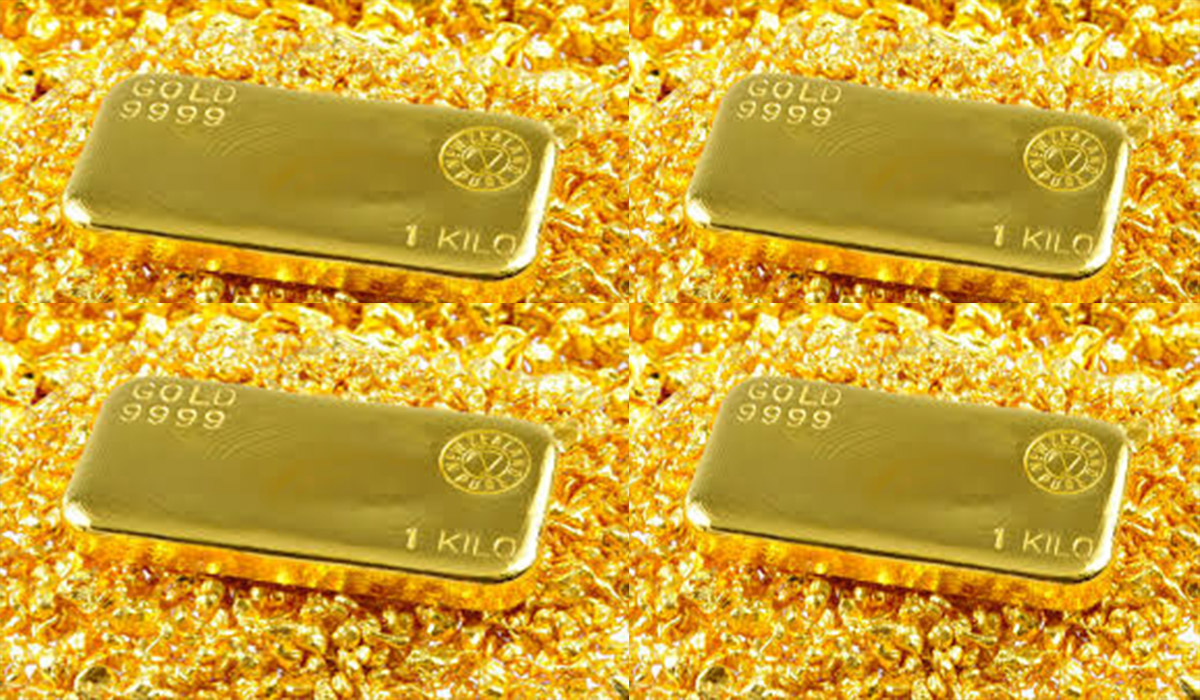
The state is executing a massive economic strategy to secure the national currency and build up its domestic wealth reserves. Beginning July 1, 2026, the government will officially purchase 30% of the total gold output from all large-scale mining companies operating in the country.
This historic policy shift aims to aggressively boost our foreign currency reserves and expand local refining capacity. Central banks globally are heavily stockpiling bullion as record-breaking global prices make gold the ultimate safe-haven asset against economic inflation.
Ghana holds the proud title of Africa’s biggest gold producer and originally launched this state purchase program back in 2022. Under the initial framework managed with the Ghana Chamber of Mines, large miners supplied 20% of their annual output to the central bank, pushing national holdings to 19.2 metric tons by February.
Under this newly upgraded agreement, corporate miners will sell 30% of their gold output directly to the state entity known as the Gold Board or GoldBod. The state will purchase the precious metal in dore form at a calculated discount of 0.55% of the central bank’s reference rate, settling all payments naturally in Ghanaian cedis to save our foreign dollars.
The long-term logic behind this strategy extends far beyond just collecting heavy bars of gold inside state vaults. The partnership intends to help Ghana secure the highly coveted London Bullion Market Association accreditation for at least one domestic refinery by 2030.
Gold collected from the scheme will undergo initial refining right here at home before moving to an accredited international refinery for final melting and official stamping. This structured process ensures the bullion meets strict international standards before the state adds the wealth directly to our national central bank reserves.
While GoldBod already purchases the entire mining output from local artisanal and small-scale miners, adding 30% from corporate giants like Newmont, Gold Fields, and Zijin changes the financial game completely. The state aims to target up to 157 tons of gold by 2028, providing a massive 15 months of import cover.
Building a massive local golden fortress protects the purchasing power of ordinary Ghanaian citizens against unexpected global market shocks. These deep reserves give the central bank the muscles to stabilize the cedi and generate instant dollar income during global emergencies.
Also Read: Ghana Boosts Gold Reserve Strategy With New Mining Agreement