

 By Zobia Zulfqar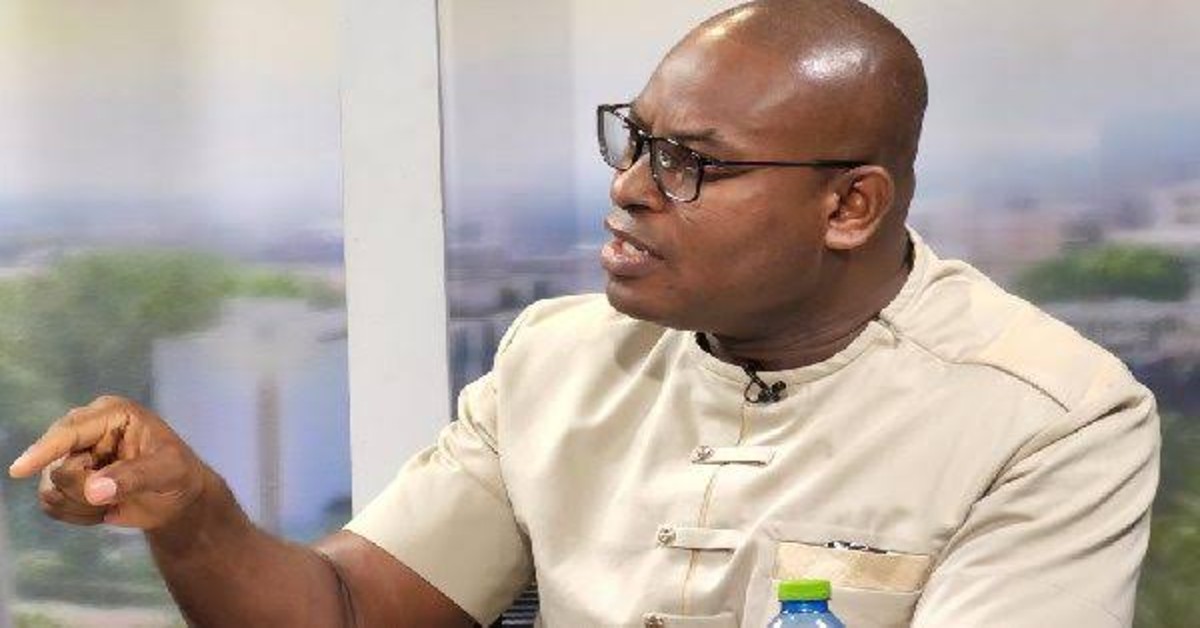
The National Communications Director of the New Patriotic Party (NPP), Richard Ahiagbah, has criticised the conviction and imprisonment of TikToker Camila Alhassan, describing the development as a repressive action that threatens freedom of expression in Ghana.
His comments come after an Accra Circuit Court sentenced the 43-year-old social media personality to one year in prison with hard labour for offensive conduct following statements she made about President John Dramani Mahama.
The Ghana Police Service has also announced plans to arraign Alhassan before a High Court on a separate charge of false communication.
Reacting to the court’s decision in a social media post on Friday, July 17, Ahiagbah said the conviction would not stop citizens from expressing their opinions in a democratic country.
He argued that attempts to suppress criticism through arrests, prosecutions and imprisonment would only increase public dissatisfaction rather than silence opposing voices.
According to him, Ghana’s democratic system guarantees citizens the constitutional right to express their views, even when those opinions are critical of public officials or the government.
Ahiagbah maintained that governments should respond to criticism through dialogue and accountability instead of criminal prosecution.
Addressing President Mahama directly in his post, the NPP spokesperson urged him to reconsider the implications of the conviction.
“Good morning, Your Excellency, President John Dramani Mahama. This repressive action against Camila Alhassan was carried out in your name. The heavy-handedness does no favors for your legacy, because such efforts can’t silence citizens in a democracy; they never worked in the past, and they won’t work now,” he wrote.
He added that history has shown that attempts to suppress dissent through force or legal action rarely succeed and often strengthen public resistance instead.
According to Ahiagbah, protecting freedom of speech is essential to preserving Ghana’s democratic values and maintaining public confidence in state institutions.
The comments come as public debate continues over the court’s decision and the broader issues surrounding freedom of expression, responsible use of social media and the enforcement of laws governing offensive conduct and false communication.
While supporters of the conviction argue that individuals should be held accountable for statements that violate the law, critics have questioned whether custodial sentences are the appropriate response to speech-related offences.
The Ghana Police Service has confirmed that Alhassan will also face proceedings before the High Court over a separate allegation of false communication.
The outcome of that case will be determined independently by the courts.
Camila Alhassan’s conviction has generated widespread discussion across social media and the political landscape, with members of both the governing party and the opposition sharing differing opinions on the ruling.
Some legal and political observers have called for a careful balance between protecting free speech and enforcing laws designed to prevent harmful or unlawful communication.
For now, the conviction remains in force while attention shifts to the pending High Court proceedings and the continuing public debate over the limits of free expression in Ghana.
Ahiagbah’s remarks have added to the growing political reaction, with the NPP communications chief insisting that democratic societies must protect citizens’ right to express their views without fear of repression.
Also Read: Ghana Nears End of External Debt Restructuring After Final Bond Exchange