

 By Zobia Zulfqar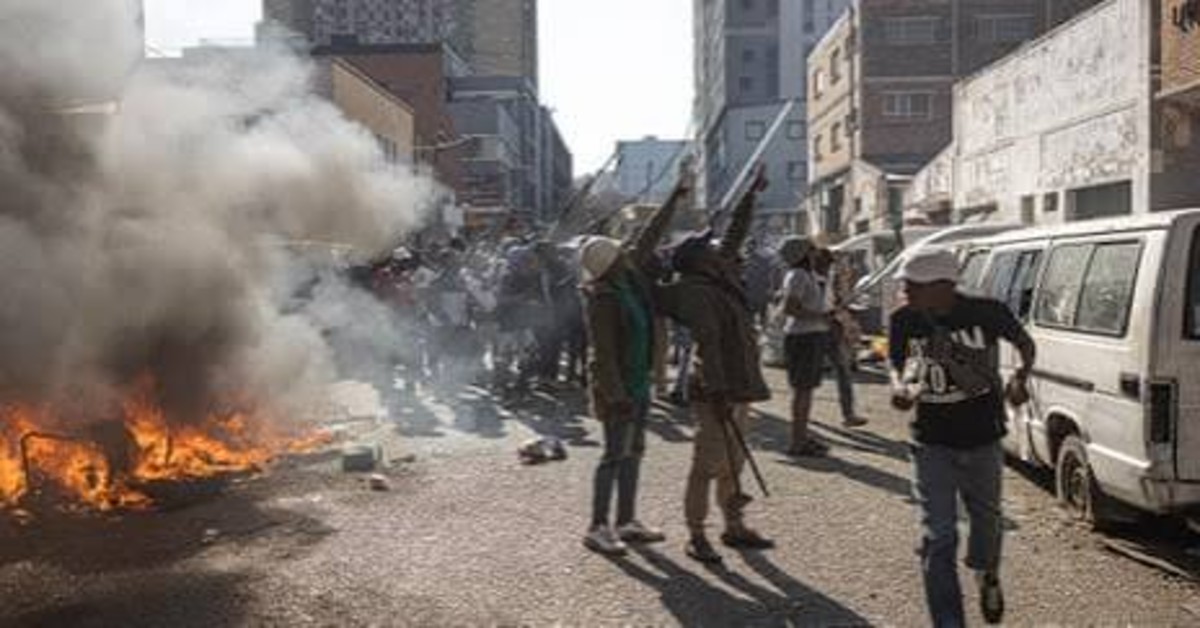
South African authorities have deployed police across several cities as anti-immigrant protests intensified, forcing businesses to close and raising concerns over the safety of thousands of foreign nationals living in the country.
The demonstrations were sparked after anti-immigrant groups issued an unofficial deadline demanding that undocumented migrants leave South Africa by Tuesday. The groups have circulated messages claiming that migrants who fail to leave by the stated deadline could face arrest and deportation.
However, the South African government has firmly rejected those claims, stressing that the groups have no legal authority to enforce immigration laws or issue deportation orders.
The protests have disrupted normal life in several urban centres, with businesses shutting their doors as demonstrators marched through the streets. Police officers have been deployed to maintain public order, prevent violence and protect residents and businesses from possible attacks.
Authorities have appealed to citizens to remain calm and avoid spreading misinformation that could increase tensions. Officials have also reminded the public that immigration enforcement remains the responsibility of government institutions and not private organisations or protest groups.
President Cyril Ramaphosa condemned any attempts to intimidate or threaten foreign nationals, stating that South Africa’s Constitution guarantees the right to peaceful protest but does not permit acts of violence, intimidation or vandalism.
“The right to protest does not allow people to threaten or intimidate others, or to engage in acts of vandalism or violence,” President Ramaphosa said.
He warned that law enforcement agencies would take action against anyone found violating the law during the demonstrations.
The growing unrest has reportedly forced thousands of migrants to flee their homes or seek temporary shelter as fears of attacks continue to spread. Some foreign nationals have chosen to remain indoors, while others have relocated to safer areas as a precaution.
Many businesses owned by migrants have also closed temporarily over concerns about looting, property damage and possible attacks.
The demonstrations have once again brought attention to South Africa’s long-standing struggle with xenophobia. The country has witnessed several outbreaks of anti-immigrant violence over the past two decades, often driven by economic hardship, unemployment and competition for jobs and business opportunities.
South Africa hosts millions of migrants from across the African continent, including people from Zimbabwe, Mozambique, Malawi, Nigeria, Ethiopia, Somalia and the Democratic Republic of Congo. Many have relocated to the country seeking employment, education or refuge from political instability and conflict.
Although undocumented migration remains a sensitive political issue, government officials have stressed that immigration laws must be enforced through legal procedures rather than intimidation or violence.
Security agencies continue to patrol affected communities while monitoring protest activities to prevent further escalation.
Human rights organisations have also expressed concern about the situation, urging authorities to ensure the safety of vulnerable communities while protecting the constitutional rights of everyone living in the country.
Civil society groups have warned that misinformation and inflammatory rhetoric could increase tensions and lead to further violence if not addressed quickly.
The latest demonstrations come amid growing public debate over immigration policy, border security and unemployment in South Africa. Some protest organisers argue that undocumented migration places additional pressure on public services and employment opportunities.
However, analysts have cautioned against blaming migrants for broader economic challenges, noting that unemployment, inequality and slow economic growth remain complex issues requiring long-term policy solutions.
Government officials have reiterated that any concerns relating to immigration should be addressed through established legal channels and not through threats against individuals or communities.
Authorities also urged residents to cooperate with law enforcement officers and avoid actions that could inflame tensions or endanger lives.
Police remain on high alert across affected areas as they continue monitoring demonstrations and responding to any reports of violence or criminal activity.
Officials say security operations will continue until public order is fully restored and communities can go about their daily activities without fear.
The government has assured both citizens and foreign nationals that it remains committed to protecting lives, enforcing the law fairly and maintaining peace throughout the country.
The developments have drawn attention across the region as neighbouring countries closely monitor the situation, particularly those whose citizens live and work in South Africa. Regional observers have called for restraint, dialogue and respect for the rule of law to prevent further escalation.