

 By Collins Sarkodieh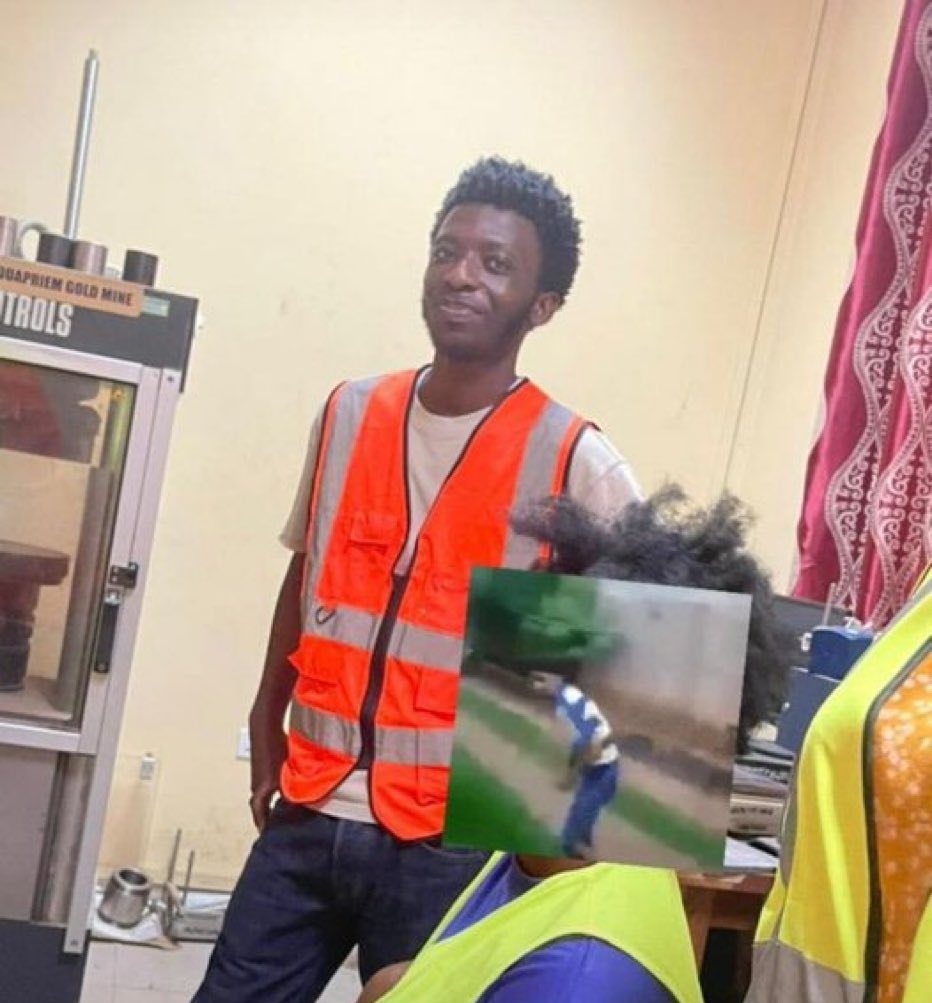
A student at the University of Mines and Technology (UMat) has tragically taken his own life following a series of financial setbacks involving a failed phone business and betting losses. The student reportedly lost approximately 16,500 Ghanaian Cedis after being defrauded by a contact abroad, leading to a desperate attempt to recover the funds through sports betting which ultimately failed.
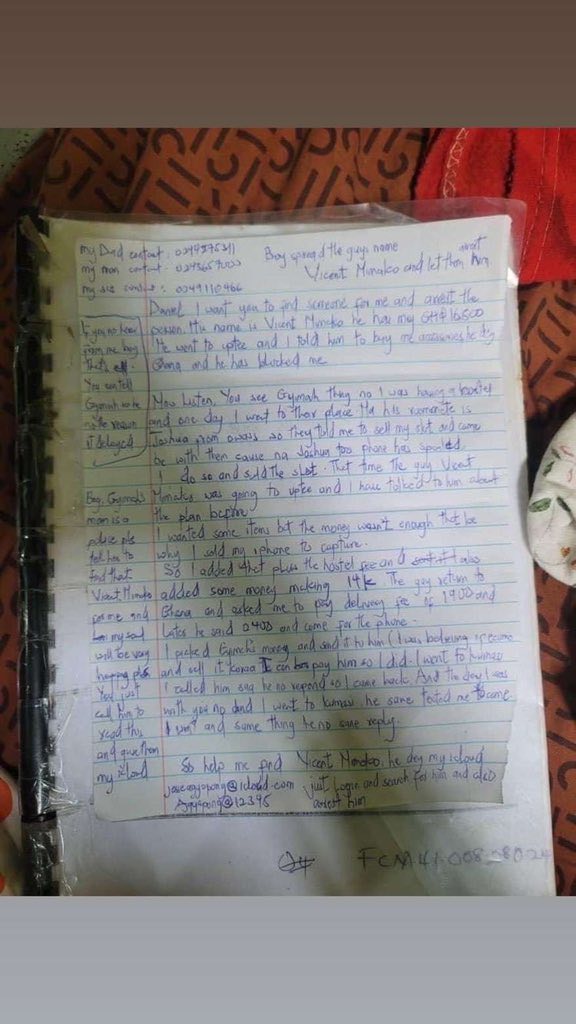
The incident has sent shockwaves through the Tarkwa community and the broader Ghanaian academic landscape, highlighting the extreme mental health pressures students face regarding financial independence. The student had allegedly sent the money to an associate overseas to purchase mobile phones for resale in Ghana, only for the individual to spend the funds and cut off contact. This initial loss forced the student into a cycle of high-stakes debt and risky financial behavior that culminated in a tragic decision to leave behind suicide notes.
What led to the financial crisis of the UMaT student?
The crisis began when the student attempted to start a retail business by sending 16,500 Cedis to an associate abroad for the purchase of mobile phones. The transaction turned into a scam when the person overseas misappropriated the money, leaving the student with no inventory and a massive debt to repay.
Starting a small business while in school is a common practice for Ghanaian students looking to support themselves, but it carries significant risks when involving international third parties. In this case, the total loss of capital placed the student in a position of extreme vulnerability. Without the goods to sell, he was unable to recoup the investment or pay back the sources he had borrowed from to start the venture.
Why did the student turn to betting to solve his debt?
In an attempt to quickly settle the 16,500 Cedi debt, the student allegedly took additional money from someone close to him and staked it on a sports betting platform. He unfortunately lost the bet, which doubled his financial burden and intensified the psychological pressure from both his family and the people he owed.
Betting is often viewed by desperate individuals as a “last-ditch” solution to financial problems, but it almost always exacerbates the crisis. For this student, the loss on the betting platform was the breaking point, as it meant he had now lost not only his original investment but also money belonging to a close associate. This “compounding debt” created a feeling of entrapment that even the intervention of his parents could not alleviate.
How did the UMaT community and parents react to the news?
The student’s parents were reportedly involved in the situation but found themselves unable to raise the significant amount needed to clear the debts in time. Following the news of his death, the UMaT community has been in a state of mourning, with many students calling for better financial counseling and mental health support on campus.
University life in Ghana is increasingly expensive, and many students feel immense pressure to succeed financially to relieve their parents of the burden. When the student’s parents were unable to settle the debt, the sense of hopelessness was likely magnified by a fear of social stigma and the legal consequences of the missing funds. The tragedy serves as a grim reminder that financial failures are often viewed as moral failures in high-pressure academic environments.
What can we learn from the UMaT student suicide notes?
The suicide notes left by the student reportedly detailed the overwhelming pressure he felt and the sequence of events that led to his final decision. These notes provide a window into the “silent struggle” many students face when business ventures fail or when betting becomes a perceived escape from reality.
Suicide notes often reflect a state of “cognitive tunneling,” where the individual can only see one way out of their problem. By documenting his financial journey, the student highlighted how a single act of fraud can spiral into a life-ending catastrophe when there is no perceived safety net. This emphasizes the need for universities to implement “Financial Literacy and Crisis Management” programs to help students navigate business losses without resorting to self-harm.
Factual Insights on Student Mental Health and Debt:
- The Scale of Debt: 16,500 Cedis is more than double the average annual tuition fee for many undergraduate programs in Ghana, making it a massive sum for a student to carry as debt.
- Betting Trends: Statistics indicate that over 40% of Ghanaian youth have engaged in sports betting, with many viewing it as a legitimate path to wealth.
- Business Fraud: Peer-to-peer international business transactions are a leading cause of financial loss among young Ghanaian entrepreneurs due to a lack of legal contracts.
- Campus Support: Most public universities in Ghana have counseling units, but they are often understaffed and underutilized by students facing financial, rather than academic, crises.
- Stigma and Suicide: Research suggests that financial shame is a primary driver of suicidal ideation among young males in West Africa.
- Emergency Hotlines: The Ghana Health Service and various NGOs maintain 24-hour helplines for individuals in mental distress, though awareness of these remains low among the student population.
What should students do when facing business losses?
Students facing business failure or fraud should prioritize transparency by informing their university’s dean of students or a counselor immediately before the debt becomes unmanageable. It is vital to seek legal advice or police intervention regarding the fraud rather than attempting to “bet your way out” of a financial hole.
Logic suggests that once a business loss occurs, the priority should be “damage control” through communication rather than high-risk recovery. Most creditors are more likely to accept a payment plan if the situation is explained honestly, whereas taking more money to gamble only guarantees a worse outcome. Breaking the silence early is the most effective way to prevent a financial setback from becoming a permanent tragedy.
Why is betting a “trap” for students with debt?
Betting platforms are designed with house edges that ensure long-term losses for the user, making them a mathematically impossible solution for debt recovery. For a student already under pressure, the “dopamine hit” of a potential win creates a false sense of hope that quickly turns into despair when the result is a loss.
In the case of the UMaT student, the pressure to settle the debt led him to take an even greater risk. This is known as “chasing losses,” a behavior where the individual believes that one big win will wipe the slate clean. Unfortunately, in the high-stakes world of betting, this rarely happens, and for this young man, it led to the ultimate loss.
The loss of a young life at the University of Mines and Technology is a painful wake-up call for the nation. It highlights the intersection of entrepreneurship, financial desperation, and the lack of robust mental health support systems for the youth.
As the Tarkwa community mourns, the focus must shift to ensuring that no other student feels that a financial mistake is worth their life. Let this tragedy be a catalyst for change in how we talk about debt, betting, and the value of human life over currency.
Do you believe that universities in Ghana should do more to monitor the business and financial activities of students, or is it purely a personal responsibility that should be handled by families?