

 By Emmanuel Bamfo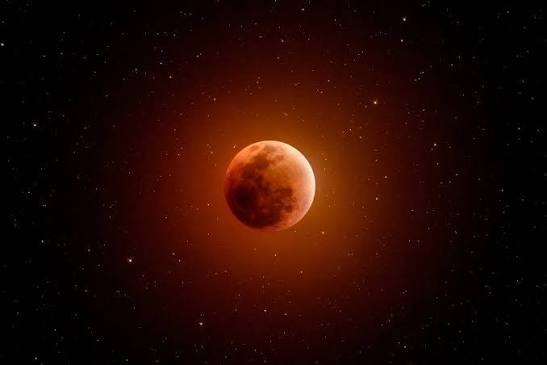
Skywatchers across the globe and right here in Ghana are always eager to catch a glimpse of celestial magic when the moon plays hide and seek with the sun. If you missed the total lunar eclipse that lit up the night skies in March 2026, you are probably wondering when the cosmos will grant us another breathtaking show. Finding reliable details about upcoming celestial alignments can be frustrating when most astronomy websites only focus on viewers in North America or Europe.
As an experienced content strategist who has tracked astronomical events for over a decade, I am here to break down the exact schedules without the confusing jargon. We will explore the science, exact timings, and visibility maps so you can plan your midnight stargazing session properly. Let us dive straight into the numbers and facts you need to know about the next lunar alignment.
Why Does The Moon Turn Red During An Eclipse?
A lunar eclipse happens when Planet Earth moves directly between the Sun and the Moon, casting a massive shadow across the lunar surface. Instead of going completely pitch black, the moon glows with a striking coppery red or orange hue that has fascinated humanity for centuries.
Scientific data from NASA explains that this phenomenon occurs because Earth’s atmosphere filters out shorter blue light wavelengths while bending longer red wavelengths through a process called Rayleigh scattering. Think of it as every sunrise and sunset happening simultaneously across the entire rim of our planet, projecting their combined glow onto the moon. Statista astronomical tracking reports confirm that total and deep partial lunar eclipses occur several times each decade, providing predictable yet mesmerizing spectacles for stargazers.
When Exactly Is The Next Lunar Eclipse In 2026?
The next lunar eclipse is a deep partial lunar eclipse that takes place overnight from August 27 into the early morning hours of August 28, 2026. According to official NASA sky bulletins, nearly ninety-six percent of the lunar disk will slip directly into the darkest part of Earth’s umbral shadow.
Astronomical schedules show that the penumbral phase begins globally around 2:34 UTC, with the dramatic partial shadow bite becoming clearly visible shortly after. The peak of this celestial event occurs around 4:13 UTC, creating an impressive near blood moon effect before the shadow gradually recedes. Observers across the Americas, parts of Europe, and western regions of Africa get a front-row seat to watch this cosmic event unfold live in the night sky.
Can You Watch The Lunar Eclipse Clearly From Ghana?
Skywatchers living in Ghana and across West Africa can observe the remarkable August 2026 partial lunar eclipse as it graces the early morning sky. Local astronomical data for Accra and surrounding areas indicates that the penumbral phase kicks off past midnight, giving night owls a great viewing window.
The maximum partial phase peaks locally in the pre-dawn hours around 4:12 am, making it ideal for anyone willing to step outside before sunrise. Because the moon will be hanging low toward the western horizon during the final stages of the eclipse, finding an open rooftop or a spot away from tall buildings will give you the best view. Always check local weather forecasts beforehand, as cloud cover during the rainy season can occasionally play tricks on stargazers.
What Are The Future Lunar Eclipse Dates To Bookmark?
If you happen to miss the August 2026 event, the cosmic calendar has plenty of other alignments lined up over the next few years. Space agencies map these cycles decades in advance using precise Newtonian mechanics and orbital tracking to ensure high accuracy.
Data compiled by Time and Date highlights that a penumbral lunar eclipse will follow on February 20, 2027, visible across the Americas, Europe, Africa, and parts of Asia. Another penumbral event takes place on July 18, 2027, favoring eastern Africa, Asia, and Australia. Keeping a personal astronomy log helps you stay prepared so you never miss out when the moon enters Earth’s shadow again.
Do You Need Special Eye Protection To Watch A Lunar Eclipse?
Unlike solar eclipses which require certified protective glasses to prevent permanent eye damage, watching a lunar eclipse is completely safe for the naked eye. You can stare directly at the moon for as long as you want without worrying about harming your vision.
Optical experts note that while safety gear is unnecessary, using a pair of standard binoculars or a small telescope will dramatically enhance your viewing experience. Binoculars help bring out the subtle color shifts along the edge of Earth’s shadow, turning a simple grey moon into a detailed, textured sphere of crimson and copper. Step outside, grab a comfortable chair, and enjoy one of nature’s most relaxing nighttime shows without any expensive equipment.
Also Read: Motorola Edge 70 max review