

 By Ishmeal Ntakor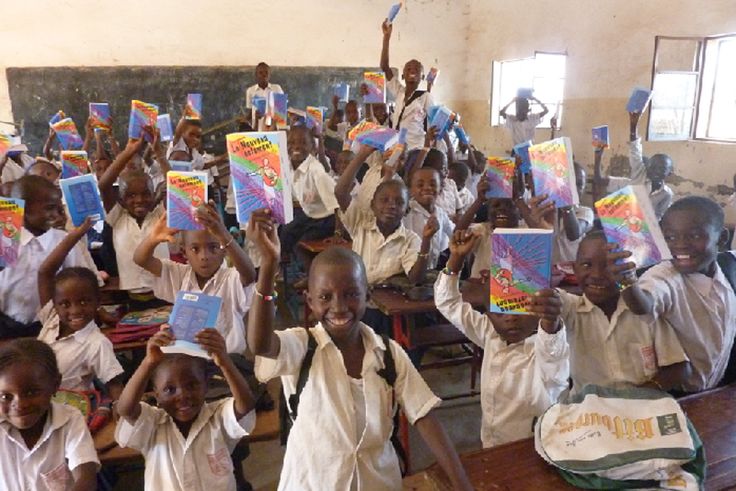
Let’s ask a question that affects almost every Ghanaian family:
After spending years in school, are our young people truly prepared for the world of work?
For many Ghanaian parents, education remains one of the biggest investments they make in their children.
School fees.
Uniforms.
Books.
Transportation.
Accommodation.
Feeding.
University fees.
Families sacrifice a lot because they believe education will give their children a better future.
But when the student finally graduates, another question often begins:
“What next?”
A certificate is important, but is a certificate alone enough in today’s economy?
The world of work is changing rapidly. Technology, artificial intelligence, digital marketing, entrepreneurship, coding, data, skilled trades and other practical abilities are becoming increasingly important.
Ghana’s 2026 budget includes plans to introduce more practical skills such as electronics, robotics, coding and artificial intelligence into parts of the basic-school curriculum, while also expanding TVET opportunities.
That raises an important conversation:
SHOULD EDUCATION BE MORE PRACTICAL?
Imagine a student leaving school with both a certificate and a practical skill.
Imagine a graduate who can communicate professionally, use technology, manage money, start a small business, understand digital tools and solve real-world problems.
Imagine schools working closely with businesses so students can gain experience before graduation.
Would that change the transition from school to work?
But there is another side.
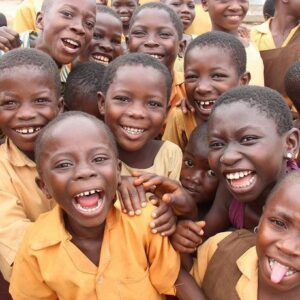
Not every young person wants to follow the traditional university route.
Some may be better suited to technology.
Others may excel in agriculture, construction, fashion, mechanics, catering, media, healthcare, tourism or entrepreneurship.
So perhaps the question should not only be:
“What certificate do you have?”
Maybe we should also ask:
“What can you do?”
And to the government, schools, parents, teachers and employers:
Are we giving young people enough opportunities to gain practical experience?
Are internships accessible?
Are technical and vocational careers receiving enough attention?
Are schools teaching financial literacy and digital skills?
Are employers willing to give young graduates their first opportunity?
Because a young person cannot gain five years of experience if nobody is willing to give them their first job.
NOW LET’S HEAR FROM YOU!
If you could change ONE thing about Ghana’s education system, what would you change?
Choose one:
More practical skills
Better teaching and learning facilities
More internship opportunities
More TVET and vocational training
More technology and AI education
Lower education costs
Better connection between school and employment
Something else
And one more question:
Should every young Ghanaian go to university, or should society give equal respect to vocational and technical careers?
Drop your answer and explain WHY.
Let’s move beyond political arguments and talk about something that affects our homes directly:
The education and future of Ghana’s next generation. 🇬🇭
Also Read More :https:
https://ghananewspage.com/ghanas-new-road-rules-what-drivers-must-fix-before-october-1/