By Collins Sarkodieh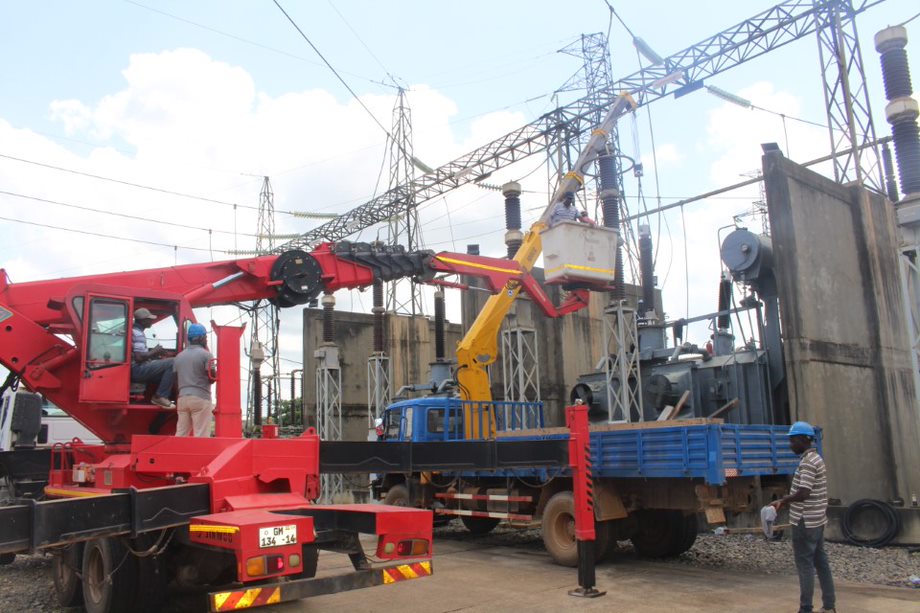
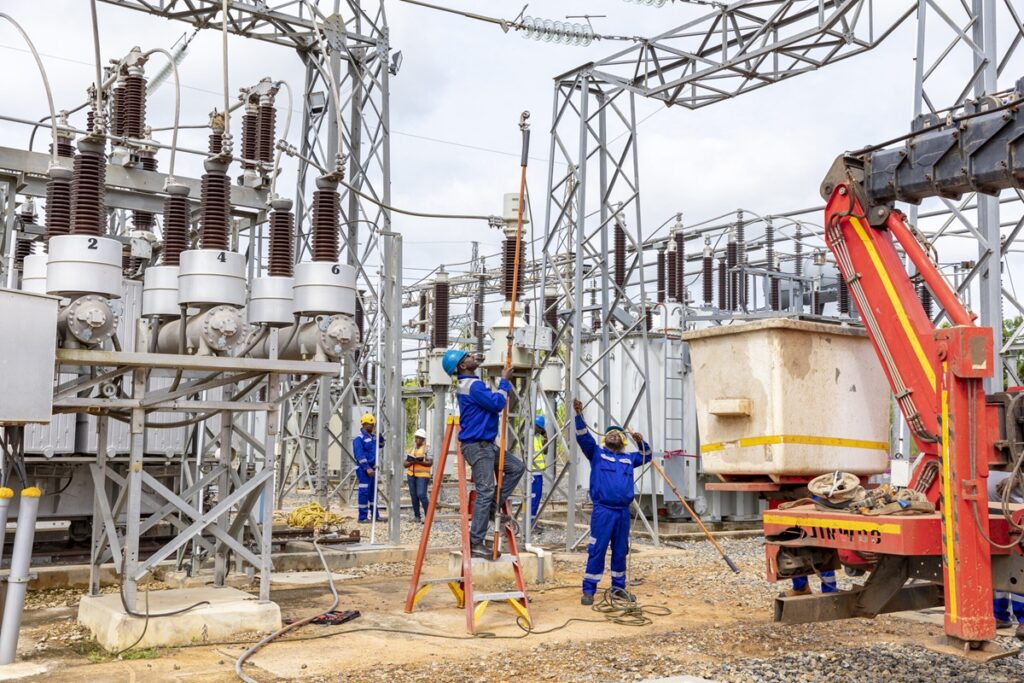
The Akosombo Dam, Ghana’s primary hydroelectric power source, was forced into a complete shutdown following a catastrophic fire that decimated the GRIDCo switchyard and control room. Energy Minister John Jinapor has confirmed that after 72 hours of intensive labor, engineers have successfully restored the first and second generation units, marking a critical step in recovering from a national emergency that wiped out 960MW of power from the national grid.
The scale of the destruction at the GRIDCo substation is unprecedented, with officials describing the primary control room as “completely gone and not salvageable.” This facility acts as the central nervous system for power transmission in Ghana, and its loss triggered immediate, widespread blackouts across the country. While the restoration of two units brings some relief, the path to full stability remains long, as the “brain” of the dam’s distribution network must be entirely rebuilt.
What caused the Akosombo Dam to shut down completely?
The shutdown was triggered by a massive fire at the GRIDCo substation switchyard at 2:01 PM on Thursday, April 23, 2026, which physically destroyed the infrastructure required to transmit power from the dam to the national grid. Because the switchyard and control room were compromised, the dam’s turbines had to be halted to prevent a total system collapse or further electrical explosions.
When a substation of this magnitude catches fire, the automatic safety protocols “trip” the entire system to protect the hydroelectric turbines from feedback surges. The destruction of the primary control room means that operators lost the ability to monitor and regulate voltage, making it impossible to keep the plant running safely. Logic dictates that until the “switching” infrastructure is functional, the power generated by the dam has nowhere to go, essentially turning a multi-megawatt asset into a dormant giant.
How much generation capacity was lost due to the GRIDCo fire?
According to the Africa Centre for Energy Policy (ACEP), the fire removed approximately 960MW of generation capacity from the national system. This loss represents a massive portion of Ghana’s daily energy requirement, explaining why nearly every region in the country experienced prolonged “Dumsor” (power outages) over the weekend.
Losing 960MW in an instant is an electrical shock that few grids can handle without shedding load. For context, this amount of power is enough to supply multiple major cities simultaneously. ACEP has called for an immediate, independent investigation into the fire and is urging the government to release a reliable load-shedding timetable. Their argument is logical: if the system is missing nearly 1,000MW, the public needs to know exactly when their lights will be off so they can protect their businesses and livelihoods.
What is the status of the restoration efforts at Akosombo?
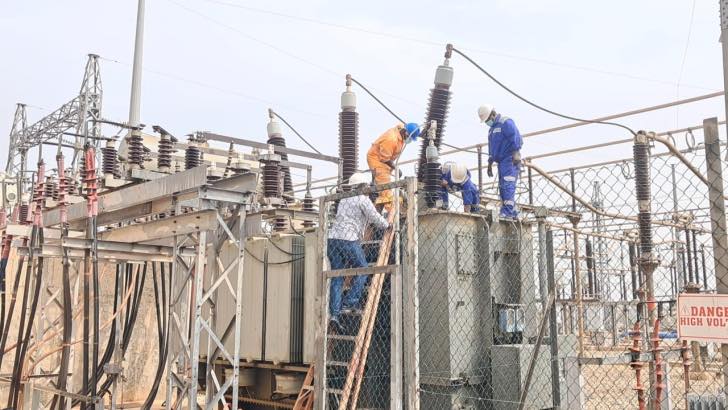
As of Monday, April 27, the first and second generation units have been successfully restored and synchronized back into the grid. Energy Minister John Jinapor praised a team of dedicated engineers who remained on-site for three straight days without leaving, working in shifts to bypass the destroyed control systems and re-establish a stable transmission path.
Restoring these two units is a significant technical feat, but it does not mean the crisis is over. The dam typically operates with six units. Operating with only two means the grid is still under extreme pressure. Engineers are likely using “manual overrides” and temporary control patches to manage the flow of electricity while they wait for new control room components to be imported and installed. The “heroic” effort of the technical team has prevented a total national blackout, but the grid remains in a “fragile” state.
Why was the GRIDCo CEO asked to step aside?
The Minister of Energy has instructed the CEO of GRIDCo to step aside pending a full-scale investigation into the fire and the subsequent management of the crisis. This decision was accompanied by a major leadership shake-up at the Electricity Company of Ghana (ECG) in the Ashanti Region, aimed at improving distribution efficiency during this emergency period.
In any high-stakes infrastructure failure, administrative accountability is a mechanical necessity. The investigation will look into whether maintenance protocols were followed and if the fire could have been prevented with better surveillance or fire-suppression systems. By moving the leadership aside, the Ministry ensures that the investigative team has unfettered access to all data and personnel records. The shake-up in the Ashanti Region further suggests that the government is unhappy with how local power distribution was prioritized during the initial hours of the blackout.
Factual Insights on the Akosombo GRIDCo Fire and Recovery:
- Timing of the Incident: The fire started at exactly 2:01 PM on Thursday, April 23, 2026.
- Generation Deficit: ACEP confirms a loss of 960MW, which is nearly 20% of Ghana’s total installed capacity.
- Control Room Status: The primary control room is officially “non-salvageable,” necessitating a complete rebuild.
- Ministerial Intervention: John Jinapor’s address confirmed the restoration of two units as of April 27.
- Engineering Dedication: Technical teams worked 72+ consecutive hours on-site to achieve the first phase of restoration.
- Ashanti Region ECG: The leadership change there is a direct response to distribution challenges in Kumasi and surrounding areas.
- National Security: The Akosombo site is now under high-security surveillance to protect the remaining operational units.
Will there be a formal load-shedding timetable?
Despite calls from ACEP and the general public, the government has yet to release a formal, long-term load-shedding timetable. However, the restoration of the first two units may reduce the frequency of outages, though “targeted system upgrades” and manual load-sharing will likely continue in Accra East and other key districts.
Logic suggests that the government is hesitant to release a timetable because it signals a “long-term” problem. However, from a consumer perspective, a timetable provides the “truth” needed to plan. Without one, citizens are left guessing if their lights will go off at 6:00 PM or midnight. If the 960MW deficit persists, a timetable becomes a logical necessity to prevent further damage to industrial machinery and household appliances due to unannounced “tripping.”
Also Read: The Return of Dumsor: Ghanaians Demand Transparency Amidst Unannounced Power Cuts
What are the economic implications of the Akosombo shutdown?
The shutdown has had a devastating effect on Ghanaian businesses, with production productivity plummeting and companies warning of imminent price hikes for products. Offices in major hubs like Accra and Kumasi have been forced to close early or spend thousands of Cedis on diesel for backup generators.
When the “heart” of the energy sector stops beating, every other sector feels the pain. The cost of running a 24-hour economy on generators is unsustainable for most SMEs. If the restoration of the remaining four units takes several weeks, we could see a measurable dip in Ghana’s GDP growth for the quarter. The logic of the business community is simple: they need “predictable power” to stay profitable. The current instability is driving up the “cost of doing business,” which will eventually be passed down to the consumer in the form of higher prices for basic goods.
How are security agencies involved in the investigation?
National security agencies are working alongside fire forensic experts to determine if the fire at the GRIDCo substation was an accident or a deliberate act of sabotage. This high level of scrutiny is due to the strategic importance of the Akosombo Dam to Ghana’s sovereignty and regional stability.
The “completely gone” status of the control room is what has raised eyebrows among security analysts. A fire that destroys a “hardened” facility so thoroughly requires a deep forensic dive. Whether it was an electrical fault in an aging switchyard or something more nefarious, the truth is essential for preventing a recurrence. Security around all other major substations in Ghana including those in the Western and Ashanti regions has been significantly beefed up in the last 48 hours as a precautionary measure.
What should the public expect in the coming days?
Ghanaians should expect “gradual stabilization” as more units are brought online, but they should also be prepared for “localized outages” as engineers continue to repair the transmission lines. The Ministry of Energy is expected to provide a daily briefing to keep the nation updated on the progress of the reconstruction at the GRIDCo site.
Also Read: Energy Minister John Jinapor to Address Nation on Power Sector Crisis and Grid Security
The next 72 hours are critical. If the first two units hold steady, engineers will likely begin the delicate process of synchronizing a third unit. The public is advised to keep sensitive electronics unplugged when not in use, as the “manual” nature of the current grid management can lead to voltage spikes. The Winning Language from the government is “restoration,” but the reality for the citizen remains “caution.”