

 By Aaron Hammond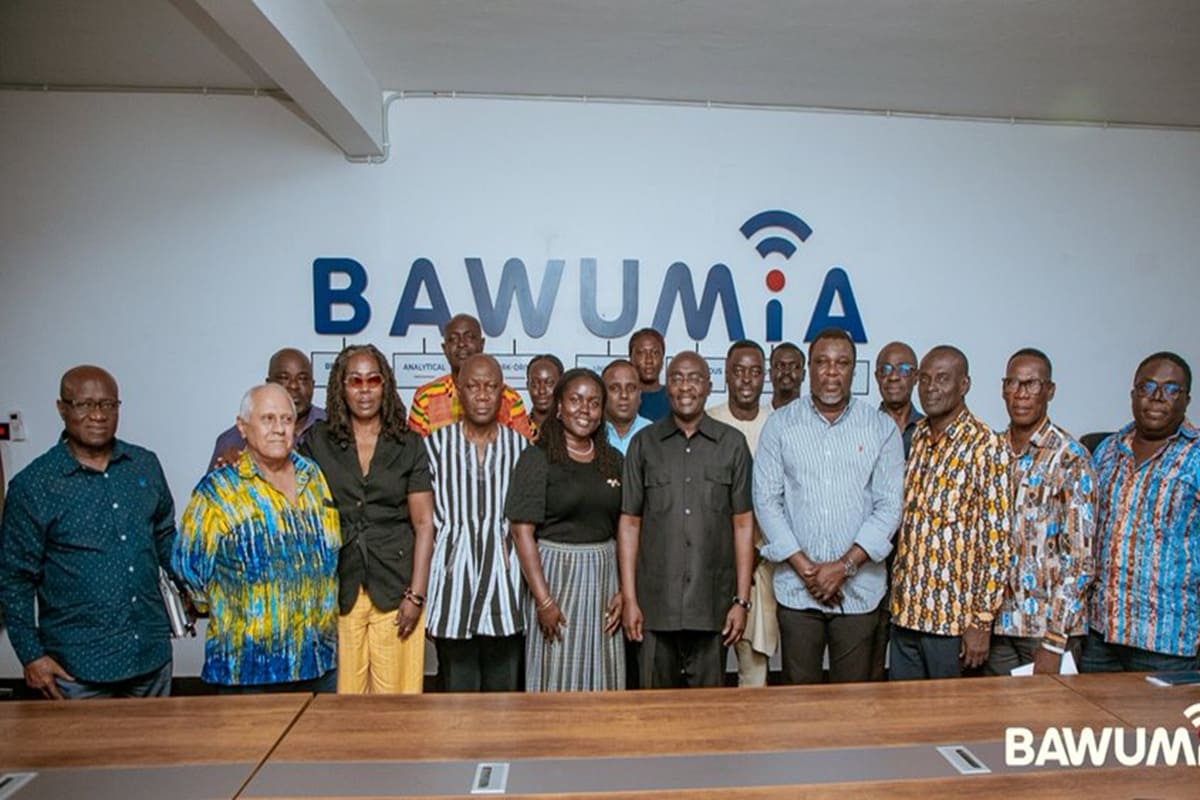
Doing business across borders can give someone serious headache if the systems refuse to work properly. Dr Mahamudu Bawumia recently sat down with the Federation of Association of Ghana Exporters to trash out burning issues. Both traditional and non-traditional exporters came through to share their bitter experiences on the field. When you look at successful economies like the famous Asian Tigers, you will realize they survive mainly on heavy exports.
Our local traders and producers are really trying their best under very difficult market conditions. However, they keep hitting roadblocks that prevent them from competing favorably with international competitors. Bawumia noted that learning from successful global economic models means we must deliberately support our domestic producers. Without proper policy incentives, local businesses will continue struggling to push goods beyond our national borders.
Major barriers facing our hardworking exporters
Exporters have pointed out several bottlenecks that make international trade feel like climbing Mount Afadjato barefoot. Getting affordable credit from commercial banks remains a very big headache for many growing businesses. High interest rates mean you borrow money today and spend the rest of your life paying heavy bank charges. Aside from funding problems, land acquisition for farming and processing factories comes with endless litigation and stress.
Regulatory agencies also sometimes create unnecessary delays instead of facilitating smooth business transactions. Standards compliance can frustrate producers who want to export quality goods to European and American markets. If the testing procedures take forever, perishable items spoil before they even leave the port warehouse. Solving these systemic roadblocks requires urgent practical solutions rather than long grammar on paper.
Strategic policy solutions for economic growth
To transform Ghana into a powerhouse of trade, we need solid infrastructure in countries where we sell our goods. Establishing functional trade houses abroad will help our products secure reliable shelf space in foreign supermarkets. Bawumia emphasized that fixing the regulatory environment and exchange payment regimes must become topmost national priorities. When foreign exchange rates keep jumping up and down like a wounded frog, business planning becomes impossible.
Protecting acquired land and easing access to credit will encourage more young entrepreneurs to enter agro-processing. We cannot keep exporting raw cocoa and gold without adding value to create meaningful jobs for our youth. Supporting exporters means building an ecosystem where local industries can scale up without breaking down. The government and private sector must work hand in hand to make Ghanaian goods respected globally.
The way forward for Ghanaian trade
Listening to the concerns raised by the Federation of Association of Ghana Exporters shows that stakeholder engagement works. Policy makers must always consult people who actually feel the pinch of the market before drafting laws. Ghana has all the human and natural resources needed to dominate regional and international markets. With the right incentives and targeted institutional backing, our export sector will definitely bounce back stronger.
The ball is now in the court of decision makers to implement these brilliant proposals without unnecessary delays. Exporters are ready to work, produce, and bring foreign exchange back home to stabilize the local currency. Let us give our business community the maximum push they deserve to conquer the global market. After all, a strong export economy is the surest way to secure a prosperous financial future for Ghana.
Also Read: NPP-NDC Duopoly: Why Alan Kyerematen Says It Must End
Source: Ghana News Page