

 By Ishmeal
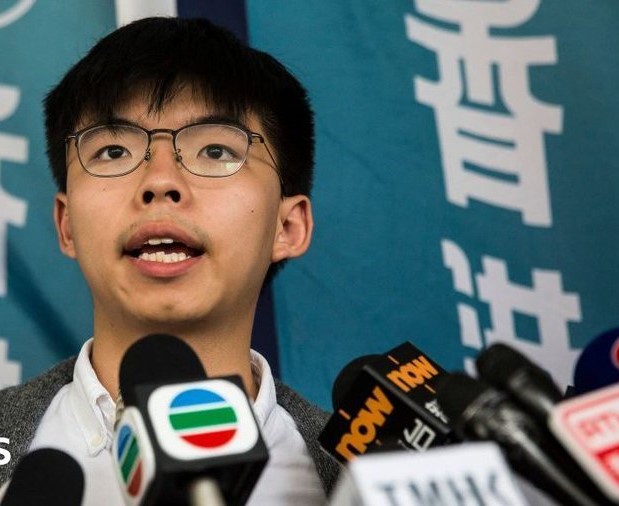
Hong Kong pro-democracy activist Joshua Wong has been sentenced to 10 years in prison after pleading guilty to conspiring to collude with foreign forces under the city’s controversial national security law.
The 30-year-old activist was sentenced by the Hong Kong High Court on Thursday, November 5, 2026. The ruling marks his second conviction under the legislation introduced by Beijing in 2020.
Wong was accused of working with self-exiled activist Nathan Law and other individuals to encourage foreign governments and organisations to impose sanctions, blockades or other hostile measures against China and Hong Kong.
The prosecution focused on Wong’s international lobbying activities and efforts to draw foreign attention to developments in Hong Kong. He had previously engaged with foreign politicians and international media as part of his campaign for democratic reforms.
Wong pleaded guilty to the latest charge in September 2026. According to reports from the court, the judge initially set a 13-year starting point before reducing the sentence by three years in consideration of his guilty plea and other mitigating factors.
Second conviction under national security law
Wong was already serving a four-year-and-eight-month prison sentence imposed in 2024 for conspiracy to commit subversion.
That earlier conviction was connected to his participation in an unofficial primary election held by Hong Kong’s pro-democracy camp in 2020. He was among 45 opposition figures convicted in the case.
The latest sentence means Wong will remain in prison for several more years. A portion of the new term will run concurrently with his existing sentence, and reports indicate that he could remain behind bars until late 2036.
Who is Joshua Wong?
Joshua Wong became internationally recognised as a leading figure in Hong Kong’s pro-democracy movement while still a teenager.
He first gained prominence during the 2014 Umbrella Movement, which called for greater democratic participation and electoral reforms in the Chinese territory.
He later co-founded Demosisto, a political organisation that advocated democratic self-determination for Hong Kong. Wong also became involved in international lobbying efforts, seeking support from foreign governments over political developments in the city.
His activism continued during the 2019 demonstrations, which were initially sparked by opposition to a proposed extradition bill and later expanded into broader demands for political reforms.
National security law attracts international criticism
China introduced the national security law in Hong Kong in June 2020, saying it was necessary to restore stability and address activities considered threats to national security.
However, the legislation has attracted criticism from human rights organisations and several foreign governments, which argue that it has been used to restrict political opposition, freedom of expression and civil society activities.
Amnesty International criticised Wong’s latest sentence, arguing that the law was being used to punish dissent. Human Rights Watch also condemned the ruling and called for his release.
Hong Kong authorities and Beijing, however, maintain that the law is necessary to protect national security and uphold stability.
Wong’s 10-year sentence has renewed international attention on Hong Kong’s political environment and the future of its pro-democracy movement.
Also Read:Naana Jane Italian Ambassador Discuss-Ghana Italy Cooperation