

 By Emmanuel Fletcher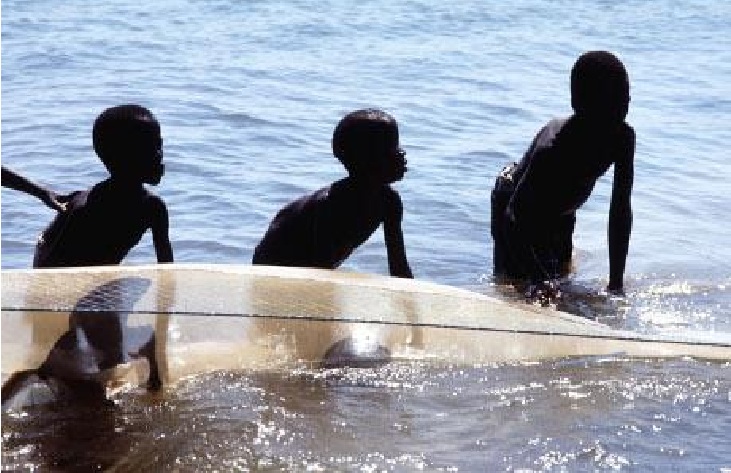
A brave survivor of the human trafficking industry on Lake Volta has sent a powerful message to state officials regarding our national child welfare policies. Godson Glawu, who spent an entire decade trapped in forced labor, has called on the Ghanaian government to treat child protection funding as a sustained national priority.
The historic appeal took center stage at Ghana’s National Justice Conference 2026 held at the capital city of Accra. Speaking directly under the event theme focused on sustainable funding for child protection against labor exploitation, the young advocate explained how coordinated state rescue and aftercare investments transformed his life.
Trapped at Seven and Rescued at Seventeen Along the Volatile Lake Volta
The emotional testimony provided by Godson Glawu paints a chilling picture of the dangers vulnerable children face in remote fishing communities. At the tender age of seven, syndicates trafficked him from his hometown of Keta in the Volta Region to the vast waters of Lake Volta.
For ten painful years, his handlers forced him into dangerous fishing labor, which frequently included diving deep into the lake without protective gear to untangle caught nets. Glawu recounted enduring severe physical beatings, living in absolute fear, and witnessing the tragic drowning of a close childhood friend before his rescue at age seventeen.
Now a successfully trained electrician and local entrepreneur, Glawu uses his freedom to run community outreach programs back home in Keta through the Ghana Survivor Network. Working closely alongside the local police and the Department of Social Welfare, the young leader helps prevent child exploitation at the grassroots level.
Glawu emphasized to state officials that the Ministry of Gender, Children and Social Protection must look past temporary crisis interventions. True child welfare requires a major increase in sustained financial resources for the Human Trafficking Fund, the domestic police service, and localized prevention programs.
How Individual Actions and Church Support Fill Critical Welfare Gaps
While institutional budgets remain tight, the survivor highlighted how local community heroes are stepping up to defend vulnerable infants. Glawu praised Pastor Busenu Deku of Keta, a local clergyman who has opened his church doors to house survivor leaders and personally funds local radio slots to build trafficking awareness.
This individual sacrifice demonstrates how ordinary citizens can significantly boost the safety structures of the state when public resources run low. If we truly want to clear child labor off Lake Volta permanently, our state agencies, civil society groups, and the International Justice Mission must turn their written legislative promises into fully funded, long term protection networks.
Also Read: International Justice Mission Urges Ghanaians to Speak Out Against Rising Human Trafficking