

 By Emmanuel Fletcher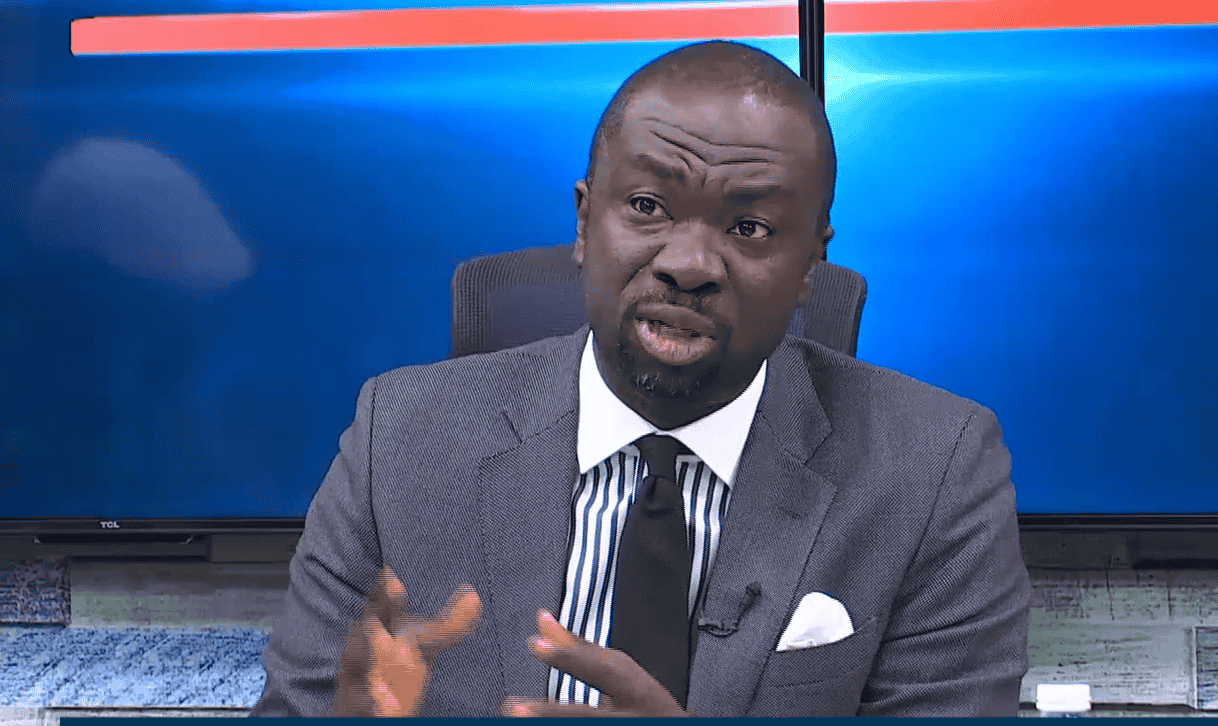
The passage of the Tribunals Bill 2026 in Parliament has triggered intense debate within Ghana’s legal and political space. Lawmaker for Manhyia South, Nana Agyei Baffour Awuah, has strongly criticized the new legislation, arguing that reintroducing tribunals will not resolve the underlying challenges facing the judicial system.
Speaking on Channel One TV’s The Point of View show on Monday, July 20, 2026, the MP warned that the law fails to offer a practical remedy for court delays. His sharp opposition joins a growing chorus of legal experts questioning whether creating additional judicial panels actually improves access to justice for ordinary citizens.
Addressing host Bernard Avle during the broadcast, Nana Agyei Baffour Awuah rejected claims that tribunals deliver faster rulings than regular courts. He explained that panel deliberations take a very long time because multiple judges must agree before making any final decision.
Furthermore, he pointed out that tribunals cause frequent scheduling delays whenever one panel member is absent. If a single panel member misses a sitting due to illness or personal emergency, the entire legal proceeding comes to a complete standstill, forcing land and commercial cases to drag on for years.
The Manhyia South legislator also expressed grave concern over potential corruption within tribunal structures. He argued that granting sweeping powers to tribunal panel members creates dangerous opportunities for financial influence and authority abuse.
Baffour Awuah asserted that giving significant discretionary power to small panels makes the system highly vulnerable to bribery. Because of these structural flaws, he maintained that the newly passed bill is completely unfit for purpose and fails to protect the constitutional rights of Ghanaian citizens.
Joining the criticism, the New Patriotic Party’s 2028 flagbearer, Dr Mahamudu Bawumia, has officially appealed to President John Dramani Mahama not to sign the bill into law. He stressed that a major legislative change affecting the judicial architecture requires deep national consensus.
Dr Bawumia emphasized that Parliament should only enact constitutional laws after thorough consultation with the Ghana Bar Association, civil society organizations, and judicial stakeholders. Rushing such sensitive legislation without broad agreement risks destabilizing public trust in our democratic legal institutions.
For many Ghanaian citizens who deal with slow court cases daily, investing directly in the existing judicial system remains the most logical solution. Expanding infrastructure for traditional circuit and high courts while hiring more judges provides a direct route to faster justice.
Creating parallel tribunal systems risks duplicating costs and confusing ordinary litigants. As the bill awaits executive action, the public remains eager to see whether President Mahama will sign the document or return it to Parliament for broader stakeholder review.