

 By Collins Sarkodieh
Doctors at the Kwame Nkrumah University of Science and Technology (KNUST) have issued a stark warning that children in Ghana are still losing their lives to pneumonia, a disease that is entirely preventable through routine immunization.
As the global community prepares for World Immunization Week (April 24–30), health experts are highlighting a dangerous decline in vaccine coverage that leaves the nation’s youngest citizens unprotected against life-threatening infections.
Despite the fact that vaccines protecting against pneumonia, meningitis, and measles are provided free of charge by the government, recent data indicates that a significant number of children are missing their scheduled shots. This lack of protection is creating a public health crisis, particularly in rural areas where barriers to healthcare access remain high. Organizations like Pfizer and local health directorates are working to bridge these gaps, but the resurgence of vaccine hesitancy and practical logistical hurdles continue to stall progress in reducing childhood mortality.
What is the current status of childhood vaccination in Ghana?
A recent analysis has revealed that only 56.45% of children in Ghana aged 12–35 months are fully vaccinated according to the national immunization schedule. This means nearly half of the toddlers in this age bracket have missed at least one critical dose, creating significant regional disparities that put certain communities at much higher risk for outbreaks of preventable diseases.
This 56.45% figure is particularly alarming to pediatricians because it falls far below the threshold required for herd immunity. When vaccination rates drop, the “safety net” that protects the entire community weakens, allowing diseases like measles and pneumonia to spread rapidly among the unprotected. Health experts at KNUST point out that while some regions maintain high coverage, others are falling behind due to inconsistent supply chains and a lack of local health outreach, leading to the tragic and unnecessary loss of young lives.
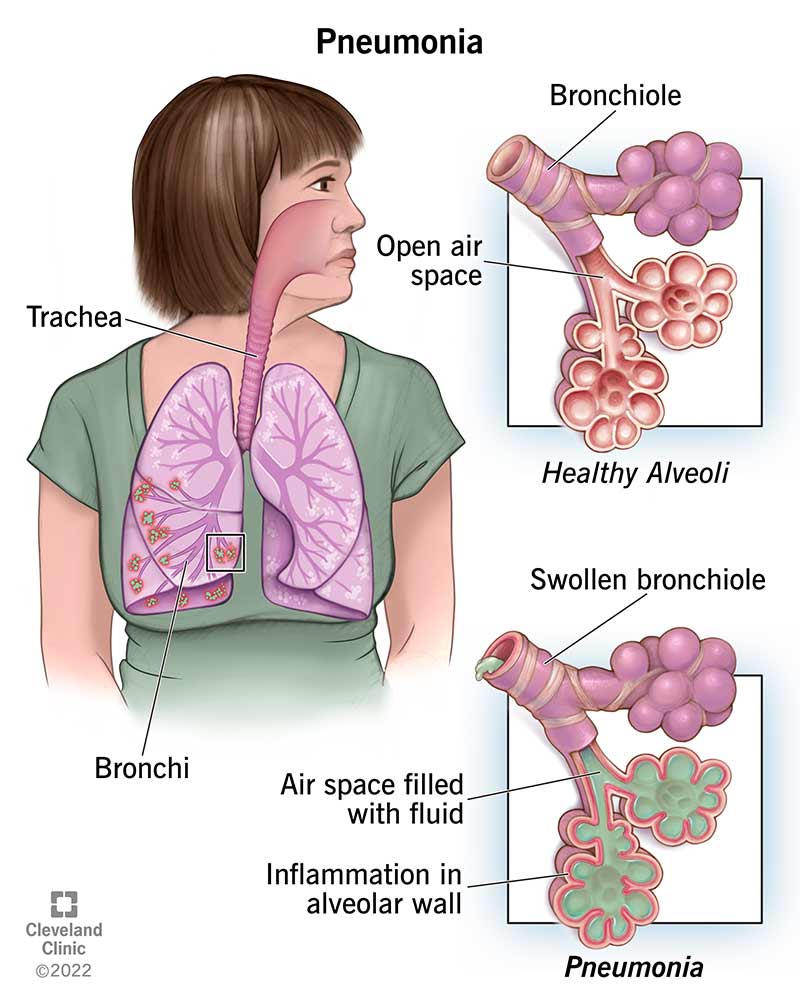
Why are children still dying from pneumonia if the vaccine is free?
Children in Ghana continue to die from pneumonia primarily because of gaps in vaccination coverage caused by vaccine hesitancy, delays in seeking medical care, and practical barriers such as transportation costs. Dr. Sandra Kwarteng Owusu, a Paediatric Pulmonologist at KNUST and Komfo Anokye Teaching Hospital, notes that she frequently sees fatal cases of pneumonia in children who have never received a single dose of the protective vaccine.
The tragedy lies in the fact that the PCV (Pneumococcal Conjugate Vaccine) is widely available at no cost to parents. However, if a child is not brought to the clinic during the crucial early months of life, they remain vulnerable. Dr. Owusu explains that even if the vaccine is free, the “cost” of reaching the clinic—both in terms of actual transport fares and the time lost from work or farming can be too high for many families, resulting in missed appointments and incomplete immunization records.
Also Read: Mahama Clarifies Purpose of Tricycles in Free Primary Healthcare Rollout
How does vaccine hesitancy impact public health in Ghana?
Vaccine hesitancy in Ghana has surged following the pandemic, fueled largely by misinformation and deep-seated fears in some communities regarding the safety of routine shots. Many parents are now expressing uncertainty about whether it is safe to vaccinate their children, leading to a “wait and see” approach that often results in the child missing the optimal window for protection.
This hesitancy is a major hurdle for health workers who are trying to maintain herd immunity levels. Misinformation often spreads faster than factual health data, particularly on social media and through word-of-mouth in rural villages. Experts warn that this skepticism is not just an individual choice; it is a community-wide risk. When enough parents opt out or delay shots, the risk of outbreaks increases for everyone, including children who are too young to be vaccinated or those with compromised immune systems.
What are the early warning signs of pneumonia in young children?
Pneumonia in young children often begins with seemingly mild symptoms like a cough and fever, but it can progress with frightening speed into a life-threatening emergency. Parents are urged to look for “fast or difficult breathing” and “chest indrawing,” where the skin between or below the ribs appears to be sucked in while the child breathes.
Other critical signs include a sudden difficulty in feeding and extreme lethargy. Because these symptoms can initially mimic a common cold, many parents delay seeking professional care until the infection has reached an advanced stage. Dr. Owusu stresses that early intervention is key; once the disease progresses to severe respiratory distress, the risk of life-threatening complications increases significantly, even with hospital-level treatment.
What practical barriers prevent parents from vaccinating their children?
The most common practical barriers to vaccination in Ghana include the high cost of transportation to distant clinics and the competing priorities of daily survival, such as farming or market work. For a mother in a remote village, a trip to the nearest health center might require a full day of travel and a significant portion of her weekly income, making it a difficult choice to prioritize over immediate needs like food.
Health experts are calling for more “mobile clinics” and community-based outreach to bring vaccines directly to the doorsteps of these families. By removing the need for long-distance travel, the health system can significantly improve the 56.45% coverage rate. Addressing these logistical hurdles is just as important as providing the vaccine for free, as the “hidden costs” of healthcare are often what keep the most vulnerable children from being protected.
How do gaps in protection lead to outbreaks like measles?
Even small declines in routine vaccination coverage can reduce herd immunity, providing an opening for highly contagious diseases to strike. Experts point to recent measles outbreaks in northern Ghana as a chilling reminder of how quickly protection gaps can lead to serious consequences, as measles often paves the way for secondary infections like pneumonia.
Also Read: Ghana Free Primary Healthcare 2026: What Is Covered and What Is Not
Measles is one of the most infectious viruses known to man, and it requires a vaccination rate of around 95% to prevent spread. When coverage drops to levels like the currently reported 56.45%, an outbreak is almost inevitable. These gaps create “pockets of vulnerability” where the virus can circulate freely. Once a measles outbreak begins, it often triggers a spike in pneumonia cases among affected children, as the virus severely weakens the immune system’s ability to fight off bacteria in the lungs.
What role are organizations like Pfizer playing in Ghana’s immunization efforts?
Organizations like Pfizer are working alongside the Ghanaian government and international health bodies to raise awareness about the importance of vaccines and to address the barriers that keep children from being immunized. These collaborations focus on strengthening the cold chain (the temperature-controlled supply chain) and training healthcare workers to better communicate the safety and efficacy of vaccines to hesitant parents.
By supporting public health education campaigns, these organizations help demystify the vaccination process. Their involvement is crucial in ensuring that vaccines are not only available in the capital city but also reach the “last mile” in the Oti, Savannah, and Upper East regions. Strengthening the infrastructure for vaccine delivery is a multi-stakeholder effort that requires sustained funding and technical expertise to ensure that no child is left behind.
Also Read: Ghana Health Workers Unemployment 2025: Why 100,000 Trained Professionals Remain Without Jobs
What can be done to improve vaccination rates in rural Ghana?
Improving vaccination rates requires a multifaceted approach that includes intensive community engagement, the use of digital health records to track missed doses, and the decentralization of health services. Empowering local “Queen Mothers” and community leaders to advocate for immunization has proven to be an effective way to counter misinformation and build trust at the grassroots level.
Digital tools can also help nurses identify which children in their district have missed a scheduled shot, allowing for proactive follow-up visits. When health services are brought closer to the people through CHPS (Community-Based Health Planning and Services) compounds, the barriers of distance and cost are minimized. The goal is to make vaccination so integrated into community life that it becomes the “default” choice for every parent, regardless of their socio-economic status.
Factual Insights for Public Health Trust:
- Vaccination Coverage: Currently, only 56.45% of Ghanaian children aged 12–35 months are fully vaccinated.
- Pneumonia Mortality: Pneumonia remains a leading cause of death for children under five in sub-Saharan Africa, despite being vaccine-preventable.
- World Immunization Week: This global event occurs annually from April 24–30 to promote the use of vaccines to protect people of all ages.
- Free Access: The Ghana Health Service provides essential childhood vaccines, including those for pneumonia (PCV), at no cost to the public.
- Herd Immunity Threshold: Most infectious diseases require a vaccination coverage rate of 80% to 95% to stop community transmission.
- Symptom Progression: Pneumonia can turn from a “mild cough” to a life-threatening condition in less than 24 to 48 hours in infants.
- Regional Disparity: Immunization rates in the Greater Accra region are traditionally higher than those in the northern and newly created regions.
Why is World Immunization Week (April 24–30) so significant this year?
World Immunization Week 2026 is particularly significant as it serves as a critical “reset” point for health systems that are still recovering from the logistical disruptions of the past few years. It provides a platform for experts at KNUST and other institutions to sound the alarm about the 56.45% coverage rate and mobilize the resources needed to reach the “missing” children.
The theme of the week often focuses on “The Big Catch-Up,” encouraging parents to bring children for any doses they might have missed during infancy. It is a time for national reflection on the value of vaccines, which have saved more lives in the last 50 years than almost any other medical intervention. In Ghana, the week will involve increased clinical outreach, radio talk shows in local languages, and a concerted effort to clear the backlog of unvaccinated toddlers.
Also Read: Ghana Workplace HIV Policy 2026: What It Means for Employees, Employers, and Public Health