

 By Emmanuel Bamfo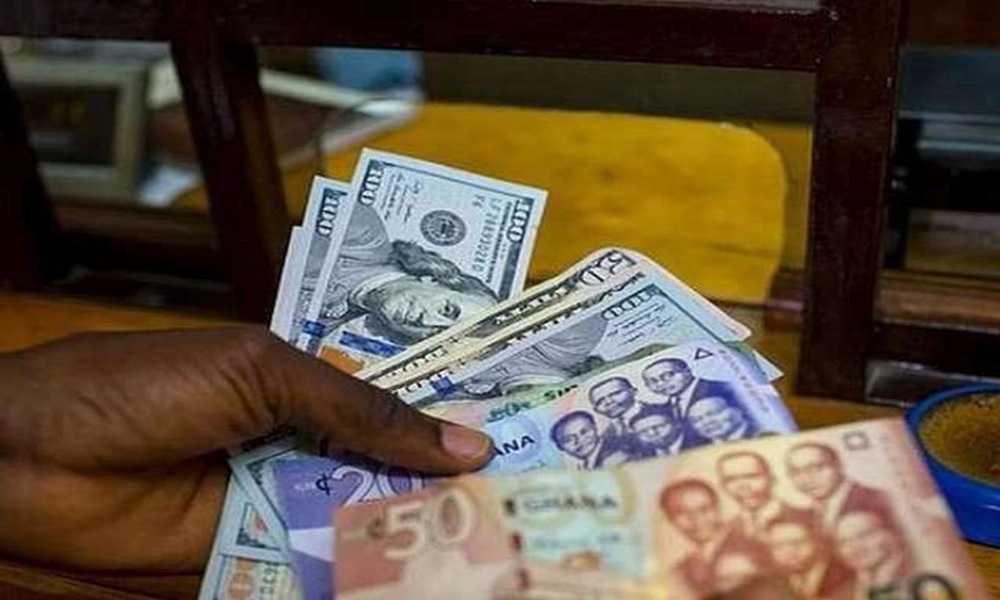
If you’ve checked currency rates recently hoping for a break, I have some mixed news for you. The local currency continues to dance to two totally different tunes depending on where you look!
The Cedi sells at GHS12.15 on forex market, GHS11.46 on BoG interbank, creating a noticeable gap between official central bank rates and real-world retail pricing. Commercial banks and licensed forex bureaus currently charge higher premiums to meet soaring corporate and retail import demand.
Ever wondered why official bank rates sound so attractive while your local forex bureau charges you far more? IMO, seeing this spread play out every time you need dollars for international payments remains one of the most frustrating parts of modern business!
The Dual-Rate Reality: Interbank vs Forex Bureaus
Understanding how these foreign exchange markets operate helps explain why two distinct prices exist simultaneously across Ghana’s financial sector.
The Bank of Ghana (BoG) sets its weighted median interbank rate based on direct wholesale transactions between commercial banks. However, retail forex bureaus and commercial counters factor in liquidity constraints, operational costs, and immediate market demand when selling dollars to everyday walk-in customers.
Key Exchange Rate Comparisons
-
Bank of Ghana Interbank Rate: Sells officially at GHS11.46 per US Dollar for commercial banking transactions.
-
Retail Forex Bureau Market: Sells at GHS12.15 per US Dollar for cash and retail transactions.
-
Market Spread: Creates a GHS0.69 difference per dollar between official benchmark data and retail counters.
-
Impact on Traders: Drives up overall import costs for small business owners buying inventory overseas.
I remember heading down to a local forex bureau last month expecting to pay close to the published news rate, only to realize the real-time cash price ran much higher. Knowing the difference between interbank reference rates and actual bureau counters saves you from major budgeting surprises.
What Drivers Push the Retail Market Gap?
Why doesn’t the retail forex market simply match the central bank’s interbank rate? Several economic pressure points continuously pull the retail rate upward.
Importers, traders, and individual travelers constantly search for immediate liquidity, forcing retail bureaus to compete aggressively for available foreign currency reserves.
  Commercial Dollar Demand  ---> [ Forex Bureau Liquidity Shortfall ] ---> GHS12.15 Retail Market Rate
(High Import Order Volume)          (Limited Cash Reserves)               (GHS0.69 Interbank Spread)
-
High Seasonal Import Demand: Traders stack up foreign currency early to secure shipments for late-year retail demand.
-
Speculative Pressure: Fear of sudden depreciation drives buyers to secure cash dollars early at higher rates.
-
Liquidity Tightness: Commercial banks prioritize critical sovereign transactions, leaving smaller importers relying on open retail bureaus.
FYI, expecting retail bureaus to sell at official interbank benchmarks without enough foreign reserve supply is like asking a local shopkeeper to sell goods at wholesale cost!
Managing Your Personal Currency Purchases
With exchange rates fluctuating daily across different platforms, smart planning becomes vital for protecting your hard-earned cash. Always check multiple commercial bank boards and licensed forex bureaus before locking in any major foreign currency purchase.
Also Read: GRA serve -audit notice on lawyer Jonathan Aluas firm