

 By Aaron Hammond
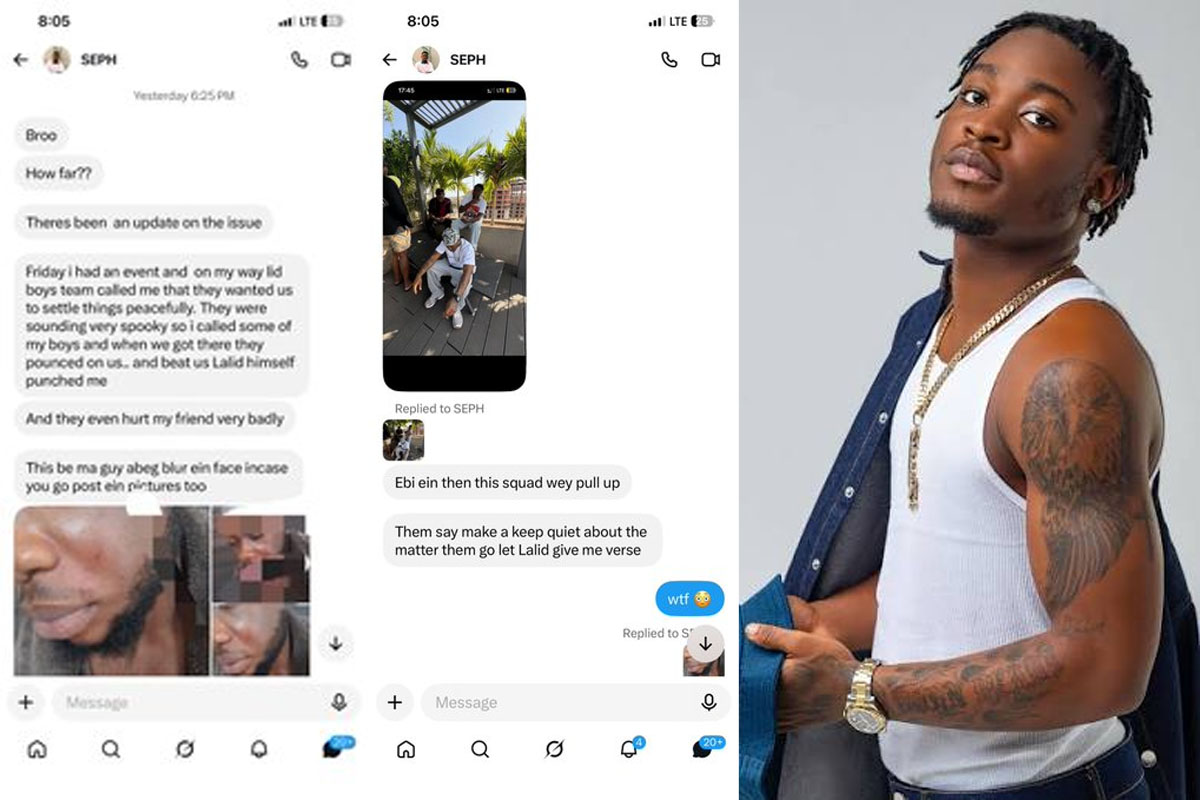
Ghanaian musician Lalid has come under criticism following allegations that he used another artiste’s cover artwork without permission and later became involved in a physical attack on the creator.
The controversy gained attention on social media on October 19, 2026, as users called for the Ghana Police Service to investigate the claims. The allegations have sparked a wider discussion about copyright protection, respect for upcoming artistes and how musicians handle disagreements. However, the claims remain unverified, and the public should not treat social media posts as proof of guilt. Lalid and the other people involved deserve a fair opportunity to respond while the facts are established.


How the Lalid Artwork Controversy Started
According to claims circulating online, the dispute began when an upcoming independent artiste allegedly accused Lalid of using their cover artwork to promote his music without permission. Cover art plays an important role in music promotion because it helps an artiste build a recognisable identity and attract listeners. For an upcoming musician working with limited resources, seeing their creative work used without consent can be frustrating. The situation reportedly became more serious when the complainant alleged that Lalid and some associates physically attacked them after they raised the issue. These claims have fuelled anger online, but independent confirmation from the police or other reliable sources is needed before the details can be treated as established facts.
Why Fans Are Calling for Police Action
The alleged assault has shifted attention beyond the original copyright dispute. Some social media users have criticised the reported conduct and urged the Ghana Police Service to investigate. Their concern is that a disagreement over creative ownership should not lead to threats or physical violence. If someone believes another person has copied their artwork, they can preserve the original design files, publication dates, messages and any agreements that show who created the work. They can then seek legal advice or report the matter through the appropriate channels. Ghana’s Copyright Act, 2005 (Act 690), provides a legal framework for protecting creative works. Any allegation of assault should also be investigated separately, with evidence and responses from all parties considered.
The Lalid controversy highlights the need for clearer agreements between musicians, designers and music promoters. Before using artwork, artistes should confirm who owns it, obtain the necessary permission and agree on payment or credit where applicable. These simple steps can prevent disputes that damage reputations and waste valuable time. For now, the allegations against Lalid remain claims rather than proven findings. A response from the musician, the complainant or the Ghana Police Service would help clarify what happened. Until then, responsible reporting means avoiding online verdicts and allowing verified evidence to guide the discussion. Protecting creative rights matters, and so does ensuring that accusations receive a fair and proper investigation.
Also read: Shatta Wale’s Message To Fans And All