

 By Zobia Zulfqar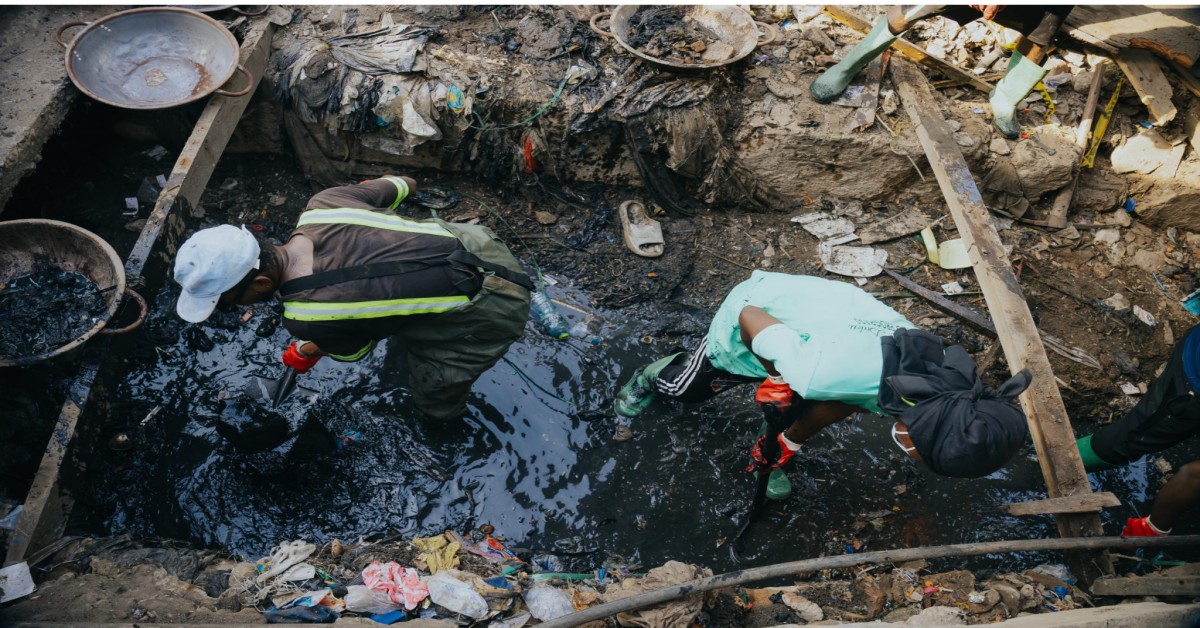
If you are from West Africa, chances are you did not simply read the phrase “Water No Get Enemy.” That lesson has become especially relevant during Ghana’s rainy season, when flooding often disrupts communities, damages businesses and threatens lives. For years, one location frequently associated with severe flooding was Kantamanto Market in Accra. Heavy rains regularly left traders counting losses as floodwaters submerged shops, destroyed merchandise and interrupted commercial activity. This year, however, the story has been different.
Many residents have asked why Kantamanto did not experience the devastating floods that had become almost expected whenever heavy rains fell. The answer lies in months of deliberate planning, engineering work and continuous maintenance that focused on improving drainage systems before the rainy season intensified.
Kantamanto is one of the largest second hand clothing markets in the world, supporting thousands of traders, retailers, transport operators and artisans whose livelihoods depend on daily business activity. With narrow pathways, densely packed stalls and constant human movement, even a short period of flooding has traditionally caused widespread disruption. Water could accumulate within minutes, forcing traders to abandon their goods while customers stayed away until conditions improved.
This year’s experience demonstrated that flooding is not always unavoidable. Instead of relying on emergency responses after storms, authorities and engineers concentrated on preventive measures that addressed the underlying causes of flooding. Drains were cleared, blocked waterways were opened and accumulated waste and sediment were removed to improve the free flow of stormwater through the drainage network.
The improvements were not immediately visible to many residents because much of the work took place beneath streets, inside drainage channels and in locations rarely noticed by the public. Yet these behind the scenes efforts proved essential once the rains arrived. Water that previously overflowed into surrounding streets and businesses was able to move more efficiently through the drainage system, significantly reducing the risk of widespread flooding.
The experience also highlights the importance of understanding water itself. Water possesses remarkable characteristics that make life possible. It regulates temperatures, transports nutrients, supports agriculture and sustains ecosystems across the planet. At the same time, it naturally follows the easiest available path. When drains become blocked by rubbish or construction narrows waterways, water simply seeks another route, often through roads, homes and marketplaces.
Urban flooding is therefore rarely caused by rainfall alone. Human activities frequently make the problem worse. Illegal construction along waterways, poor waste disposal practices and inadequate maintenance of drainage infrastructure reduce the capacity of cities to handle heavy rainfall. As urban populations continue to grow, addressing these challenges requires consistent investment rather than temporary interventions.
The improvements witnessed in Kantamanto illustrate how infrastructure maintenance can produce meaningful results when carried out before disasters occur. Preventive work often attracts less public attention than emergency rescue operations because successful prevention means little dramatic evidence remains after a storm. Yet avoiding damage is far less costly than rebuilding communities after floods have already caused destruction.
The outcome also serves as an important reminder that flood resilience depends on cooperation between government agencies, engineers, businesses and ordinary citizens. Authorities may expand drainage systems and remove obstructions, but those gains can quickly disappear if drains become clogged with plastic waste or if structures are erected within waterways. Public awareness and responsible environmental practices remain essential parts of long term flood management.
As climate change increases the frequency and intensity of extreme weather events across many regions, cities must adapt by strengthening infrastructure and improving urban planning. Investments in drainage maintenance, environmental protection and flood prevention will become increasingly important for protecting both lives and economic activity.
The experience at Kantamanto offers an encouraging example of what careful planning and sustained effort can achieve. Rather than accepting annual flooding as inevitable, the successful reduction of flood risk demonstrates that practical engineering solutions, combined with responsible environmental management, can make a measurable difference. It reinforces the timeless wisdom behind the proverb “Water No Get Enemy.” Water remains essential to life, but it commands respect. When people understand its nature and prepare accordingly, communities become safer, businesses remain productive and cities are better equipped to withstand the challenges of every rainy season.
Also Read: Cabinet Approves Major Mining Law Reforms to Strengthen Sector Governance